
Water Pollution Increases Quietly Through Everyday Cleaning Choices

Last modified on: 27/11/2025
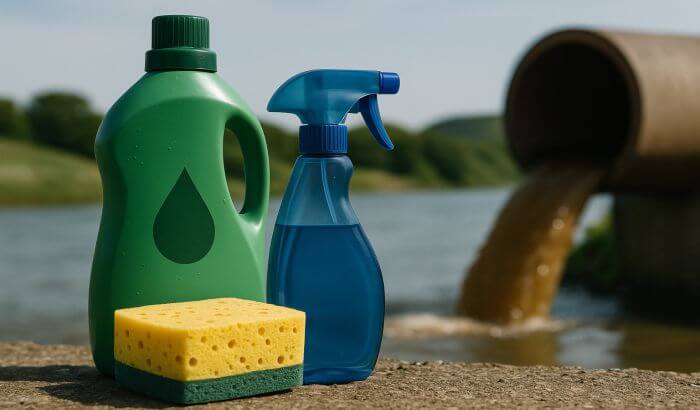
Most households never realise how quickly water pollution rises from simple habits – a splash more detergent here, a stronger spray there, or one extra rinse to “make sure it’s clean”. Each tiny choice looks harmless, yet together they push far more chemicals into the water system than people expect. Once you see where the hidden overload comes from, you can keep your home clean without sending unnecessary strain through the drains.
Key takeaways:
- Catch the small cleaning habits that quietly raise chemical runoff
- Make simple product swaps that lower water pollution without extra work
- Avoid the everyday mistake that sends strong agents straight into the wastewater stream
- Stop hard-water areas from pushing you toward harsher cleaners over time
- Use planned cleaning bursts to control chemical load instead of scattering it across the week
In this article:
- Key takeaways:
- Assess Cleaning Products That Lower Pollutant Load
- Identify cleaners with biodegradable ingredients
- Read labels for phosphates, ammonia and strong fragrances
- Match product type to room size and ventilation
- Apply Low-Water Methods For Daily Cleaning
- Use microfibre systems to cut down rinsing
- Switch to steam on tiles and hard floors where suitable
- Control tap flow and bucket changes during routine tasks
- Cleaning methods by water and chemical use
- Manage Wastewater And Leftover Solutions Safely
- Separate dirty cleaning solutions from light rinse water
- Pre dilute strong agents before they reach sinks and drains
- Hold leftover chemicals for collection or controlled disposal
- Plan Deep Cleaning Tasks To Limit Chemical Discharge
- Target the jobs that create the heaviest chemical load
- Schedule fewer, well planned deep cleans in hard-water areas
- Use professional teams for concentrated products in tight spaces
- Strengthen Long-Term Habits That Cut Water Pollution
- Store and label liquids safely in limited cupboard space
- Use refillable bottles instead of many half-used containers
- Review and rotate supplies every 3-6 months
- Practical Wrap-Up
- FAQ
- How often should I check drains to keep chemical load down?
- How can I tell if my detergent mix is too strong for daily use?
- Do eco friendly cleaning products always reduce water pollution?
- What should I do with leftover strong cleaners after a heavy job?
- What is a simple way to lower wastewater impact in a small bathroom?
- Does steam cleaning help reduce chemical load?
Assess Cleaning Products That Lower Pollutant Load
Every bottle you bring into a flat eventually reaches the drains in some form, so product choice decides how aggressive the wastewater will be. In tight London bathrooms and kitchens, the wrong detergent leaves films, harsh odours and extra residue that sits in traps and pipework long after the job looks finished.
Identify cleaners with biodegradable ingredients
Start by favouring products that break down quickly once they leave the sink. On the back label, look for phrases such as “readily biodegradable” and check whether the main surfactants are plant-derived or based on simple acids like citric. Check whether the main active ingredients break down by about 60 percent within 28 days under standard OECD tests. Manufacturers often list this in fine print on the label.
Shorter ingredient lists generally mean fewer persistent compounds heading into the wastewater stream. When you test a new product on routine kitchen worktops or bathroom fixtures, watch how it rinses off. If a light pass with clean water removes the film in one go and the odour fades within a few minutes, the blend is usually kinder to drains than a heavy synthetic formula that clings and needs repeated flushing.
Read labels for phosphates, ammonia and strong fragrances
High phosphate content, heavy ammonia and dense synthetic fragrance tend to linger in household plumbing and in local treatment systems. On detergents and bathroom cleaners, scan the composition line for phosphate builders or strong ammonia bases and keep those for rare, targeted jobs rather than weekly use. Strong fragrance often hints at a higher solvent load, which sticks to tiles and fittings, especially where hard-water limescale is already present.
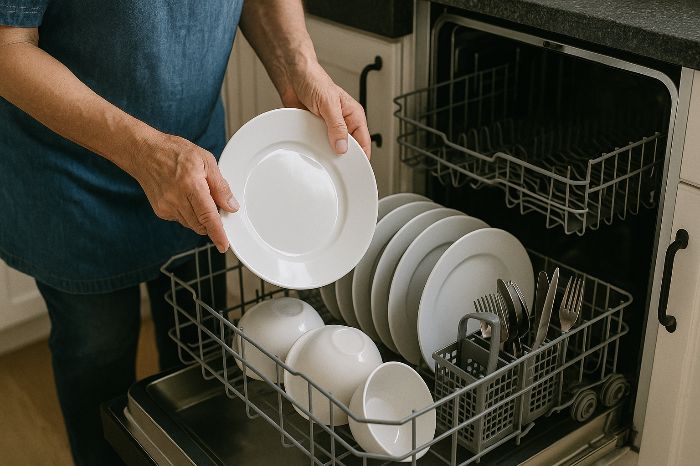
During regular work, build a habit of checking plugholes and overflows once a month. Rainbow films, sharp chemical odour or tacky deposits around the metal parts show that the product strength is out of balance for the size and ventilation of the room. When you see any of those markers, step down to a milder line or reduce usage frequency so less aggressive water enters the system each week.
Match product type to room size and ventilation
Product strength must match the room, not the label claims alone. In bathrooms or kitchens under 6-8 square metres, concentrated sprays and thick gels need more care, because vapour and residue have less space to disperse. In windowless rooms or where the only airflow is from an extractor fan, neutral or mildly acidic liquids are usually safer choices than heavy solvent-based cleaners.
Think in terms of exposure time. If the product smell hangs in the air for more than 10-15 minutes after you finish, the room is overloaded. In those cases, switch to lower-fragrance lines or diluted concentrates applied with a cloth rather than direct spray. That adjustment reduces both airborne load for the user and chemical volume heading into the drains at rinse time.
Quick label checks for lower-impact products:
- Prefer “readily biodegradable” over generic “eco” claims.
- Avoid heavy phosphates and strong ammonia for weekly use.
- Choose lighter fragrance profiles in small or windowless rooms.
- Match product concentration to room size and ventilation level.
Smarter product selection keeps the harsher chemistry for the rare jobs where it is truly needed, which makes it easier to book deep cleaning in London when controlled use of stronger agents and managed wastewater really pays off.
Need Deep Cleaning service?
Enter your postcode to view our rates and availability in your area.

Apply Low-Water Methods For Daily Cleaning
Daily routines can cut chemical discharge sharply when water use is controlled with the right tools. Smaller London flats benefit most from these adjustments because every extra bucket or rinse cycle sends more concentrated detergent through tight plumbing.
Use microfibre systems to cut down rinsing
Microfibre pads trap fine debris through fibre density rather than heavy product loading, which allows you to clean larger areas with a smaller charge of solution. A well-primed pad should cover 6-10 square metres before it needs refreshing; if streaking appears earlier, reduce product strength or switch to a higher-GSM pad.
For bathrooms and kitchens, fold the pad into quarters and rotate sides so each face meets the surface clean. This limits how often you return to the sink and keeps the wastewater volume low. Watch for dulling on glossy tiles; that usually means the pad is oversaturated rather than worn out.
Switch to steam on tiles and hard floors where suitable
Steam units help reduce detergent use on surfaces dominated by limescale and film. A compact steamer with a controlled 100-120°C output and cotton bonnet is safe on ceramic, porcelain and sealed laminate. For limescale around taps and shower screens, a short 5-8 second dwell softens the layer enough for a light pass with a cloth rather than a chemical soak.
Avoid steam on unsealed wood or natural stone because moisture can penetrate and mark the material. When used correctly, steam cuts down detergent demand across the week and reduces the number of rinse cycles that feed stronger wastewater into drains.
Control tap flow and bucket changes during routine tasks
Tap control is one of the quickest ways to lower wastewater volume. For kitchen counters and appliance fronts, a trigger spray with a 1:20 or milder dilution gives enough coverage without running taps. In bathrooms, aim to keep bucket changes to two rounds for a standard flat; more than that usually indicates product overuse or excessive dwell times.
Pro tip – monitor the rinse colour. If the water darkens too quickly, adjust the pad rotation or pre-wipe surfaces to keep the bucket from loading up too fast.
Cleaning methods by water and chemical use
| Method | Typical water use per room | Detergent need | Best suited surfaces |
|---|---|---|---|
| Microfibre mop | Low | Low-mod | Tiles, laminate, vinyl |
| Steam cleaner | Very low | None-low | Ceramic, porcelain |
| Trigger-spray wipe | Very low | Low | Counters, appliance exteriors |
| Traditional mop | High | Mod-high | Larger open areas |
A short observation after using any of these tools helps guide future choices; streaking, hazing or lingering tackiness usually means a method is pushing too much product for the surface. Well-chosen routines keep wastewater lighter and make later heavy-duty work easier to manage.
Manage Wastewater And Leftover Solutions Safely
Poor handling of strong mixtures creates heavy wastewater that lingers in traps and builds residue in tight plumbing. A small flat makes the effects more obvious, with odour spikes and films around plugholes when mixtures are not managed correctly.
Separate dirty cleaning solutions from light rinse water
Strong mixtures should be collected in one container rather than spread across multiple sink flushes. This keeps the highest chemical load in one place and stops it from entering drains in stages, which often causes staining around plugholes. When lifting a bucket after floor work, note the colour shift; a darker tone means it should be set aside rather than tipped into kitchen or bathroom plumbing.
A single sealed container also prevents splashback inside under-sink units, where older pipe joints react badly to concentrated chemicals. Keeping the strongest batch isolated makes pipe checks quicker and keeps the wastewater output more predictable.
Pre dilute strong agents before they reach sinks and drains
Heavy-duty agents behave differently once they meet warm water from taps. A controlled 1:10 or 1:20 dilution in a separate jug lowers the concentration enough to avoid sudden reactions in traps. This is safer for metal fittings, as unbuffered strong agents often leave rainbow films or produce sharp odours that linger for hours.
Check the surface type before any dilution step. If you used a product on grout or limescale patches, the leftover mix will be more reactive than the original solution because it carries minerals and debris. A quick swirl in cold water reduces that reactivity and keeps the wastewater load down.
Hold leftover chemicals for collection or controlled disposal
Many households tip old products straight into the sink, which puts dense mixtures into pipework that cannot carry them safely. Seal unwanted liquids in their original containers and mark the cap with tape so nobody mistakes them for usable stock. Keep them in a cool cupboard until the next local collection or until they can be taken to a designated disposal point.
Odour rising from the trap after using strong products is a clear sign that disposal habits need a check. When that happens, pause use for a few days and track whether the smell fades; if it does, batch disposal was likely the issue. Holding leftovers rather than flushing them reduces strain on small plumbing systems and helps avoid repeated pipe cleaning.
Quick handling habits that limit wastewater load:
- Collect strong mixtures in one sealed container.
- Use controlled dilution before any drain contact.
- Keep old liquids marked and stored for safe removal.
- Watch for odour spikes or films as early warning signs.
Proper wastewater handling keeps the heavy chemistry grouped and predictable, which makes it easier to bring in deep cleaning teams for the toughest tasks when controlled chemical use is needed.
Plan Deep Cleaning Tasks To Limit Chemical Discharge
Heavy build-up in kitchens and bathrooms calls for stronger agents, and that load becomes unpredictable when tough jobs are scattered through the month. Grouping them into planned sessions keeps the chemistry controlled and reduces the amount of harsh wastewater entering small plumbing systems.
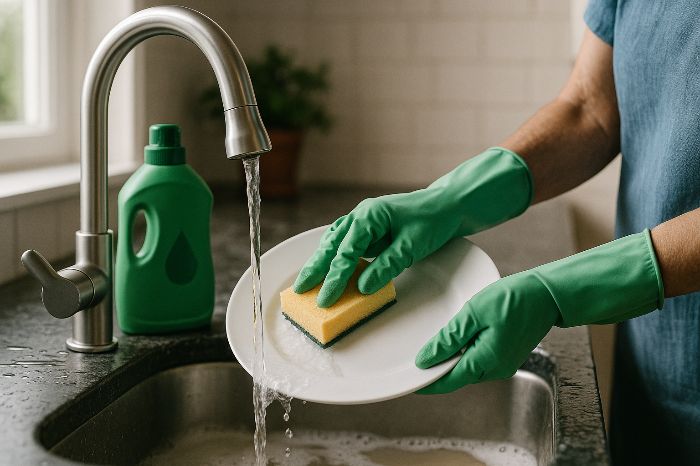
Target the jobs that create the heaviest chemical load
Some surfaces need more aggressive treatment because deposits attach firmly to metal, enamel or grout. Thick limescale on taps, ingrained grease inside oven cavities and stained grout lines demand higher-strength agents to break the bond. When those tasks are handled together, the total amount of concentrated wastewater is easier to contain and less likely to cause films around plugholes.
Check surfaces before each session. If limescale scratches under a fingernail or grease smears instead of lifting, the deposit requires a targeted product rather than repeated mild applications that only multiply rinse cycles.
Schedule fewer, well planned deep cleans in hard-water areas
Hard-water patches in London accelerate scale formation on taps, shower heads and tile edges. A deep clean every 2-3 months stabilises those surfaces so mild products work better between visits. When the intervals stretch too long, cleaners rely on repeated spot treatments that create unpredictable wastewater loads.
Plan sessions for cooler parts of the day in small bathrooms where steam gathers quickly. Better ventilation helps reduce the airborne load when strong agents activate, and rinse cycles stay within a manageable range.
Use professional teams for concentrated products in tight spaces
Strong agents behave differently in compact kitchens and small wet rooms where vapour and residue settle quickly. Professional teams carry pads, sprayers and neutralisers that handle high-strength products without pushing them into drains in unstable form. For oven interiors, descaling corners or deep grout recovery, controlled application avoids over-dwell and keeps the discharge balanced.
Pro tip – watch how fast the surface clears. If the product lifts deposits within a few minutes, the chemistry was suitable. If it needs repeated passes, the mix is too weak or the contact time was out of balance for the surface type.
Planning patterns that reduce chemical discharge:
- Group heavy tasks into one deep cleaning session.
- Refresh limescale-prone areas every 2-3 months.
- Keep tight spaces well ventilated during strong treatments.
- Use trained teams for oven cavities and dense scale patches.
A planned approach limits the volume and strength of harsh mixtures entering drains, and it is often easier to book deep cleaning in London when the toughest tasks need controlled handling.
You may also enjoy:

Strengthen Long-Term Habits That Cut Water Pollution
Long-term control of wastewater load depends on how cleaning supplies are stored, rotated and used across the year. Small storage areas in London homes magnify every mistake, because leaks and expired liquids concentrate chemicals before they ever reach the drain.
Store and label liquids safely in limited cupboard space
Bottles kept in tight under-sink cupboards often sit near warm pipes or waste outlets, which speeds up cap crusting and small leaks. Keep containers upright and spaced apart so labels stay readable and you can see early signs of residue on shelves. Mark bottles that look similar, especially clear or lightly tinted liquids, to prevent accidental overuse of strong products.
When you clean under the sink each month, check for tacky rings or dried drops around caps. Those signs indicate that the product is starting to destabilise, and early action prevents concentrated liquids from seeping into the base of the cupboard and later entering the drain during wipe-down.
Use refillable bottles instead of many half-used containers
Households often build up clusters of half-full bottles that eventually get tipped away. Switching to refillable bottles helps manage volume and keeps only one active product type on the go. When topping up, pour slowly and avoid shaking the container, as trapped air accelerates separation in some formulations.
Keep a single refill jar for each product category. A controlled system like that reduces the chance of mixing incompatible residues or creating unexpected reactions when you rinse tools in the sink.
Review and rotate supplies every 3-6 months
A rotation habit makes the entire setup more predictable. Check dates, viscosity and scent changes every 3-6 months to catch degrading products before they become a disposal problem. If a liquid thickens, separates or leaves unusual film on the cap, retire it. Older stock should be placed at the front so it is used first, which prevents forgotten bottles from ending up in the drain.
Pro tip – take a quick photo of your cupboard after each rotation. A visual record helps track which product types pile up fastest and which should be bought in smaller quantities.
When you rotate supplies, focus on the points that help keep wastewater levels stable:
- Look for cap crusting or scent shifts when sorting supplies.
- Prioritise older stock by moving it forward.
- Retire products that thicken or separate.
- Keep a refill system for consistent volume control.
A tidy, predictable supply setup keeps accidental discharges low and makes it easier to maintain balanced routines between occasional deep cleaning sessions.
Practical Wrap-Up
Strong control over polluted wastewater comes from the way you organise your routine, not from switching one product for another. Treat water impact as another point in your personal checklist. Pay attention to how much solution you mix, how fast the bucket darkens and whether the plumbing reacts with odour or film. If you spend a noticeable part of your cleaning time on heavy descaling or degreasing in a small flat, the chemical load is running high and the next round should be planned with that in mind.
Build a simple rhythm that fits London conditions. In bathrooms with hard water, check plugs and overflow covers once a week and treat recurring films or sharp odours as a sign to adjust your routine. Keep tougher jobs for set days in the month so you can batch them and manage the wastewater more predictably. When strong smells rise from drains after cleaning, the product strength is usually too high or the disposal pattern needs tightening.
When you are building a new routine, use one simple rule: each cleaning session should keep chemical use steady or bring it down. That means choosing the least aggressive product that clears deposits within a reasonable dwell time, keeping water use tight, and logging any surface that still needs heavy treatment after two visits in a row. When those log entries start to build up, it is time to book deep cleaning in London so the toughest build-up is handled in one planned session under proper control.
- Track bucket changes and drain condition on every cleaning
- Batch stronger tasks into planned sessions, not ad hoc
- Flag repeat odour or film as a service-level issue
- Step product strength down once build-up is under control
- Review each flat’s pattern every few months and adjust
FAQ
-
How often should I check drains to keep chemical load down?
A quick look every week is enough. If you see oily film, sharp smell after cleaning or slow flow, reduce product strength on the next round and shorten dwell times. Persistent changes after 2-3 weeks usually mean the room needs a reset with lighter mixes and tighter dilution.
-
How can I tell if my detergent mix is too strong for daily use?
When floors dry tacky or pads foam more than usual, the mix is too strong. If the rinse water stays cloudy after a small area, that confirms overdosing. Cut the dose by a third on the next clean and check whether the surface clears with less residue.
-
Do eco friendly cleaning products always reduce water pollution?
They help only when used at sensible strength. A mild formula poured too heavily still pushes unnecessary chemicals into drains. Look for biodegradable ingredients, lighter fragrance and clear rinse behaviour instead of relying on the front label alone.
-
What should I do with leftover strong cleaners after a heavy job?
Keep them sealed in their original container and store them away from warm pipes until you can take them to a proper disposal point. Do not pour strong leftovers straight into the sink or toilet; dilute them in a separate bucket first so they do not react in the trap.
-
What is a simple way to lower wastewater impact in a small bathroom?
Limit strong agents to set tasks such as limescale patches and keep everything else on mild cleaners. Stick to two buckets for the whole room; if you need more, reduce detergent dose. Watch how quickly the rinse water clears and adjust strength accordingly.
-
Does steam cleaning help reduce chemical load?
Yes, when used on suitable surfaces like ceramic or porcelain. Steam loosens film and scale without detergents, which lowers the amount of product entering drains. Avoid steam on natural stone or unsealed wood, as moisture can mark the surface.
Author: Svetlana Georgieva (Clara)
Hi, I’m Svetlana Georgieva, but you can call me Clara. As the co-founder and heart behind Samyx Cleaning, I’m devoted to sharing the art of a clean space. Let’s journey into a cleaner, more joyful life together with tips from London's cleaning experts.

Discover more of our cleaning secrets: