
10 Natural Homemade Cleaning Solutions That Really Work

Last modified on: 04/09/2026
Publish: 19th Apr 2023
Views:
Category: DIY
Tags:
Baking soda, Cleaning tips, Eco-friendly cleaning, Homemade, White vinegar

Homemade bathroom cleaner works best when the recipe matches both the surface and the soil. Use mild soapy water for routine grime, reserve acidic ingredients for compatible mineral deposits, and keep abrasives away from delicate finishes.
Key takeaways
- No single homemade mixture suits every bathroom surface.
- Vinegar can help with compatible mineral deposits but may etch stone and damage finishes.
- Bicarbonate adds mild abrasion; fizzing with an acid does not make a disinfectant.
- Essential oils add fragrance, not proven cleaning or disinfection.
- Labels, care instructions, rinsing and drying take priority over a general recipe.
Table of Contents
The internet is full of natural homemade cleaning solution recipes. The only problem is many of them don’t really work. Despite all the variety, you’re stuck using the storebought stuff even though you want a green way to keep your home clean. This is what I’m here to fix.
When it comes to homemade or natural cleaning solutions, the most simple and straightforward recipes are the best. All you need to keep your place fresh and clean are a few key ingredients. Here are 10 natural homemade cleaner recipes that actually work.
Choose a homemade bathroom cleaner by surface
| Bathroom surface | Safer first choice | What changes the method |
|---|---|---|
| Glazed ceramic or porcelain | Warm water and mild washing-up liquid | Check grout, decorative coatings and damaged glaze separately |
| Glass and mirrors | Water with a lint-free microfibre cloth | Keep liquid away from mirror edges, frames and electrics |
| Acrylic or fibreglass bath | Diluted mild detergent and a soft cloth | Abrasive powders can dull or scratch the finish |
| Natural stone | A pH-neutral stone cleaner | Vinegar and lemon can etch calcite-bearing stone |
| Chrome, brass or coated fittings | Warm soapy water, then dry | Acid soaking and abrasives may alter the finish |
| Toilet bowl | Choose for the actual soil | Limescale, organic soil and disinfection are different jobs |
Patch-test when the finish is uncertain. Stop if colour, gloss or texture changes.
Plan Regular Domestic Cleaning
Enter your postcode to view our rates and availability in your area.

All-purpose cleaner
Ingredients:
- 2 cups of water
- 1/2 cup of white vinegar
- 1/4 cup of lemon rind, grated
- 1 tablespoon of fresh rosemary, chopped
The scent of freshly grated lemon rind and chopped rosemary infused in boiling water is enough to make any green cleaning enthusiast weak in the knees.
Add a healthy splash of white vinegar to the mix, and you’ve got yourself an awesome homemade all-purpose cleaner.
Don’t be afraid to get a little wild and spray it on most surfaces that need a good scrub. Just be sure to read the side note below before you do.
Note: You can store this cleaner in a sealed container in the refrigerator for up to a week. It will lose the scent after that, so don’t go crazy with the quantities.
Side note: Don’t use this homemade all-purpose cleaner on granite, waxed wood, or certain metals. It’s always best to test it on a small, inconspicuous area before you go all out.
Current surface note: Granite and engineered stone vary by resin and sealer. Treat vinegar as unsuitable unless the care instructions for that exact surface permit it.
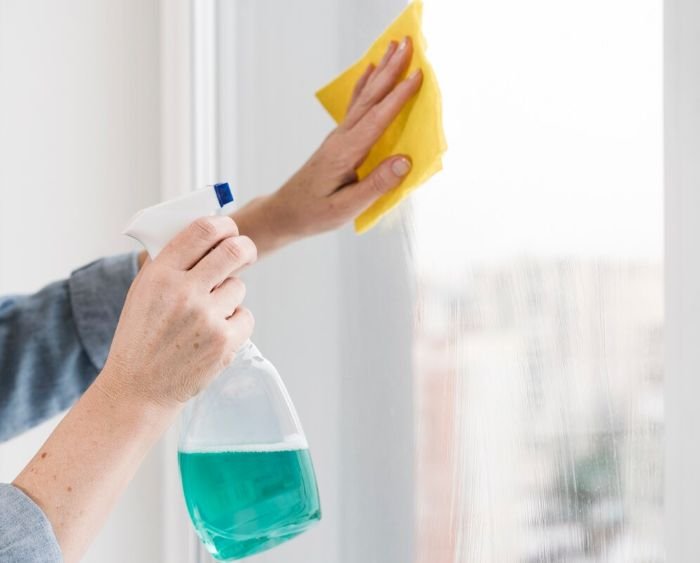
Window cleaner
Ingredients:
- 2 cups of water
- 1/2 cup of white vinegar
- 1/4 cup of rubbing alcohol
- Optional: a few drops of essential oil for fragrance
If you thought the all-purpose cleaner was a game-changer, wait until you try this bad boy. Combine water, white vinegar, and rubbing alcohol in a spray bottle and add a few drops of essential oil to tie it all together. It’s like a party in a bottle, and it’ll leave your windows looking sparkly clean.
Wood cleaner
Ingredients:
- 1/4 cup of olive oil
- 1/4 cup of white vinegar
- Optional: a few drops of essential oil for fragrance
Wood tends to lose its lustre in time. You want to treat it right if you want to breathe new life into it. Look no further than this simple and effective solution made with olive oil, white vinegar, and a touch of essential oil for good measure.
The result is a clean, polished, and fresh-smelling wooden surface that’ll have you wondering why you ever bothered with those expensive, chemical-laden wood cleaners in the first place.
Current finish note: Use this only where the furniture or flooring maker permits oil and acid. It is not a default method for sealed, waxed, painted or unfinished wood.
Toilet cleaner
Ingredients:
- 1/2 cup of baking soda
- 1/4 cup of lemon juice acid
- 1/4 cup of cornstarch
- 10-15 drops of essential oil for fragrance
Let’s face it, cleaning your toilet is never going to be fun. But this homemade toilet cleaner might just make the task a little less unbearable.
A mix of baking soda, citric acid, cornstarch, and essential oils creates a fizzy, fragrant cleaner that’s tough on stains and odours.
Just mix everything without the lemon juice in a bowl and sprinkle it in the toilet bowl. Let it sit for a few minutes and pour the lemon juice. Once the mixture is done fizzing, scrub away to reveal a sparkling clean toilet.
Note: Mixing the baking soda and lemon juice in the bowl before applying them to the toilet is pointless. You want the fizzing reaction on the toilet bowl. Otherwise, you’re wasting your time. It’s like mixing baking soda and white vinegar.
Current chemistry note: The fizz may shift loose residue, but the acid and alkali consume much of each other. It is not disinfection. Never add bleach or another cleaner.
You may also enjoy:
Dish soap
Ingredients:
- 1 cup of liquid castile soap
- 1/4 cup of white vinegar
- 1 tablespoon of baking soda
- Optional: a few drops of essential oil for fragrance
When it comes to dish soap, sometimes less is more. This homemade version made with liquid castile soap, white vinegar, baking soda, and essential oils is simple, effective, and won’t leave any harmful residue on your dishes. Plus, it smells amazing.
Current chemistry note: Do not store that combination. Acid can separate castile soap and react with bicarbonate. Use a correctly diluted soap on its own and rinse as its label directs.
Glass cleaner
Ingredients:
- 1 cup of water
- 1/4 cup of white vinegar
- 1/4 cup of rubbing alcohol
- Optional: a few drops of essential oil for fragrance
Looking for a streak-free shine on your glass surfaces? This homemade glass cleaner mix of water, white vinegar, rubbing alcohol, and essential oils will do the trick.
It’s like a white vinegar magic potion for glass, perfect for those hard-water stains in the bathroom. And it’s so easy to make, you’ll wonder why you hadn’t tried this ages ago.
Shower cleaner
Ingredients:
- 1 cup of white vinegar
- 1 cup of water
- Optional: a few drops of essential oil for fragrance
Cleaning the shower is nobody’s idea of a good time. But this homemade shower cleaner made with white vinegar, water, and a few drops of essential oil will make this chore a little less painful. Spray it on, let it sit, and rinse away for a fresh and clean shower experience.
Note: You might need to soak the shower head in undiluted vinegar for a couple of hours if things are particularly bad. No need to reach for the hard chemicals, yet.
Current fixture note: Confirm that the shower head finish and manufacturer instructions permit vinegar before soaking. Rinse fully before use.
Stainless steel cleaner
Ingredients:
- 1/4 cup of olive oil
- 1/4 cup of white vinegar
- Optional: a few drops of essential oil for fragrance
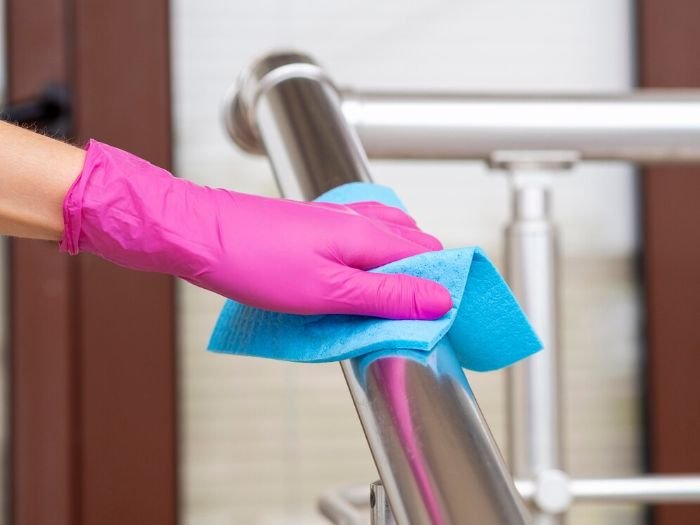
Stainless steel surfaces can have the nasty habit of losing their lustre. However, this homemade cleaner made with olive oil, white vinegar, and essential oils makes it easy to restore.
Just mix the ingredients in a spray bottle, spray it on, wipe it down, and watch the lustre return like it never left. It’s like a spa treatment for your appliances, and they’ll thank you for it.
Current appliance note: Coated and fingerprint-resistant stainless finishes vary. Check the manual first and apply any approved product to the cloth, not into seams or controls.
Carpet cleaner
Ingredients:
- 1 cup of baking soda
- 10-15 drops of essential oil for fragrance
Not all carpet stains were created equal. Sometimes you need professional hot water extraction. Sometimes all you need is some baking soda and a few drops of essential oil for a fresh scent.
This is the perfect way to freshen up and deodorise your carpet. Simply sprinkle the baking soda on, let it sit, and vacuum it up. It’s that simple. Clean carpets, just like that.
Note: If you’re dealing with tea or coffee stains on the carpet, you might need to work a bit harder to remove them.
Current carpet note: Bicarbonate can freshen some dry carpet, but it does not remove every stain. Essential oil may mark fibres or be unsuitable around some children and pets.
Floor Cleaner
Ingredients:
- 1 gallon of warm water
- 1/4 cup of white vinegar
- 1/4 cup of liquid castile soap
- Optional: a few drops of essential oil for fragrance
Mix warm water, white vinegar, and liquid castile soap (plus some essential oil if you’re feeling fancy), and you’ll have a solution that’ll make your floors shine like a brand-new penny. So roll up your sleeves, grab a mop, and let’s get to work.
Current floor note: Vinegar may damage stone and some wood finishes, while castile soap can separate in acid. Follow the floor maker’s care instructions instead of treating this as a universal mix.
When bathroom cleaning needs professional help
Recurring bathroom care may be better handled as part of regular domestic cleaning. Samyx Cleaning can clean accessible household surfaces with compatible products, while damaged stone, failing coatings, appliance faults and specialist restoration need the appropriate trade.
Important: Follow product labels and manufacturer care instructions over general recipes. Patch-test where compatibility varies, ventilate the room, wear suitable gloves, rinse and dry as required, and never mix bleach with vinegar, acids, ammonia or another cleaner. Stop if a finish discolours, dulls, etches or changes texture. Ask the manufacturer or a suitable specialist about delicate, valuable, damaged or unidentified materials.
Book Regular Domestic Cleaning
Enter your postcode to view our rates and availability in your area.
Conclusion
There you have it. 10 natural homemade cleaner recipes that really work, all made with simple ingredients that you likely already have on hand.
Not only are these cleaners effective at getting your clean and fresh, but they’re also eco-friendly and won’t harm the environment or your health as some commercial cleaners can.
So the next time you’re faced with a mess, skip the harsh chemicals and try one of these natural cleaners instead. Your home (and the planet) will thank you.
Current safety note: Homemade does not mean non-toxic or environmentally harmless. Risk depends on the ingredient, dose, ventilation, surface, storage and disposal route.

Author: Atanas Dzhingarov
Hi, I’m Atanas - brand consultant and writer. I’m helping Samyx Cleaning create the best cleaning company blog on the Internet. Join us on our journey and learn how to live a cleaner, healthier, happier life in the process.
Discover more of our cleaning secrets: