
Limescale: What It Is, How to Remove It and What Acids Can Damage

Last modified on: 21/07/2026
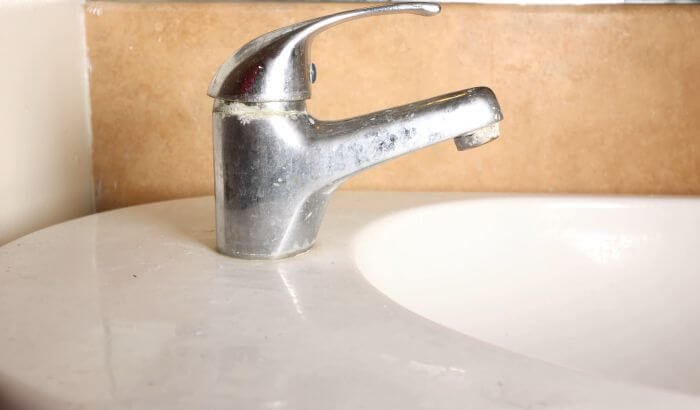
Limescale is the hard, chalky mineral deposit left when London hard water dries or is heated, and the safest way to remove it depends on the surface before the product. Mild acids such as vinegar and citric acid can dissolve mineral scale, and they can also mark natural stone, damaged plating, aluminium and some enamel or specialist finishes. Check the surface first, use short dwell times, rinse well and stop if the finish changes.
Table of Contents
What limescale is and why London homes get it
Limescale is mineral scale, mainly calcium carbonate, left behind by hard water. Water hardness comes from dissolved calcium and magnesium. UK drinking-water guidance says hard water can leave scale in kettles, hot-water systems, irons and other domestic appliances, and can leave tide marks on basins, sinks, baths and toilets.
London sits in a hard-water region, so bathroom glass, taps, shower heads, toilet bowls, kettles and kitchen fittings often show pale crusts faster than a home in a soft-water area. Heat speeds the problem up, which is why kettles, boilers and hot taps often scale before cold-water fittings.
The deposit starts as a dull film, then becomes rough enough to hold soap residue, dust and bathroom soil. Once it has a rough edge, more mineral scale catches on the same spot. That is why a tap spout or shower screen can look clean after a quick wipe, then turn cloudy again within a few days.
Where limescale causes the most trouble
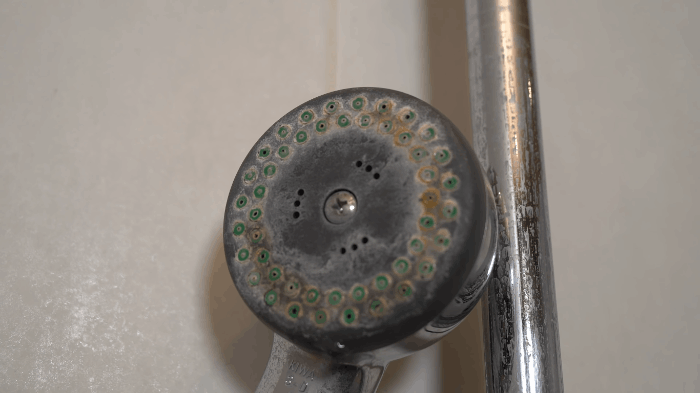
Visible limescale usually appears where water dries in place: around tap bases, shower glass, plugholes, toilet waterlines, tile edges and draining boards. Hidden scale builds where water is heated or pushed through small openings, such as kettle elements, steam irons, shower heads, washing-machine parts and coffee machines.
The visible marks are annoying. Hidden build-up can be more expensive. Scale on heating elements makes appliances work harder, and blocked shower-head holes reduce pressure. Kettle flakes are usually more of a taste and texture problem than a drinking-water danger, and they still tell you the appliance needs attention.
Bathroom fittings need the most care because the finish is often thinner than people expect. Chrome plating, black taps, brushed brass, painted fittings and coated shower screens can all react badly to long acid contact, scrubbing pads or strong descalers.
The safest way to remove limescale by surface
The safest way to remove limescale is to match the acid strength, dwell time and tool to the surface. Start with the lowest-risk method that can dissolve the deposit, then increase contact time only if the finish is known to tolerate it.
Limescale surface safety selector
Choose the surface first. Acid strength and dwell time come after the finish is known.
Chrome, plated or black taps
Use a mild descaler or diluted vinegar on a damp cloth for a short dwell time. Rinse and dry. Stop if the finish dulls, changes colour or starts to lift.
Shower glass and ceramic tiles
Use a labelled limescale remover or mild citric-acid solution, then rinse fully and squeegee dry. Keep acid away from natural stone tiles and damaged sealant.
Porcelain toilet bowls
Use a toilet-safe descaler and follow the label. Keep it inside the bowl, ventilate the room and never mix products in the water.
Kettles, coffee machines and irons
Follow the appliance manual. Use the descaler type and rinse cycle the manufacturer gives, especially around aluminium parts and specialist seals.
Natural stone and unsealed stone
Keep vinegar, lemon juice and citric acid away from marble, limestone, travertine and unsealed stone. Acid etching can need specialist refinishing.
Aluminium, enamel or unknown coatings
Test a hidden area or ask the manufacturer before using a descaler. Stop if the surface changes colour, loses shine, feels rough or sheds coating.
A tiled bathroom with surface staining may need a material-specific method before any stronger limescale product. For ceramic and porcelain stains, use the relevant surface guide before treating every mark as scale: How to Remove Stains from Ceramic and Porcelain Tiles.
Appliances need the same boundary. If a kettle, coffee machine or iron has heavy scale, the safest next move is normally the manual, the filter and the maker’s descaling cycle before any stronger home mix.
You may also enjoy:
Vinegar, citric acid or limescale remover: which should you use?
Vinegar, citric acid and many commercial limescale removers work because mineral scale reacts with acid. The difference is control. A labelled product tells you where it can be used, how long to leave it and how to rinse it. A homemade mix leaves more of that judgement to you.
Which limescale remover fits the job?
Most limescale removers work through acid. The difference is control, dwell time and surface compatibility.
White vinegar
Useful for light scale on tolerant glass, ceramic and some removable shower-head parts. Slow action, strong smell and acid risk on stone or delicate finishes.
Citric acid
Useful for kettles and bathroom scale when the item or product label allows it. Stronger mixes and long dwell times raise the damage risk.
Commercial descaler
Useful for heavier deposits and surfaces named on the label. Follow the product instructions and never mix it with bleach or other cleaners.
Bicarbonate of soda
Useful for some surrounding grime after the mineral layer has softened. It does not dissolve limescale like an acid, and hard rubbing can scratch coated finishes.
Never mix a descaler with bleach, ammonia-based products or another cleaner. If a product has already been used, rinse the area well before changing method. Open a window, wear gloves and keep cleaning products away from children and pets during dwell time.
Homemade limescale cleaner: when it helps and when to skip it
A homemade limescale cleaner can help with light mineral marks on tolerant surfaces. Vinegar or citric acid can soften the deposit so a cloth can lift it without hard scrubbing. That makes them useful on a removable shower-head face, a glass panel without a special coating, or a ceramic sink that the manufacturer allows acid on.
A homemade limescale remover should stay away from natural stone, marble, limestone, travertine, aluminium, damaged chrome, old plating, enamel with worn patches and any surface where the care label bans acids. Stone-care guidance warns that acids can etch stone, and etched areas may need professional refinishing rather than more cleaning.
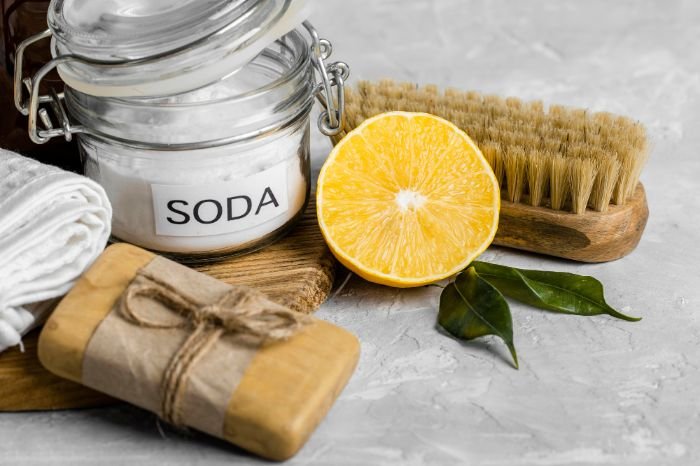
Bicarbonate of soda is often mentioned with vinegar. The fizz is weaker than people expect, and the reaction can use up some of the acid. Use acid to dissolve scale, then a soft cloth for removal. If residue remains, a gentle bicarbonate paste may help with surrounding grime. Use a light touch on coated or scratch-sensitive finishes. For a deeper look at that reaction, see Is Mixing Baking Soda and White Vinegar Effective for Cleaning?.
Abrasive pastes need the same caution as acidic liquids. They can lift residue from a hard ceramic edge, then leave fine scratches on softer plastics, sealants, acrylic baths, coated taps or polished metal. If a mark needs pressure to move, pause before adding more force. The safer route is usually more soak time with a compatible descaler, a softer cloth, or a material-specific method. For a wider safety boundary, keep these surfaces away from baking soda.
How to stop limescale coming back so quickly
Limescale comes back when hard water is left to dry. Prevention is mostly about removing water before it turns into a mineral edge. In a London bathroom, that small habit changes how often heavy descaling is needed.
- Dry tap bases, shower glass and draining boards after heavy use.
- Squeegee shower glass before water droplets dry into cloudy marks.
- Descale shower heads and kettle filters lightly before holes block or flakes appear.
- Use appliance descaling cycles at the interval given in the manual.
- Keep bathrooms ventilated so surfaces dry faster after showers.
- Check water-softener or filter claims carefully. Some devices reduce scale more than others, and drinking-water taps may need separate treatment.
Prevention also reduces the need for risky scrubbing. Once scale has been left for months, the deposit can bond tightly to a finish, and the temptation is to use stronger acid or a harder tool. Frequent light cleaning is usually kinder to taps, glass and appliance parts.
When limescale needs more than a quick wipe
Heavy limescale is often a sign that the whole wet area needs a deeper reset before another ten minutes with a stronger bottle. Bathrooms with cloudy screens, blocked shower-head holes, crusted tap bases, marked tiles and toilet scale usually need the job done in the right order: clear surface soil, soften scale, protect vulnerable finishes, rinse residue and dry the area so the deposit is less likely to restart straight away.
Samyx Cleaning handles limescale as part of one-off and deep cleaning in London when a home needs a fuller reset. That is useful before guests, after a busy period, before moving in, or when the bathroom and kitchen have reached the point where routine wiping no longer changes the finish. Delicate, damaged or specialist materials may still need manufacturer or specialist advice before any descaling method is used.
Need a cleaning service?
Enter your postcode to view our rates and availability in your area.

Frequently asked questions
-
Is limescale harmful to drink?
Hard water minerals such as calcium and magnesium are outside normal drinking-water danger limits in UK guidance. Scale flakes in kettles can still affect taste and show that the appliance needs descaling.
-
What dissolves limescale fastest?
Acid dissolves limescale. Commercial descalers and citric acid often work faster than vinegar. The right choice depends on the surface label, appliance manual and finish condition.
-
Is vinegar or citric acid better for limescale?
Citric acid is usually stronger and has less smell. Vinegar can help with light scale on tolerant surfaces. Both are acids, so keep them off natural stone, damaged plating, aluminium and unknown finishes unless the manufacturer allows them.
-
Can I use a homemade limescale remover on every surface?
Use homemade removers only on compatible surfaces. They usually rely on vinegar, lemon juice or citric acid, so keep them away from acid-sensitive stone, specialist coatings, damaged metal finishes and surfaces where the care instructions ban acids.
-
Does bicarbonate of soda remove limescale?
Bicarbonate of soda can help loosen some surrounding grime. It lacks the acid reaction that dissolves mineral scale. Scrubbing it too hard can mark softer or coated finishes.
Important: Limescale removers, vinegar and citric acid can damage some finishes even when they look mild. Follow the product label and the surface or appliance manufacturer’s care instructions first, test a hidden area, wear gloves, ventilate the room and rinse treated surfaces well. Never mix cleaning products. Stop if you see dulling, etching, discolouration, coating damage or a surface change, and get manufacturer or professional advice for natural stone, aluminium, damaged plating, unknown coatings or valuable fittings.
Author: Svetlana Georgieva (Clara)
Hi, I’m Svetlana Georgieva, but you can call me Clara. As the co-founder and heart behind Samyx Cleaning, I’m devoted to sharing the art of a clean space. Let’s journey into a cleaner, more joyful life together with tips from London's cleaning experts.

Discover more of our cleaning secrets: