
How to Get Stains Out of Silk Safely

Last modified on: 15/08/2026
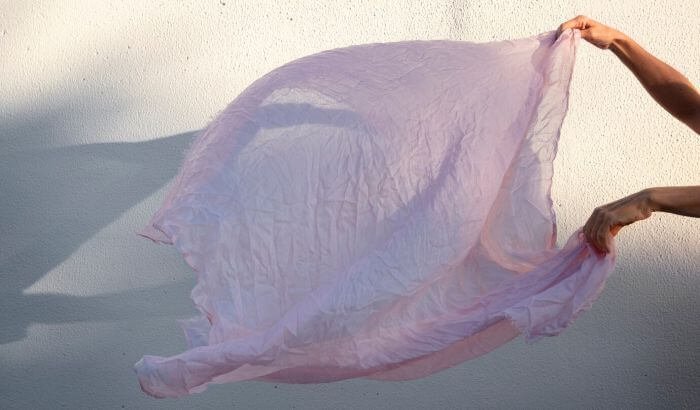
How to get stains out of silk safely starts with the care label, the dye and the construction of the item. Blot a fresh spill with a clean white cloth, keep friction and moisture low, and stop if colour transfers or the fabric changes.
A washable silk pillowcase and a structured dry-clean-only dress do not share the same treatment route. The stain also matters: clear liquid, oil, makeup, ink and perspiration behave differently, and an old mark may already include dye loss or a water ring that cleaning cannot reverse.
Protect the dye before chasing the stain
- Read the full care label. A dry-clean-only instruction, structured shape, lining, padding or decoration rules out the home wet-treatment method below.
- Lift solids and blot liquid with a clean white cloth. Work straight down from the outside edge and place a white towel behind the mark where the construction allows.
- Identify the stain before choosing a product. Oil, makeup, ink, drinks and perspiration need different first actions.
- Test the exact water or product route on a hidden area, let it dry, then check the cloth and silk for transferred dye, rings, stiffness or lost lustre.
- Stop if the label is unclear, colour moves, the mark spreads, the surface changes or the item is valuable. Use the maker or a suitable textile professional.
Key takeaways
- The care label and construction decide whether home treatment is suitable before the stain type does.
- Silk fibre and satin weave are different facts. A shiny satin item may be polyester, silk or a blend.
- Blotting controls a fresh spill; rubbing drives liquid across fibres and can leave a lighter, roughened patch.
- No vinegar, alcohol, detergent or stain remover is suitable for every silk item and every dye.
- Colour transfer, rings, stiffness, puckering and lost lustre are stop signals, not reasons to apply more product.
Table of Contents
How to get stains out of silk safely
Begin by reading every part of the care label. Look for the fibre composition, washing symbol, drying instruction and any dry-clean-only wording. A label that permits hand washing gives you a possible route, subject to a dye test. It does not mean that every stain product is compatible.
Construction changes the risk. A plain, unlined pillowcase is easier to support and rinse evenly than a tailored jacket, padded tie, pleated dress, embroidered blouse or item with bonded interfacing. Water can affect the silk, lining, adhesive, thread and shape at different rates. Treat structured pieces as professional-cleaning candidates even when a small outer area looks washable.
Confirm what the fabric actually is. Silk describes a fibre. Satin describes a weave that creates a smooth face and lustre. Polyester satin can tolerate a route that damages silk satin, and a blend follows the most restrictive fibre and trim on the label. If the label is missing, use the broader stain guide only to understand stain behaviour, then seek item-specific advice before wetting an unknown fabric.
A hidden-area test needs time to dry. Place a white cloth behind or beneath an inconspicuous seam where possible. Apply the same small amount of water or labelled product that you plan to use, with the same cloth and contact time. Blot and allow the test area to dry naturally. Look for colour on the cloth, a hard edge, altered shine, roughness, stiffness, puckering or a change in drape.
Choose the risk route before a stain product
The safest next move comes from the item, dye and construction together.
Dry-clean-only or structured
Blot fresh surface liquid without rubbing. Do not apply a wet recipe. Tell the cleaner what caused the mark and what has already touched it.
Washable and colourfast
Use the care-label route and a product labelled for that fibre and item. Treat a small area, rinse as directed and dry without heat.
Dye transfers in the test
Stop. Further dabbing can move colour beyond the original stain and leave a pale ring or uneven panel.
Satin or fibre unknown
Do not infer silk from shine. Find the label or maker record. Unknown fibre, lining and finish make a home recipe unreliable.
Vintage, valuable, beaded or damaged
Photograph the mark, avoid additional products and consult the maker, conservator or suitable textile specialist before treatment.

First aid for a fresh silk stain
Speed matters most before the liquid travels. Place the item on a clean, colourfast white towel if it can lie flat without distorting. Lift a solid deposit with the edge of a spoon, moving it away from the clean fabric. Do not scrape back and forth across the weave.
For liquid, use a white absorbent cloth and press straight down. Start at the outside edge, change to a clean part of the cloth as it picks up moisture, and keep the stained area supported. Rubbing creates lateral movement and friction. Both can enlarge the mark, disturb the smooth surface or remove loose dye.
Keep the backing towel separate from the blotting cloth. The towel receives moisture that passes through; the top cloth lifts liquid from the face. Replace either one when it becomes wet or coloured. A tinted towel can hide dye transfer, which is why white material is part of the test.
Oil needs a dry first response. Lift any food or cosmetic deposit and blot free oil without spreading it. Avoid pressing powder into wet silk or leaving an improvised absorbent under a heavy object. Powder can lodge in the weave, abrade the surface during removal or leave a pale outline. Move to the care-label route or a garment cleaner with the stain still identified.
Ink, hair dye, nail colour and strongly pigmented makeup need restraint. Solvent advice written for cotton can pull silk dye or enlarge a dissolved pigment halo. Record the substance, blot only free material, and do not experiment with alcohol or acetone. The separate treatment of makeup stains applies only after its fabric checks confirm that the garment can tolerate the method.
White silk still needs dye and fibre checks. Optical brighteners, bleaching agents and strong oxidisers can alter tone or weaken a delicate item even when no coloured dye is visible. Treat whiteness as a colour condition, not permission to use a stronger product.
You may also enjoy:

Read the mark before treating it
The outline can show whether you are looking at residue, migrated liquid or material damage. A hard-edged ring often forms where dissolved soil or dye travels with moisture and collects at the drying boundary. Wetting only the centre again can move that boundary farther out. Check the entire ring, the reverse and any lining before deciding that the centre is the only area needing attention.
A dark translucent patch usually points towards oil, wax or a substance that has changed how light passes through the fibres. Fresh oil may transfer to white absorbent material. An older oil mark can remain after the surface feels dry because it has travelled through the yarns or into a lining. Do not treat a translucent area as a water mark simply because it has no obvious colour.
A pale patch may be missing dye or altered lustre. Compare it from several angles in diffuse daylight. If the colour changes as you move the fabric, surface flattening or abrasion may be affecting reflection. If it stays pale from every angle and the white cloth picks up colour, dye loss or movement is more likely. Stain remover cannot replace colour that has left the fabric.
Texture provides another stop signal. Roughness, fuzzing, a stiff edge, puckering, a shiny rubbed patch or a distorted seam points beyond removable surface soil. Photograph the area before it is handled again. A professional can use the stain shape, both sides of the item and the treatment history to judge whether further cleaning offers a reasonable benefit.
Choose the route by stain type
The table gives a first action and a limit, not a universal removal recipe. Follow the label and product instructions over general guidance. If the stain combines oil, colour and solids, as many sauces and cosmetics do, use the highest-risk branch.
| Stain type | First move | Home-treatment limit | Stop signal |
|---|---|---|---|
| Clear water or a pale drink | Blot promptly with white absorbent cloths and support the reverse. | Use only the label-permitted rinse or wash route after a dry hidden test. | A hard ring, dye on the cloth, puckering or changed lustre. |
| Coffee, tea, wine or juice | Lift solids and blot colour from the edge without rubbing. | Do not add acid, salt or club soda by default. Use a silk-compatible labelled product if the item permits it. | Colour spreads, the treatment edge darkens or the fabric becomes rough. |
| Oil, grease or oily food | Lift the deposit and blot free oil with dry white material. | Use the care-label route. The oil stains method for sturdy washable clothes is not automatically suitable for silk. | A larger translucent patch, powder residue, lost shine or stiffness. |
| Foundation, lipstick or mascara | Lift the surface deposit; do not smear pigment across the weave. | Check both the cosmetic base and silk compatibility before using any remover. | Dye or cosmetic colour transfers beyond the original outline. |
| Ink, hair dye or nail colour | Blot free material only and identify the product. | Skip improvised alcohol, acetone and solvent treatment on silk. | A growing halo, surface colour loss or tacky finish. |
| Sweat or deodorant | Check the label and test for dye movement before damp treatment. | Treat the whole affected edge evenly only when the item is washable and stable. | Yellowing remains, dye lifts or the fabric stiffens after drying. |
| Old or unknown mark | Photograph it and inspect the reverse, seams and surrounding colour. | Avoid stacking remedies. Seek item-specific advice when the source is unknown. | Colour loss, a brittle area, ring formation or structural damage. |

A cautious method for washable, colourfast silk
Use this process only when the label permits hand washing, the item is unstructured and the planned water or product test dries without dye transfer, rings or texture change.
- Prepare two clean white cloths, a white absorbent towel, cool or lukewarm water within the label limit, and a detergent or stain product explicitly labelled for the fibre and item.
- Remove solids and blot free liquid or oil. Keep the item flat and supported. Do not stretch the wet silk across a hard edge.
- Repeat the hidden test with the exact dilution and contact time from the product label. Wait until the test is dry before judging colour and texture.
- Apply the smallest useful amount through the cloth unless the product directs a different silk-safe method. Dab from the outer edge towards the centre and change cloth sections frequently.
- Rinse or hand wash only as the care label and product label direct. Remove residue evenly; repeated spot wetting can leave an outline even after the original stain improves.
- Support the item as you lift it. Press moisture into a clean towel without twisting, wringing or pulling seams out of shape.
- Dry flat or in the label-approved position, away from direct heat and strong sunlight. Inspect in natural light only after it is fully dry. Do not iron or tumble-dry a mark that is still visible.
One careful attempt is more informative than several products layered over one another. If the area changes after the test or first treatment, stop and tell the professional exactly what was used. Product residue can affect the next cleaning decision.
Judge the result against an unaffected part of the same panel after both areas have reached room dryness. Damp silk naturally looks darker, so an early comparison can make a successful blot appear worse or hide a developing ring. Check the face, reverse, seam and lining in diffuse daylight. If the mark returns as the fabric dries, liquid or residue has moved through the yarns and another isolated spot treatment may widen the boundary.
Why popular silk stain remedies can backfire
Vinegar and lemon juice
Acidic household liquids appear in many silk-care recipes. Acidity, water, dye and finish interact differently from item to item. A diluted acid may still alter colour, leave a ring or affect the feel of an unknown silk. The wider vinegar risks reinforce the need for a material-specific label and dry compatibility check.
Alcohol, acetone and stain solvents
A solvent can dissolve ink or cosmetic binders and also move garment dye, affect printed detail or create a wider halo. Nail-polish remover and rubbing alcohol are poor defaults for silk. A dry cleaner needs the substance name and any treatment history to select a compatible process.
Dish soap and ordinary laundry detergent
Degreasing strength is not the only question. Concentration, alkalinity, fragrance, enzymes, optical brighteners, colourants and rinsing requirements vary. Use a product only when its label permits the exact fibre and item. Extra detergent creates more residue to remove from a fabric that should not be soaked or scrubbed.
Bicarbonate, salt and absorbent powders
Dry particles can lodge in a fine weave and create abrasion when brushed away. Salt and bicarbonate also introduce their own residue and pH. Do not press powder into damp silk, rub it across the surface or leave a weighted treatment overnight.
Heat and repeated wetting
A hairdryer, radiator, tumble dryer, iron or steam treatment can set parts of a stain, distort the item or expose a ring as moisture evaporates unevenly. Repeatedly wetting only the centre can push dissolved soil towards the edge. Use the label-approved drying position and assess the result when fully dry.
When the stain needs professional care
Use a suitable garment cleaner or textile specialist when the label says dry clean only, the item is lined or structured, dye transfers, the stain is old or unknown, or the silk is vintage, valuable, beaded, embroidered, painted or already weakened. Take the care label, product name and treatment history with you. A photograph taken before any work can show how the mark changed.
Professional treatment can improve many stains and still cannot promise complete removal. Some dark or pale areas are missing dye, surface abrasion, oxidised residue or a permanent water boundary. More cleaning may increase damage once the mark has become part of the material.
Silk upholstery needs a separate assessment from a blouse or pillowcase. Filling, backing, seams, fire-retardant treatments and access to the whole panel affect moisture and drying. Samyx Cleaning can confirm whether its upholstery cleaning scope fits the item and stain. Booking does not assume that ordinary fabric extraction is suitable for silk, and garment dry-cleaning is outside this route.
Check Silk Upholstery Options
Enter your postcode to view our rates and availability in your area.

Frequently asked questions
-
Can a dry cleaner remove an old stain from silk?
A suitable dry cleaner may improve an old silk stain after checking the fibre, dye, construction and treatment history. Complete removal is not certain because aged residue, lost dye, abrasion or a water ring can remain after cleaning.
-
Is silk ruined if it gets wet?
Not every silk item is ruined by water. Some are washable; others develop dye movement, rings, stiffness, shrinkage or construction damage. Follow the care label and test the intended route on a hidden area before treating a stain.
-
How do you treat an old stain on silk?
Identify the item and stain if possible, inspect the reverse and avoid stacking home remedies. If the care label, dye or construction raises doubt, take the silk to the maker, a garment cleaner or a textile specialist with details of anything already applied.
-
Can sweat stains be removed from silk?
Some fresh perspiration marks on washable, colourfast silk may improve through the label-approved wash route. Yellowing, deodorant residue, unstable dye and old marks need greater caution. Stop if the colour, lustre or texture changes.
Important: Follow the garment, maker and cleaning-product instructions over general guidance. Test the exact permitted treatment on a hidden area and let it dry before judging colour and texture. Wear any protection and use the ventilation, dilution, rinsing and drying steps on the product label. Never mix cleaning products, including bleach with ammonia or acids. Stop for dye transfer, rings, dulling, stiffness, puckering, roughness or seam distortion. Dry-clean-only, valuable, vintage, unknown, decorated or damaged silk should go to the maker or a suitable textile professional before home treatment.
Author: Svetlana Georgieva (Clara)
Hi, I’m Svetlana Georgieva, but you can call me Clara. As the co-founder and heart behind Samyx Cleaning, I’m devoted to sharing the art of a clean space. Let’s journey into a cleaner, more joyful life together with tips from London's cleaning experts.

Discover more of our cleaning secrets: