
How to Get Stains Out of Leather Without Damaging the Finish

Last modified on: 15/08/2026
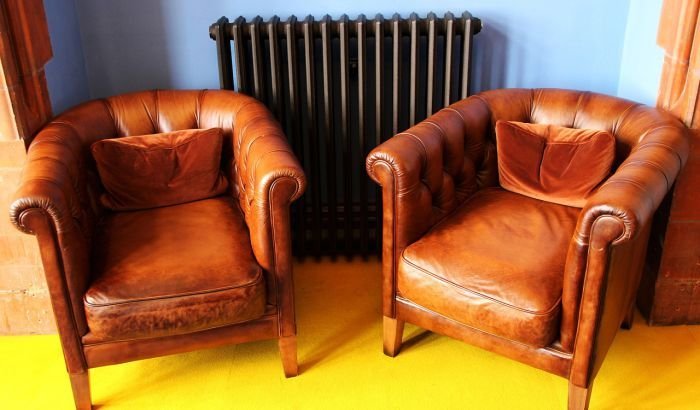
How to get stains out of leather safely starts with identifying the finish, blotting any fresh liquid and keeping strong household products away from the mark.
Leather can be protected by a pigmented coating, left absorbent, textured into suede or replaced by a synthetic surface that only looks similar. A method that lifts soil from one finish can darken, strip or soften another, so the first decision matters more than the recipe.
Move quickly on a fresh spill without turning speed into scrubbing. A dry cloth, the care information and a clear stop point are more useful than a row of household products. Once the surface has been stabilised, take time to decide whether the mark is removable soil or a change in the material itself.
Check the finish before treating the stain
- Blot fresh liquid with a clean white cloth. Press straight down and change to a dry section as it absorbs.
- Check the care label, purchase information or maker guidance for the leather type and permitted cleaner.
- Treat suede, nubuck, absorbent aniline leather, faux leather and unknown finishes as separate materials.
- Patch-test the compatible product in a hidden area and allow it to dry before judging colour or texture.
- Stop if colour transfers, the finish dulls, the surface turns tacky or the mark spreads beyond its original edge.
Key takeaways
- Leather type, surface finish and care instructions decide which stain treatment is compatible.
- Blotting removes liquid without driving it across the surface or into seams and cushion filling.
- Vinegar, alcohol, acetone, steam and generic conditioners can change colour, coating or feel.
- A mark caused by lost dye, peeling coating or a scratch needs repair or recolouring, not more cleaning.
- Old, absorbed, contaminated or valuable items are good reasons to stop before experimenting.
Table of Contents
How to get stains out of leather safely
Start by removing the source of the mark. Lift loose solids with the edge of a blunt spoon, then blot moisture with a dry white cloth. Coloured towels can transfer dye, paper towels can shed fibres and vigorous rubbing can enlarge the affected area. Keep the cushion or item supported so liquid does not run towards stitching, perforations or a lower panel.
Look for the maker’s care label under a cushion, beneath the item or in the original paperwork. A compatible product label should name the surface it is intended for and explain application, residue removal and drying. A bottle marked simply for furniture or upholstery is not enough evidence that it suits leather.
Do not identify leather by a deliberate water-drop test. Absorbency can vary across worn panels, seams and previous treatments, and the test itself may create a mark. Use known product information first. If the material remains uncertain, place it in the unknown category and avoid wet treatment.
Check the whole item for differences before choosing a hidden test area. Sofa cushions, arms and side panels may use different materials, and a repaired section may carry a coating that behaves differently from the original leather. A test behind one cushion does not prove that a faded armrest will respond in the same way. Match the test to the affected panel and avoid areas with cracking, abrasion or previous colour work.
Surface condition also changes the decision. Protected leather can lose part of its topcoat through wear, exposing a darker and more absorbent patch at the edge of a stain. Faux leather may look intact until a cleaner softens an already failing coating. Run a dry white cloth over an inconspicuous area first; visible colour transfer, flakes or tackiness are stop signals before any cleaning product is opened.
Leather finish decision card
Use confirmed maker information where possible. Surface appearance is a clue, not proof.
Protected or pigmented smooth leather
A factory coating usually gives an even colour and some resistance to brief spills. If the maker permits damp cleaning, use a pH-neutral leather cleaner exactly as labelled and keep moisture low.
Aniline or semi-aniline leather
Natural variation and absorbency can make water, oil and cleaner darkening more visible. Blot only and seek maker or leather-specialist advice unless the treatment is specifically approved.
Faux or coated synthetic leather
Polyurethane and vinyl coatings have their own care limits. Leather conditioner may sit on the coating or make it tacky, and peeling cannot be cleaned back into place.
Suede or nubuck
The raised nap reacts differently from smooth leather and can flatten or tide-mark under damp wiping. Keep smooth-leather liquids and conditioners away from it.
Unknown, valuable, vintage or damaged material
Pause after dry blotting. Existing cracks, loose colour, sticky coating, repairs or uncertain construction make a home treatment harder to predict.
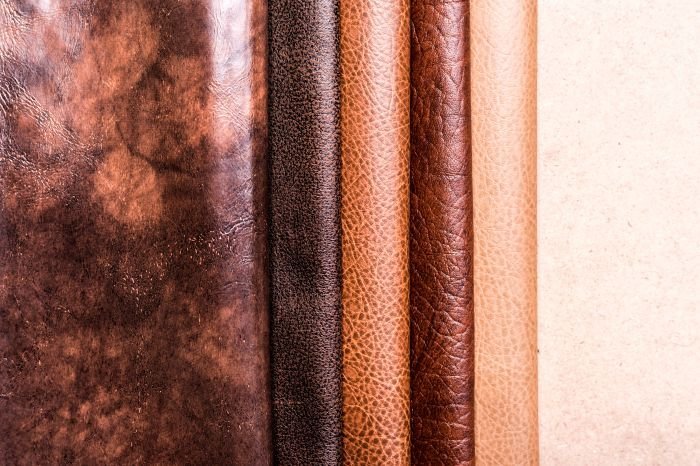
Fabric covers follow a different moisture and extraction route. The material checks used for fabric upholstery should not be transferred automatically to leather. Suede and nubuck also keep their own stain-care boundary.
You may also enjoy:

First aid before the stain dries
Fresh liquid gives you one low-risk action: blot. Place a clean white cloth over the wet area and press without sliding. Lift it, turn to a dry section and repeat. Work at the wettest point first. Do not chase a faint edge with extra water, because a larger damp patch can dry into a wider tide mark on an absorbent finish.
For food, mud or another solid deposit, lift what sits above the surface without scraping the coating. A blunt spoon can remove soft material; dry crumbs can be picked up gently after the spill has been stabilised. Do not grind particles into the grain. Follow with a compatible cleaner only after the leather and finish have been confirmed.
Grease needs a dry start. Press with an absorbent white cloth and leave the darkened area alone until you know the finish. Cornflour, talc and bicarbonate appear in many home recipes, though they can lodge in grain, leave pale residue or produce a new edge on absorbent leather. Use an absorbent treatment only when the maker or a leather specialist confirms it for that finish.
Ink and dye transfer are easy to turn into finish damage. Alcohol, hand sanitiser, acetone and nail-polish remover can dissolve colour or topcoat along with the mark. Blot any wet source, keep it from touching another panel and stop. A specialist can judge whether the visible problem is removable soil, transferred dye or colour loss that needs recolouring.
Blood, urine, vomit and other biological spills add a hygiene and odour problem. Wear suitable protection for the spill, prevent contact with children and pets, and do not saturate the leather. Liquid that reaches stitching, foam or filling may remain beyond the surface. Extensive contamination needs advice for the complete item, not repeated spot cleaning.
Record what caused the stain, when it happened and which products have already touched it. That history helps distinguish a fresh deposit from residue left by an earlier treatment. Keep product containers or photographs of their labels until the material has been assessed. If two cleaners have already been used, do not add a third; residue may need removal under controlled conditions before the original mark can be judged.
Choose the method by stain and finish
The table below sets a cautious DIY limit. It assumes the item is structurally sound and the maker has confirmed its material. Any cleaner must be compatible with the named finish, patch-tested in a hidden place and used according to its instructions.
| Mark | First move | Compatible DIY limit | Stop signal |
|---|---|---|---|
| Fresh water or clear drink | Blot with a dry white cloth. | On known protected leather, use only the maker-approved cleaner and minimal moisture. | A dark edge remains, colour transfers or the panel dries unevenly. |
| Oil or grease | Blot dry without adding water. | Use a maker-approved absorbent route only when it is named for the finish. | The mark is old, deeply absorbed or expands after the test. |
| Food, mud or surface soil | Lift solids without scraping. | Clean a small controlled area on protected leather with the labelled product. | The cloth lifts colour, the coating dulls or the grain turns sticky. |
| Ink or dye transfer | Remove the source and blot if still wet. | No solvent experiment. Record how the transfer happened for specialist assessment. | Colour loss, a sharp dark line or a mark that sits beneath the topcoat. |
| Unknown or biological mark | Isolate the area and prevent contact. | Dry blotting only until the substance, material and contamination depth are known. | Odour, seepage at seams, filling involvement or any health concern. |
A stain may look lighter after the surface dries and still have oil or dye beneath the coating. Do not repeat a treatment immediately. Allow the time stated on the care product, inspect the area in normal light and compare texture as well as colour. Repeated damp cycles can create more damage than the original mark.
Water rings need particular restraint. The visible edge forms where moisture, soil or finish change has dried at a boundary. Spot-wetting that edge can move the boundary outward. On some protected leather, a trained cleaner may treat a complete panel to control the transition; on absorbent leather, the same action can darken the panel. A general home method cannot decide between those outcomes without a confirmed finish.
Oil behaves differently because it can migrate below the visible surface. A pale powder may appear to absorb the top layer and leave deeper oil behind, which can return as the leather warms during use. Several powder applications also increase the chance of residue in grain and stitching. An older grease stain needs a realistic discussion about improvement, colour balance and whether specialist degreasing is appropriate.
Clean a protected leather sofa without spreading the mark
Use this sequence only for known protected or pigmented smooth leather when the manufacturer permits damp cleaning. It is unsuitable for suede, nubuck, absorbent aniline leather, cracked finishes, peeling faux leather or an item that releases colour during testing.
- Remove grit with a dry soft cloth or the care method approved by the maker. Abrasive particles can mark the coating during wiping.
- Read the cleaner instructions for dilution, application, residue removal and drying. Keep other products away from the work area to avoid accidental mixing.
- Patch-test behind or beneath the sofa where both colour and feel can be checked after full drying. A test that stays dark, tacky, dull or stiff does not pass.
- Put the permitted amount of cleaner on a clean white cloth if the label directs that application. Do not spray the sofa or pour liquid onto the mark.
- Work a small controlled section with light pressure. Keep liquid away from seams, buttoning and perforations where it can reach the filling.
- Remove residue only as the product label directs, using a separate cloth. Stop if the cloth picks up the sofa’s colour.
- Let the surface air-dry away from radiators, hairdryers and direct heat. Apply conditioner only when the sofa maker and conditioner label both permit it.
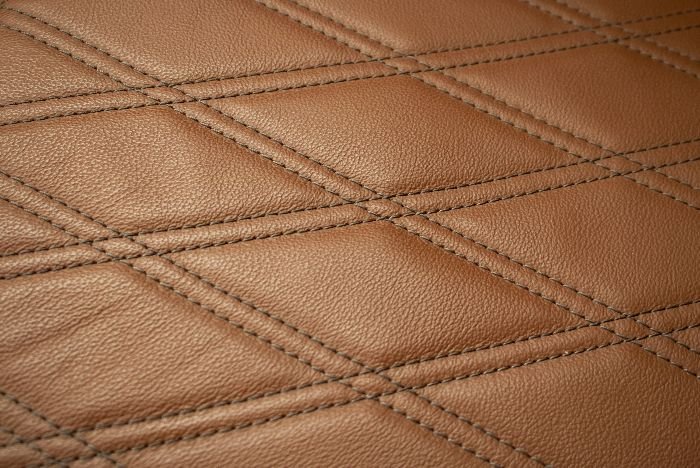
Conditioner is a maintenance product, not a stain remover. It cannot replace dye, rebuild a damaged coating or pull absorbed oil from inside the leather. An unsuitable conditioner can deepen a water mark, darken absorbent leather or leave residue on a synthetic coating.
After the test area and treated section have dried, compare them from several angles in daylight. Look for a change in sheen, a sharp outline, raised grain or a smoother patch where the coating has been rubbed. Touch the area with clean dry fingers only after it is fully dry; stiffness or tackiness indicates that the finish or residue has changed. Put removable cushions back only when seams and underside surfaces are dry.
Why vinegar, alcohol, steam and conditioners can fail
Household acids are often presented as universal stain removers. Vinegar can alter some dyes and finishes, and adding water widens the risk on absorbent leather. The broader vinegar risks are a reminder that a familiar kitchen product is still a chemical treatment.
- Alcohol, sanitiser and acetone can dissolve topcoat or colour, leaving a pale patch that cleaning cannot reverse.
- Steam adds heat and moisture at once. It can change finish, move dye, dry natural leather and carry moisture into seams or filling.
- Washing-up liquid and general household soap may leave residue, alter sheen or need more rinsing moisture than the item tolerates.
- Saddle soap is made for specific uses and finishes; the name does not make it suitable for a sofa, bag or jacket.
- Generic conditioner can darken porous leather or sit on faux leather. It should follow maker guidance, not every stain treatment.
Use one compatible product at a time and follow basic chemical safety. Never mix cleaners, and do not combine a home remedy with a commercial leather product to make it stronger. Residue from the first treatment can react with the next or make the finish harder to assess.
When a leather stain needs specialist assessment
Stop home treatment when the mark is older than the spill history you know, has soaked through an absorbent finish, crosses several panels or sits beside cracks and worn coating. A ring that remains after full drying may need controlled panel cleaning. A pale patch with no surface residue may be colour loss. Neither problem improves through repeated spot applications.
Dye transfer, ink, deeply absorbed grease and contamination around seams need a closer material check. Peeling faux leather is coating failure, and a scratch is physical damage. Cleaning can remove compatible surface soil; recolouring, coating repair and structural work are separate services with different tools and judgement.
A specialist assessment is easier when the item is left in its current state. Do not polish the surrounding panel to make the mark less visible, because that changes the colour and sheen reference needed for comparison. Note any earlier repair, conditioning or waterproofing treatment, and keep the stained area away from direct sun and heat until the next step is agreed.
Large furniture adds another boundary: a surface stain may have travelled into stitching, piping, cushion lining or foam. Removing the visible mark alone may leave an odour or a darker line that returns during drying. Assessment should cover the construction around the stain as well as the top surface, especially after a large drink spill, pet accident or repeated wet cleaning.
When Samyx can assess the upholstery
Samyx Cleaning treats leather as a separate route from fabric extraction. Before booking upholstery cleaning, confirm the item material, finish and type of mark with the office so the team can say whether it fits the service. Standard hot-water extraction used for suitable fabrics must not be assumed for leather, and cleaning cannot replace recolouring or repair.
Check Leather Cleaning Options
Enter your postcode to view our rates and availability in your area.

Frequently asked questions
-
Can leather be permanently stained?
Yes. Absorbed oil or dye may remain, and some apparent stains are actually lost colour, coating damage or a tide mark. Cleaning removes compatible soil; it cannot rebuild a finish or replace dye.
-
Does vinegar remove stains from leather?
Vinegar is not a universal leather cleaner. Its acidity and added moisture can alter dye, sheen or feel, especially on absorbent or unknown finishes. Follow the maker’s care instructions and use a product approved for that leather.
-
Does WD-40 remove stains from leather?
WD-40 should not be used as a general leather stain treatment. Oils and solvents can darken leather, spread the mark or affect the coating. Blot the stain and use maker or specialist advice for the confirmed finish.
-
Can old stains be removed from leather?
Some old surface marks can improve after compatible cleaning. Deep oil, dye transfer, water rings and colour loss may need specialist cleaning, recolouring or repair. Stop if a hidden-area test changes colour, sheen or texture.
Important: follow the care label and manufacturer instructions over general guidance. Patch-test the intended compatible product in a hidden area, use ventilation and protective equipment named on its label, and never mix cleaning products. Do not use bleach, ammonia, alcohol, acetone, solvents or steam unless the manufacturer explicitly permits that treatment. Stop for colour transfer, darkening, dullness, tackiness, peeling, stiffness or texture change. Seek manufacturer or suitable specialist advice first for suede, nubuck, aniline, valuable, vintage, unknown or damaged items.
Author: Svetlana Georgieva (Clara)
Hi, I’m Svetlana Georgieva, but you can call me Clara. As the co-founder and heart behind Samyx Cleaning, I’m devoted to sharing the art of a clean space. Let’s journey into a cleaner, more joyful life together with tips from London's cleaning experts.

Discover more of our cleaning secrets: