
How to Remove Ink from Clothes Without Setting the Stain

Last modified on: 31/07/2026
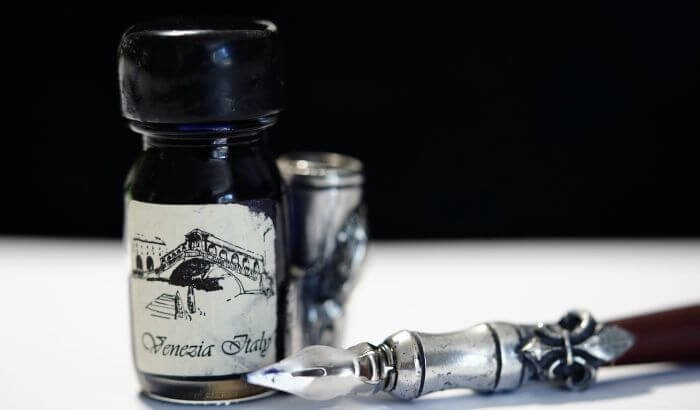
How to remove ink from clothes starts with three rules: do not rub the mark, do not apply heat, and do not treat every ink or fabric with the same solvent. Put a clean absorbent towel behind the stained layer, identify what you can about the pen or pigment, then test a care-label-compatible treatment on a hidden area before working from the edge towards the centre.
Key takeaways
- Ink removal is controlled transfer, not scrubbing. A backing towel gives loosened colour somewhere to go.
- Water-based ink may respond to water and detergent. Oil-based ballpoint ink often needs a compatible solvent step first.
- Rubbing alcohol is not safe for every fibre, dye, print or finish. The garment and product labels set the limits.
- Hairspray, hand sanitiser, acetone and WD-40 are not interchangeable stain removers and can leave damage or new residue.
- A washed or tumble-dried ink mark may still improve. Repeated aggressive treatment can cause more damage than a faint remaining shadow.
Table of Contents
Check the label, fabric and ink before treatment
Start with the garment, not the remedy. Read the washing, drying and bleach symbols. Check whether the item contains silk, wool, acetate, triacetate, modacrylic, elastane, coated fabric, glued decoration, a transfer print or contrast trim. A cotton-looking shirt can include a stretch blend or printed finish that changes what it can tolerate.
Test colourfastness on an inside seam with the exact product and concentration you plan to use. Press with a white cloth and check for dye, texture or sheen change. A clean test cannot prove that a long contact time is harmless. Visible transfer or surface change is a clear stop signal. Dry-clean-only pieces and vulnerable delicate fabrics belong with a garment-care specialist.
Next, look for the pen, cartridge, marker or source. Fountain-pen and many washable children’s inks are often water-based. Traditional ballpoint or Biro paste combines dye with an oily carrier. Gel ink can contain a dense pigment suspension. Permanent marker is formulated to resist water. Printer and tattoo inks vary, so the source label is more useful than the colour alone.
Choose a route by ink type
This selector is a starting point, not permission to ignore either label. If the source is unknown, begin with the least aggressive compatible action and judge progress by ink transferring onto the towel, never by how hard you can work the fabric.
| Ink clue | Likely type | First action | Compatible route | Stop or change course |
|---|---|---|---|---|
| Fountain pen or washable felt tip | Water-based dye | Blot, then rinse from the reverse if allowed | Liquid laundry detergent or labelled stain product | Colour spreads, fibre distorts or label excludes washing |
| BIC, Biro or standard ballpoint | Oil-based dye paste | Back the mark and test a suitable solvent | Controlled alcohol transfer only if labels and test allow | Dye or print transfers; mark forms a wider ring |
| Gel pen | Dense pigment or dye gel | Lift excess without smearing | Product-led pretreatment after a hidden test | Pigment embeds or coating changes |
| Permanent marker | Solvent-resistant dye or pigment | Isolate and test cautiously | Garment-safe proprietary remover or specialist | Finish, print or garment colour lifts |
| Printer ink | Variable dye or pigment formulation | Blot liquid; do not grind toner or pigment in | Follow cartridge and garment guidance | Source unknown or particles spread |
| Tattoo ink | Pigment plus carrier | Blot fresh transfer immediately | Repeated light transfer and label-safe laundering | Valuable linen, unstable dye or dried pigment remains |
| Unknown, washed or dried mark | Possibly altered by detergent or heat | Photograph, test and rehydrate only if allowed | One controlled compatible method at a time | Fabric thins, shines, pills or loses colour |
How to remove ink from clothes without spreading it
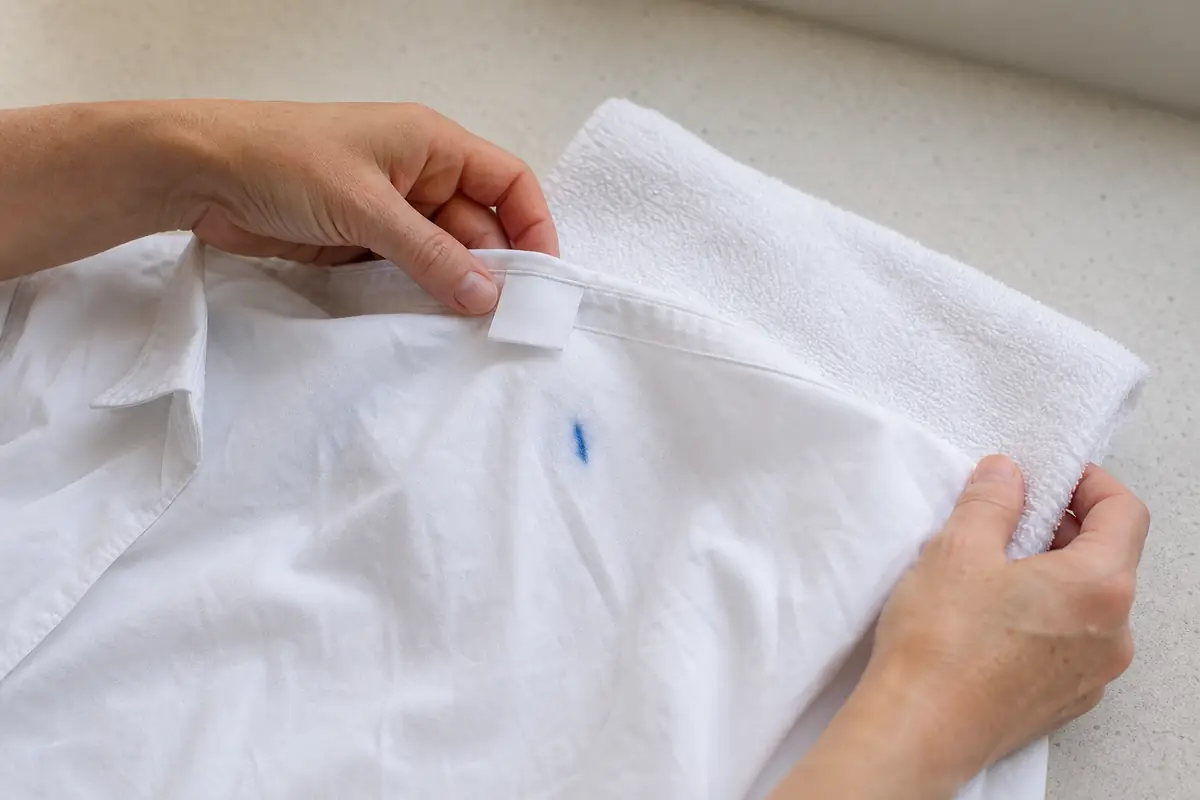
Work on a stable, well-ventilated surface. Keep alcohol-based products away from flames, hot appliances and smoking materials. Place the stained area face down or face up according to the product directions. Always isolate it from the rest of the garment with a white absorbent towel. Coloured towels can hide transfer or release dye of their own.
- Remove surface excess. Blot a fresh liquid mark with a clean white cloth. If there is dried material on top, lift only what releases without scraping the weave.
- Back the stained layer. Put a folded towel immediately behind it. Keep cuffs, pockets and the other side of the garment out of the working area.
- Test the treatment. Apply the smallest practical amount to an inside seam. Check the wet and dry result before continuing.
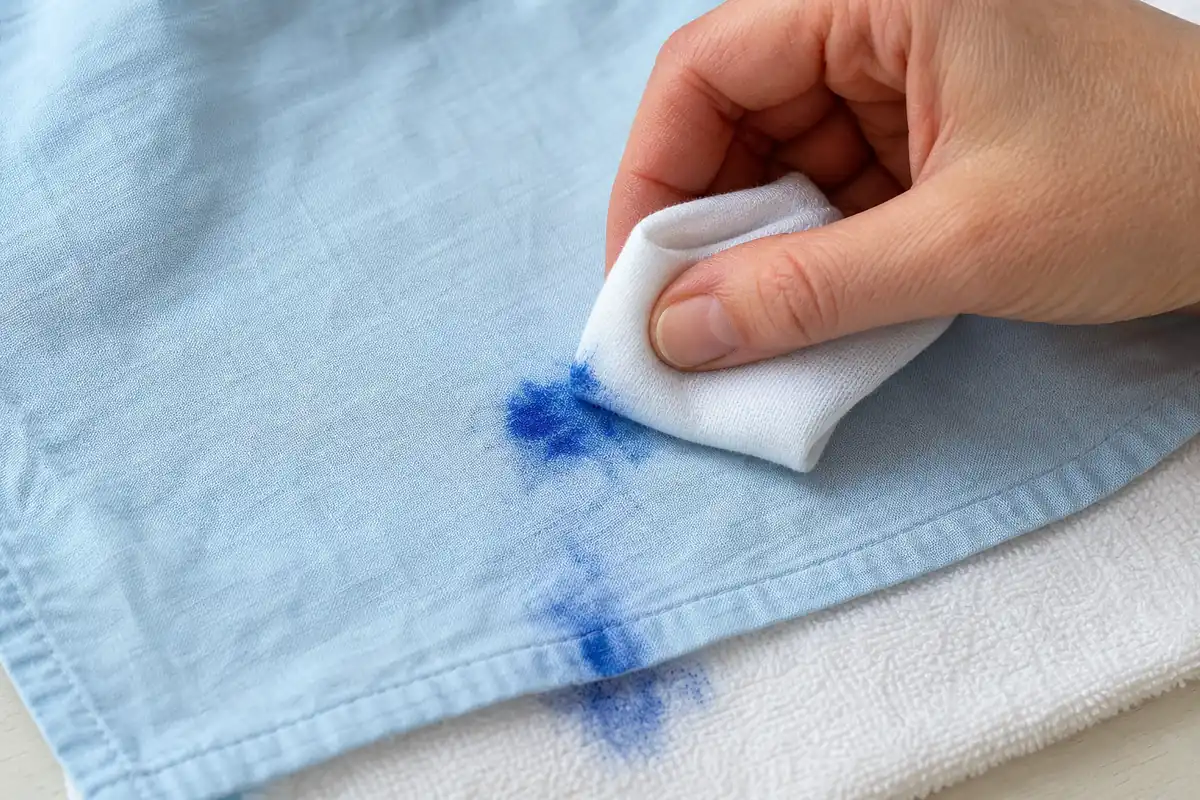
- Dab from the perimeter. Use a white cloth or swab and light pressure. Replace or reposition the backing as soon as ink appears on it.
- Control moisture. More liquid is not automatically better. Saturating a lined item can move ink into interfacing, padding or another fabric layer.
- Rinse and change method cleanly. Follow the product’s rinsing instructions. Do not layer detergent, alcohol, bleach, ammonia, acid or another solvent on top of an unknown residue.
- Wash and inspect. Use a care-label-safe cycle, then check both sides in neutral light. Air-dry until you know the mark is gone or treatment has stopped.
Water-based and fountain-pen ink
Fresh water-based ink often gives the clearest transfer. If the label allows, rinse from the back with cool water so the flow pushes ink out without carrying it through more fabric. Apply a small amount of liquid laundry detergent or a labelled ink treatment, using its stated contact time. Blot, rinse and wash. Do not scrub a ring around the original mark.
BIC or Biro ballpoint ink
Ballpoint paste usually needs more than water because its carrier is oily. On a compatible washable item, a tested alcohol-based stain treatment may loosen the dye so it transfers onto the backing towel. Use small applications and clean contact points. Stop if garment dye appears on the cloth, a printed motif softens or the blue mark turns into a broad halo.
Do not assume that a BIC pen contains exactly the same formulation as every Biro or rollerball. If the pen is available, check the manufacturer’s information. After solvent transfer, rinse as directed, pretreat any remaining oily edge with a compatible laundry product and wash. Air-dry before deciding whether a second pass is justified.
Gel, permanent marker and printer ink
Gel and permanent inks can leave pigment even after part of the carrier moves. Printer dye may behave differently from pigment ink, and dry toner consists of particles, not a normal liquid stain. Avoid grinding particles deeper or flooding a print-sensitive garment. Use a remover specifically labelled for the ink and fabric, or stop when the source cannot be identified confidently.
Acetone is not a universal answer to permanent ink. It can damage acetate and triacetate, affect some modacrylics, dissolve prints and coatings, and strip garment dye. A proprietary product is still not automatically compatible: its label and the hidden-area test remain controlling. The same caution applies to nail polish stains, which have their own formula and fabric decisions.
Tattoo ink on clothing or sheets
Tattoo ink combines pigment with a carrier, and the exact formulation varies. Blot a fresh transfer promptly, keep it from reaching another layer, and use a label-compatible treatment that produces visible transfer without moving the garment dye. On sheets, reposition the backing frequently because the mark can pass through more than one fold.
Dried tattoo pigment can remain as a shadow after the carrier has lifted. Do not keep adding stronger solvents in pursuit of a perfect result. Valuable bedding, a finished uniform or a delicate garment is better assessed by a garment-care specialist before repeated treatment alters the surface.
You may also enjoy:

How to remove pen ink after washing or drying
Washing can spread a pen leak across several items. Tumble-drying can make the remaining dye harder to release. Neither event proves that every mark is permanent. Separate affected garments, check the machine drum for loose pen parts or ink residue, and do not run the load through another heated cycle.
For each garment, identify the fibre and test a compatible ink treatment. Rehydrate the mark only as the label allows, back it with a clean towel and repeat light transfer. A dried mark may need several short passes with fresh towel sections, not one long soak. Rinse between different products and inspect the area for fabric damage as closely as you inspect the colour.
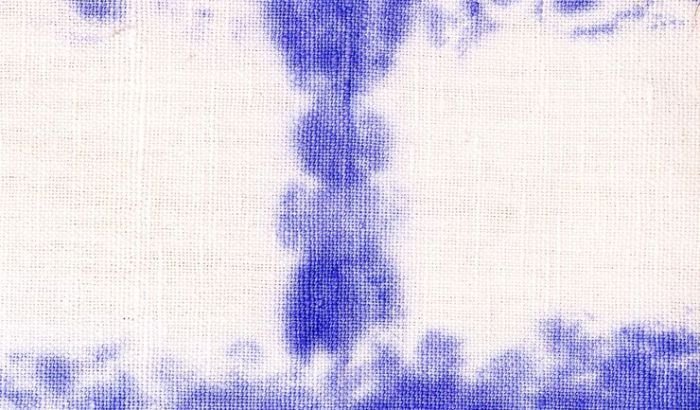
After a tumble dryer, lower your expectations. Heat can change the ink and its bond with the fibre. Stop if repeated dabbing no longer transfers colour, the weave begins to fuzz, a pale patch appears or the surface turns shiny. A faint stable mark is often preferable to a hole, dye loss or a weakened uniform.
Adjust the method for whites, colours and delicate fabrics
On coloured clothing, garment-dye transfer may be harder to see than ink transfer. Always use a white test cloth and compare it with an unstained area. Do not interpret colour on the cloth as proof that the ink alone is moving. If the garment shade lightens around the mark, stop and rinse according to the product instructions.
On white clothes, avoid assuming chlorine bleach is suitable. White items can contain elastane, nylon, optical finishes, coloured stitching, logos or trims that bleach can weaken or discolour. Bleach is not the default ink solvent, and it can change the fabric before it removes the mark.
Silk, wool, acetate, lined tailoring, vintage fabric, glued embellishment and dry-clean-only construction need a more cautious boundary. Even when the outer fibre tolerates moisture, a lining or adhesive may not. Do not separate components or ignore the care label to reach one stain. Photograph the mark and tell the specialist what products, washing and heat it has already received.
Rinse, wash, inspect and air-dry
Once transfer slows, follow the stain product’s rinsing instructions. Wash at the temperature permitted by the garment label and recommended for the treatment, not automatically on the hottest cycle. Avoid overloading the machine, because loosened ink and detergent need sufficient water and movement to leave the fabric.
Inspect the wet garment from both sides in neutral light. A damp fibre can hide a pale blue or grey shadow, so air-dry and check again before ironing or tumble-drying. If the mark remains and the fabric is unchanged, repeat the same compatible method once more or move to a garment-care specialist. Rinse the first product away before changing course.
If ink leaked inside the washing machine, remove the pen and follow the appliance manufacturer’s instructions for the drum, door seal and filter before washing clean clothes. Do not improvise with a flammable solvent inside an appliance. The general stain guide can help identify a different residue. Ink still needs its own transfer-first method.
Ink-removal shortcuts that can damage clothes
- Hairspray: older advice relies on its alcohol content. Modern sprays vary and may add resins, oils, fragrance or colour. Do not treat hairspray as a standard garment solvent.
- Hand sanitiser: gels contain different alcohol levels plus thickeners, moisturisers, dyes or fragrance. Those additions can leave a new ring or residue.
- Acetone: it can damage several fibres, prints, coatings and dyes. Never use it simply because permanent marker or nail varnish is present.
- WD-40 or oily lubricants: these can replace an ink stain with oily residue and odour that requires a different treatment. They are not routine laundry products.
- Vinegar, milk and mixed home recipes: ink formulations differ, and combining unlabelled remedies makes compatibility and residue harder to control.
- Hard brushing or rubbing: friction spreads wet dye, pushes pigment into the weave and can leave a pale, fuzzy or shiny patch even if some ink moves.
How Samyx Cleaning can help after an ink spill
Stop when the care label excludes the process, the source is unknown and solvent choice would be uncertain, garment dye transfers, a print becomes tacky, the finish changes, fibres thin or the ink spreads beyond the original boundary. Dry-clean-only clothing, uniforms with special finishes, delicate fibres, valuable pieces and embellished garments should go to a garment-care specialist. Explain every product and heat cycle already used.
Samyx Cleaning does not provide laundry, dry cleaning or garment restoration. An ink incident can also reach compatible worktops, cupboards, floors or several areas of a room. After isolating the clothing for separate care, Samyx one-off cleaning may help with the wider household clean-up. The booking does not include treatment of the garment.
Book One-Off Cleaning
Enter your postcode to view our rates and availability in your area.

Frequently asked questions
-
Can ink come out of clothes after it has dried?
Some dried ink can still improve. Test a care-label-compatible treatment, use a clean backing towel and repeat light transfer before washing and air-drying. Heat-set marks are harder, and complete removal is not guaranteed.
-
Is rubbing alcohol safe for every ink stain and fabric?
No. Alcohol may help with some ballpoint inks on compatible washable fabrics. It can also move garment dye or affect prints and finishes. Check both labels and test a hidden area first.
-
How do you remove BIC or Biro ink from clothes?
Back the stain with a white absorbent towel, test a compatible ink treatment and dab from the edge as you move to clean towel sections. Rinse, wash as labelled and air-dry before using heat.
-
How do you get tattoo ink out of clothing?
Blot a fresh transfer, isolate the stained layer and use a label-compatible treatment that moves pigment without lifting garment dye. Dried tattoo ink may leave a shadow, so stop before repeated solvent use damages the fabric.
Important: Garments vary in fibre, dye, finish, print, trim and care instructions. Ink and stain-remover formulations also vary. Follow the garment and product labels, test any permitted treatment on a hidden area, ventilate when using alcohol-based products and keep them away from heat or flame. Never mix cleaning products. Stop if dye transfers, the finish changes, the fabric weakens or the mark spreads, and use a garment-care specialist for dry-clean-only, delicate, valuable, embellished or already damaged items.
Conclusion: protect the garment as the ink transfers
The palest possible mark is only one measure of success. A sound garment keeps its colour, strength, texture and finish. Identify the ink, follow the care limits, provide a clean backing surface and let transfer – not friction – show whether the method is working.
Finish every attempt with the same checkpoint: rinse as directed, wash only when permitted, inspect both sides and air-dry before heat. If progress stops or the fabric begins to change, stop with the garment intact and ask a specialist to assess the remaining mark.
Author: Svetlana Georgieva (Clara)
Hi, I’m Svetlana Georgieva, but you can call me Clara. As the co-founder and heart behind Samyx Cleaning, I’m devoted to sharing the art of a clean space. Let’s journey into a cleaner, more joyful life together with tips from London's cleaning experts.

Discover more of our cleaning secrets: