
The Samyx Guide to Weekly Deep Cleaning for a Clean and Healthy Home

Last modified on: 01/09/2026
Publish: 7th May 2024
Views:
Category: DIY
Tags:
Baking soda, Cleaning benefits, Cleaning tips, Eco-friendly cleaning, Kitchen cleaning, White vinegar
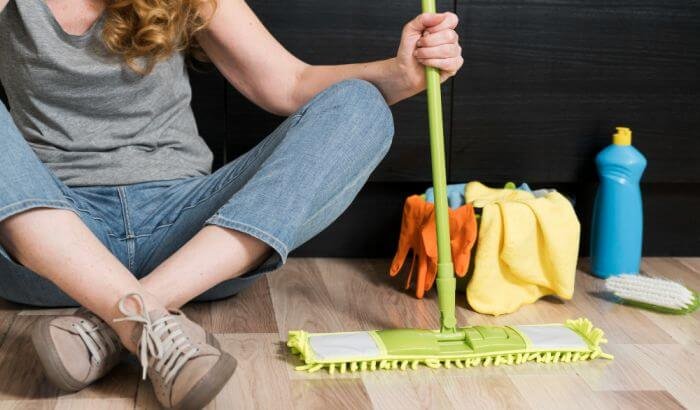
A deep cleaning checklist works best when you complete one room at a time, remove dry dirt before wet cleaning, and leave the floors until last.
Deep-clean the home without cleaning the same surface twice
- Clear clutter, ventilate the room and check product labels and surface-care instructions before you start.
- Work high to low and dry to wet: remove cobwebs and dust before wiping, washing or mopping.
- Finish one room or one defined zone before moving on, giving labelled products their stated contact time.
- Keep toilet cloths and tools separate from kitchen and general-purpose equipment.
- Clean floors last and work towards the exit. Split the checklist across sessions if the full job is too much for one day.
I hope I speak for everyone when I say we love it when my home shines and smells fresh. There’s just an awesome feeling when you’re done with your deep cleaning and you look around at all that you’ve accomplished in a day’s work.
But deep cleaning isn’t just about tidiness. It’s also great for reducing allergens, keeping dust at bay, and creating a peaceful and restful atmosphere at home. And we can all use it after a long day around London.
While a weekly deep clean can feel overwhelming, it can become a satisfying routine with the right plan. So check out the Samyx Cleaning guide for weekly deep cleaning.
Let’s get you organised, set up your favorite playlist, and dig into a cleaning routine that’ll leave your home sparkling.
Key takeaways
- A deep clean targets built-up dirt and overlooked spaces; it does not replace the small tasks that keep a home manageable between sessions.
- The most efficient order is declutter, dust high areas, clean fixtures and furniture, then vacuum or mop the floor.
- Kitchens and bathrooms need separate tools, product-label contact times and extra care around food, water, heat and finishes.
- Care labels and manufacturer instructions decide whether curtains, bedding, screens, appliances and coated surfaces can be cleaned at home.
- A whole-home reset can be divided across several days or handed to a one-off cleaning team when moving furniture, heavy build-up or limited time makes DIY impractical.
Table of Contents
Deep cleaning checklist in the right order
Print the checklist or keep it open while you work. The room lists below provide the detailed tasks.
1. Prepare the route
- ☐ Put away clutter and remove rubbish
- ☐ Ventilate where products require it
- ☐ Check labels, finishes and care instructions
- ☐ Separate kitchen, toilet and general cloths
2. Work high and dry
- ☐ Remove cobwebs and dust light fittings
- ☐ Vacuum cabinet tops, shelves and soft furnishings
- ☐ Clean behind movable furniture only when safe
- ☐ Collect dry debris before adding moisture
3. Reset each room
- ☐ Kitchen: appliances, cupboards and food-contact surfaces
- ☐ Bathroom: limescale, grout, fixtures and toilet
- ☐ Living room: upholstery, curtains and electronics
- ☐ Bedroom: bedding, under-bed area and wardrobes
4. Complete the finish
- ☐ Wipe switches, handles, doors and skirting boards
- ☐ Return only clean, dry items to storage
- ☐ Vacuum and mop floors towards the exit
- ☐ Rinse, dry and store tools safely
This is a domestic deep-clean checklist. End of tenancy, commercial kitchen, mould remediation, pest treatment and material restoration have different scopes.
Plan a One-Off Deep Clean
Enter your postcode to view our rates and availability in your area.

Understanding deep cleaning vs. regular cleaning
Regular cleaning handles everyday messes like dirty dishes, dusty shelves, making the bed, doing laundry, vacuuming, etc. All in all, stuff you need to do at least several times a week (or even every day).
Deep cleaning digs deeper. It takes care of grime and stubborn stains, and dirt in corners you usually ignore (inside of cupboards, cabinets, etc).
A weekly deep clean keeps mold, bacteria, and dust mites from taking over your space. This helps you maintain the safety and comfort of a clean home. A little extra effort each week gives you peace of mind and a fresher, cleaner environment.
The deep-clean tasks below are different from a short maintenance routine. If you need a smaller list between these sessions, use the daily checklist as the next step.
You may also enjoy:

Preparing for a weekly deep clean
Before diving in, make sure you have all the essentials. This will save you time later on. The last thing you want is to do a shop run in the middle of cleaning the bathroom.

Here’s what you need:
- Gloves (protect those hands)
- Disinfectants and multi-surface cleaners
- Microfibre cloths
- Sponges and scrub brushes
- Baking soda and vinegar (natural cleaners that aren’t as effective when used simultaneously as you might think)
- A vacuum with attachments
- Mop and bucket (you can go with the classics or get yourself a spray mop, which I personally prefer)
Decluttering each room is crucial. Put away anything out of place and throw out items you no longer need or use. This way, you can dive straight into cleaning without the distraction of clutter.
Match each product to the surface in front of you, and check the label before treating stone, coated metal, painted wood, screens or upholstery. Keep dry and wet tools separate until loose dust has been collected.
Room-by-room deep cleaning guide
Now let’s go through each room and get into some cleaning protocols that will make deep cleaning a breeze.
Kitchen
- Dust and clean the tops of cabinets with a vacuum. I don’t recommend using a handheld duster since it will merely shuffle the dust around instead of cleaning it.
- Use protective liners or sealants if possible to make future cleanups easier
- Wipe all countertops and the splashback with an appropriate cleaner.
- Clean the sink and faucet thoroughly, using baking soda or a specialized cleaner for drains.
- Remove stovetops and drip pans, soak them in hot, soapy water, and scrub away the buildup. Use a degreaser for stubborn spots.
- Remember to put on gloves.
- Be careful with the heat!
- Remove expired items from the fridge.
- Don’t forget the freezer. That kale you were going to use to jumpstart your diet that expired half a year ago – gone (or is that just me?)!
- Organise food by category, and clean shelves and drawers.
- Remove everything from the cabinets, dust and wipe the interiors, and return only essential items.
- Organise the pantry and throw away anything expired or questionable.
- Check your herbs and spices. I always find something expired every time I do a deep clean (it’s like a curse).
- Most online sources say there’s nothing dangerous about expired spices, but honestly – why take the risk?
- For the microwave, use a bowl with a vinegar-water mix to steam clean it before wiping down the interior.
- Clean behind and under the fridge and oven. It’s surprising what accumulates there
- Dust and wipe down walls, baseboards, switches, and window sills.
- Vacuum and mop the floor thoroughly, selecting an appropriate cleaner based on flooring type.
A clean kitchen means no lingering smells or hidden messes, so you can enjoy cooking without worrying about what’s lurking behind the stove.
Work on cooled, unplugged appliances only where the manufacturer’s instructions allow it. Keep liquids away from electrical parts, use a separate clean cloth on food-contact surfaces, and rinse any product that the label says must be rinsed.
Bathrooms

- Descale the showerheads and faucets.
- Use a grout brush or an old toothbrush plus a paste of baking soda and water. Scrub grout lines until they return to their original color.
- Spray the bathtub with a suitable cleaner and let it sit for 15 minutes before scrubbing with a sponge.
- Ensure all areas, including faucets, are thoroughly wiped down, and rinse everything clean
- Disinfect the toilet and sinks.
- Apply a toilet bowl cleaner and let it sit. Scrub with a brush and flush away the buildup.
- For sinks, clean the drains using baking soda and vinegar, then wipe the basin and faucet with an all-purpose cleaner.
- Make sure to declutter around the sink and sanitize accessories like toothbrush holders
Bathrooms can feel like a spa after a thorough scrub. Pay attention to those neglected spots like grout and showerheads.
Use products one at a time. If baking soda and vinegar are used in sequence, allow the foaming to stop and rinse; never seal the reacting mixture or add another cleaner. Acidic products can mark natural stone and some plated finishes, so check the material first.
Living Room
- Start with a vacuum, using the upholstery attachment to reach seams and under cushions.
- Pay special attention to high-traffic areas on carpets and rugs, as well as hard-to-reach corners.
- Remove and wash curtains based on their care instructions, or take them to a dry cleaner if needed.
- Don’t forget to vacuum curtain rods and hardware.
- Dust from top to bottom, starting with ceiling fans, light fixtures, and shelves.
- Use microfibre cloths for delicate surfaces, and polish wooden furniture with appropriate cleaners.
- Make sure to clean drawers inside and out, and organize their contents neatly.
- Remember – clutter is not our friend.
- Wipe down screens, remotes, and other frequently used electronics.
- For delicate screens, use a microfibre cloth and a gentle cleaner specifically designed for electronics.
- Sanitise remote controls and game controllers, as these collect bacteria with frequent handling.
- Create piles for items to keep, donate, or discard.
- Be thorough yet efficient when deciding what stays and what goes.
- Clean and reorganize storage spaces like shelves, cabinets, and entertainment centers.
- This will ensure a streamlined, organized environment.
Create a cozy, dust-free space to relax with your favourite book or binge-watch that new show (I’m not judging).

Bedrooms
- Strip your bed and wash all linens, including sheets, pillowcases, and duvet covers.
- Make sure everything is thoroughly dried to prevent mould.
- If pillows are washable, follow care instructions or fluff and sun-dry them to refresh.
- Vacuum under the bed to remove hidden dust bunnies.
- For carpeted areas, sprinkle baking soda to deodorize before vacuuming.
- Mop hardwood floors with a suitable cleaner to eliminate any lingering dirt.
- Use a microfibre cloth to dust nightstands, headboards, and dressers.
- Pay special attention to lamps, blinds, and ceiling fans.
- Polish wooden surfaces with wood polish for a refreshed look.
- Remove old or unworn clothes and donate them.
- Organize what’s left using storage baskets or dividers for a tidy closet.
- Make sure to hang items properly for easier access.
A clean bedroom helps promote better sleep and a more organised morning routine. And there goes your weekend. Hope you have enough time left for that binge-watching.
Hallways, utility areas and the final whole-home pass
- Wipe door frames, handles, switches, banisters and skirting boards after dusting higher surfaces.
- Vacuum doormats on both sides and clean beneath movable shoe racks without blocking the exit route.
- Empty and wipe household bins, then fit clean liners only after the containers are dry.
- Clean the washing-machine drawer, door seal and accessible filters only as the appliance manual directs.
- Finish with floors from the furthest point towards the doorway, keeping children and pets away until the surface is dry.
How Samyx Cleaning can help with a whole-home deep clean
Splitting the checklist by room is sensible when the home is already maintained. A one-day DIY plan becomes less realistic when several rooms have heavy build-up, furniture must be moved, appliances need detailed attention or the available time is short.
Samyx Cleaning provides one-off deep cleaning across London. The practical next step is to agree the rooms and priorities first, so the booked time is directed towards the work that matters most.
Book One-Off Cleaning
Enter your postcode to view our rates and availability in your area.
Conclusion
Maintaining consistency in your cleaning routine keeps your home fresh and prevents large messes from piling up. There’s nothing better than walking through a sparkling clean space, where every room feels organised and every surface shines. And, as always, if you need us, we’re never more than a phone call away.
FAQ
-
How long should deep cleaning take?
Around 3-6 hours, depending on your home’s size and how thoroughly you clean it. And how efficient you are, of course.
-
Any time-saving tips for busy households?
Tackle one room at a time and get the family involved for quicker results. With all hands on deck, things should get done faster. Of course, make sure you’re not just standing in each other’s way.
-
How do I keep things clean between deep cleans?
Do quick daily routines like wiping counters and spot-cleaning the bathroom.
Important: Product labels and manufacturer care instructions take priority over general cleaning guidance. Patch-test when compatibility varies, wear the PPE named on the label, ventilate the room and rinse or dry surfaces as directed. Never mix cleaning products, especially bleach or chlorine products with acids, vinegar, ammonia, peroxide or unknown residue. Stop if you see discolouration, etching, dulling, swelling, coating lift or fibre change. Ask the manufacturer or a suitable professional before cleaning delicate, valuable, unknown or damaged materials.

Author: Atanas Dzhingarov
Hi, I’m Atanas - brand consultant and writer. I’m helping Samyx Cleaning create the best cleaning company blog on the Internet. Join us on our journey and learn how to live a cleaner, healthier, happier life in the process.
Discover more of our cleaning secrets: