
What Happens If You Don’t Clean Your Oven?

Last modified on: 29/07/2026
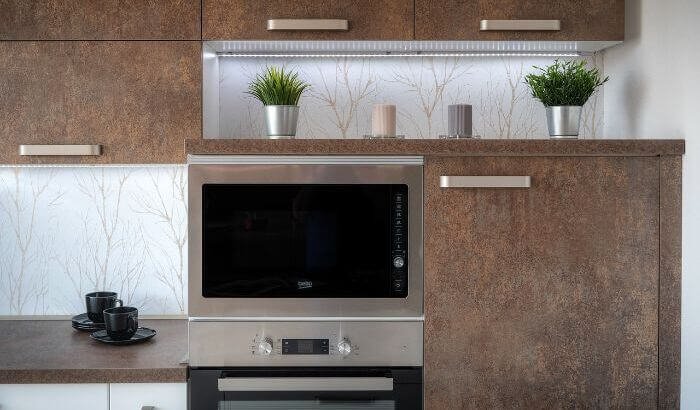
What happens if you don’t clean your oven depends on how much residue has built up and where it sits. Light staining is mainly a maintenance issue; loose food, carbonised grease or cleaner residue can create odour, visible smoke, flare-ups, poor visibility and harder future cleaning. Repeated smoke, active flame, soot, unusual fumes or damaged parts are reasons to switch the oven off and identify the correct professional route.
Residue becomes a problem when it smokes, burns or blocks normal operation
- Dry splashes and light staining call for routine maintenance according to the oven manual. They do not automatically make food unsafe.
- Loose crumbs, grease and carbonised spills can smell or smoke as the oven heats. Switch off if smoke persists or residue begins to burn.
- Cleaning-product residue creates a separate risk. Do not heat the oven until the product has been removed exactly as its label requires.
- Unusual flames, soot, damaged wiring, a faulty seal, recurring error codes or persistent gas or electrical smells need the appropriate qualified appliance or gas advice.
Key takeaways
- Old food and grease can produce odour and visible smoke, and a burning deposit can become an ignition source.
- A dirty oven does not automatically cause cancer, carbon monoxide or a named infection. Combustion faults and chemical residue require separate decisions.
- Uneven cooking can have several causes. Clean accessible residue first; recurring faults need appliance assessment.
- Clean after spills have cooled and before build-up starts smoking. The appliance manual controls liners, elements, fans and self-clean cycles.
- Professional cleaning suits heavy removable residue; it does not replace electrical, mechanical or gas repair.
Table of Contents
What happens if you don’t clean your oven?
Food drips lose moisture under repeated heat and leave a harder layer behind. Fat can spread across trays, rack supports, door glass and the lower cavity before it darkens. Each heating cycle can make that layer more difficult to remove, especially when a fresh spill lands on top of an older deposit.
Odour and visible smoke
A burnt smell during preheating often comes from old food or grease warming again. Visible smoke means residue may be scorching, a product may remain in the cavity, or the oven may have another problem. Turn the appliance off, allow it to cool and inspect only the areas the manual says the user can access. Opening windows may clear the room; it does not solve the source.
Grease ignition and flare-ups
A thin brown film is different from pooled fat, loose char or a deposit that is already alight. Accumulated grease and food debris can burn when exposed to enough heat. Never throw water into a hot oven or onto burning fat. Switch off the heat if this can be done without approaching flame, keep the door closed and follow the appropriate fire-safety response for the situation.
Harder cleaning and obscured surfaces
Carbonised layers hide the condition of enamel, rack supports, screws, covers and door glass. They also demand longer product contact or repeated treatment. More force is a poor substitute for the right method because abrasive tools can scratch enamel, damage coatings or disturb a door seal. The oven manual should identify catalytic liners, removable panels and parts that must stay dry.
Match the warning sign to the next action
| What you notice | Likely issue to check | Immediate action | Correct next route |
|---|---|---|---|
| Light splashes with no smoke or smell | Routine surface residue | Clean after the oven is fully cool | Use the appliance manual and a compatible product |
| Burnt smell or a small amount of smoke during heating | Scorching food, grease or cleaner residue | Switch off, cool and inspect accessible areas | Remove compatible residue; stop if smoke returns |
| Active flame or burning pooled fat | Ignited deposit | Do not add water; switch off if safe and keep the door closed | Use the appropriate fire-safety response |
| Cleaner smell after treatment | Product or rinse residue | Do not heat or cook | Follow the product label and oven manual for removal |
| Unusual flame, soot, damaged wiring, fault code or persistent gas/electrical smell | Possible appliance or combustion fault | Stop using the oven | Qualified appliance or gas advice, not cleaning alone |
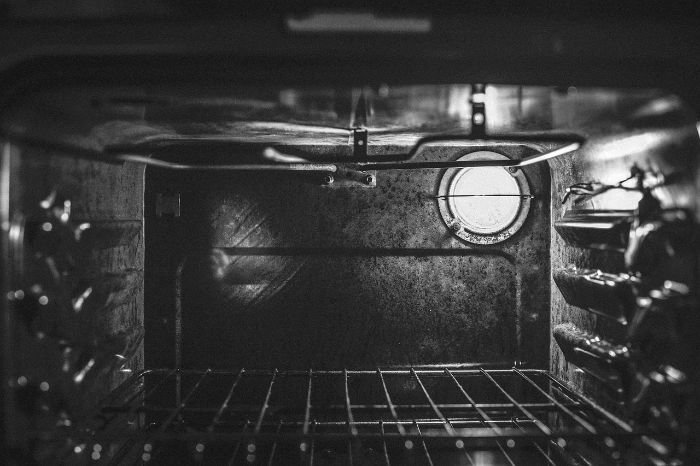
Repeated smoke after loose accessible debris has been removed is a stop signal. The source may sit behind a cover, near a heating element or in a part the user should not dismantle. A cleaner can address compatible residue; an appliance fault requires a different professional.
Need Help With Heavy Oven Build-Up?
Enter your postcode to view our rates and availability in your area.

Dirty oven health risks: evidence and myths
The clearest household concern is smoke and fumes from material that is burning or from cleaning product left behind. Smoke can irritate the eyes and airways, so persistent smoke should never be treated as a normal feature of an old oven. Switch off, ventilate the room and find the source after the appliance has cooled.
Ordinary staining on an oven wall is not evidence that the oven causes cancer or a named infection. Claims about biomass cookstoves also cannot be transferred to a domestic electric or gas oven covered with food residue. The fuel, ventilation and exposure pattern are materially different.
Carbon monoxide is a combustion issue, not a substance created by grease merely existing on a surface. A gas appliance with unusual flames, soot, repeated extinguishing or persistent fumes needs qualified gas advice. Cleaning visible deposits cannot certify combustion safety or repair a fault.
Food safety still matters. The useful controls are correct cooking temperature, preventing raw-to-ready-to-eat transfer and cleaning food-contact areas. A sensible kitchen food safety routine does more than attach a medical claim to every mark inside a hot oven.
Cleaning chemicals create their own avoidable exposure. Stronger products may require gloves, ventilation, a stated contact time and thorough residue removal. Never combine products. General cleaning-product hazards apply even when the product is sold specifically for ovens.
How residue affects cooking and the appliance
Old grease can add an unwanted burnt smell as the cavity heats. Smoke may also affect the kitchen before the food is ready. A dark door window makes it harder to check browning without opening the door, and heavy residue can conceal whether a tray, rack or support is damaged.
Uneven cooking needs a cautious diagnosis. A large deposit, blocked airflow path or badly positioned tray may contribute, and manufacturer dirty-oven guidance also identifies hot spots and uneven results as concerns. The same symptom can come from loading, temperature settings, a failed seal, sensor trouble or another appliance fault.
No honest rule can translate a dirty cavity into a fixed energy-bill increase or a guaranteed loss of appliance life. Clean accessible residue because it smokes, smells, hides surfaces and becomes harder to remove. If performance remains abnormal after correct cleaning and loading, arrange appliance assessment.
Where the residue sits changes the decision
The lower cavity and trays catch drips, loose crumbs and pooled fat. These deposits receive repeated direct heat and are the first place to inspect after a burnt smell. Remove a tray only when it is cool and the manual treats it as user-removable. A warped tray, damaged coating or deposit beneath a fixed floor panel needs a different decision from a loose crumb on enamel.
Door glass mainly affects visibility, yet the edges, hinges and seal need care. Flooding the door can carry product between glass panels or into the hinge area. Pulling at a seal can stop the door closing correctly. Use only the access and cleaning method described for the model, and stop if the seal is loose, torn or heat-damaged.
Fan guards, vents, sensors and element covers are functional parts, not ordinary flat surfaces. Residue on an accessible removable cover may be cleanable under the manual. Deposits behind a fixed guard do not give permission to dismantle it. The same boundary applies when smoke appears to come from an area containing wiring or a heating element.
Warning signs to stop using the oven
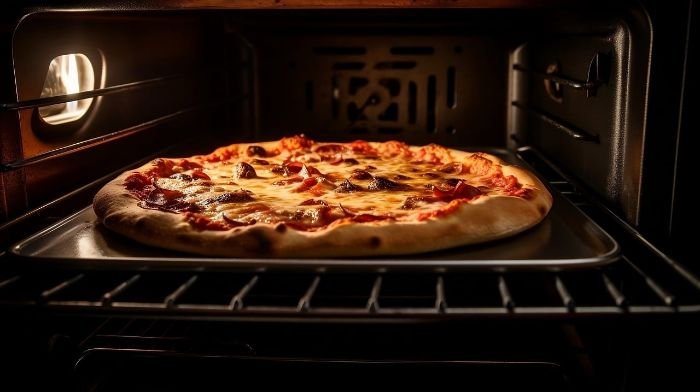
- There is active flame, repeated heavy smoke or a deposit that reignites.
- The door will not close correctly or the seal is loose, torn or heat-damaged.
- Wiring, an element or another electrical part appears damaged.
- A gas oven shows an unusual flame pattern, soot or a persistent gas smell.
- A fault code returns, controls behave unpredictably or the oven trips the electrical supply.
- Smoke continues after accessible crumbs and compatible surface residue have been removed.
Do not dismantle fixed panels, disturb wiring or probe a gas component to look for the cause. Oven cleaning addresses residue on compatible accessible or removable parts. Fire response, electrical repair and gas work require the appropriate qualified route.
How often should an oven be cleaned?
There is no single calendar that suits every oven. Usage, cooking style, spills, ventilation, liners and manufacturer instructions change the interval. A household that roasts fatty food frequently will create a different deposit pattern from one that mainly bakes covered dishes.
Wipe a compatible fresh spill after the oven has cooled, remove loose crumbs before they carbonise and plan a deeper clean when residue becomes widespread, the door glass is obscured or odour begins during heating. Smoke is a reason to stop and investigate, not a reminder to wait for the next scheduled clean.
Use a self-clean cycle only when the model manual permits it and the preparation steps have been followed. Racks, trays, liners and accessories may have separate instructions. Heavy residue can smoke during a high-temperature cycle, so a self-clean button is not automatic permission to ignore visible build-up.
Clean safely without creating a second problem
Switch the oven off and let every surface cool fully. Remove only racks, trays and supports that the manual identifies as user-removable. Check the cavity for catalytic liners, exposed elements, fan openings, vents, temperature sensors and a delicate door seal before any liquid is applied.
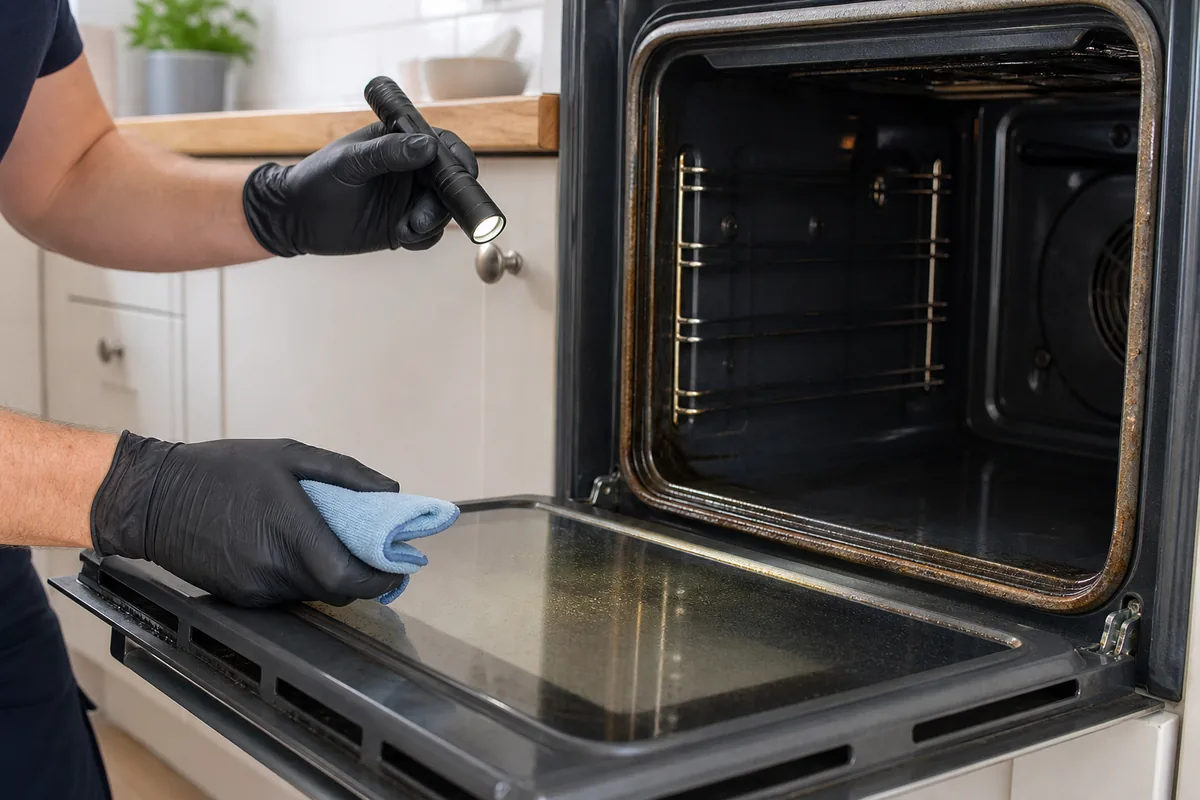
Follow both the appliance manual and the product label. Apply the stated amount, keep it away from excluded parts, observe the contact time and remove residue as directed. More product can create extra rinsing work and may reach seals, vents or electrical areas. Never mix oven cleaner with bleach, ammonia, acids, vinegar or another treatment.
Abrasive scraping can damage enamel or coated glass. Metal tools also create risk near elements and seals. Material-specific oven-cleaning mistakes become especially costly when a hurried clean is attempted immediately before an inspection or move.
You may also enjoy:

Do not heat the oven simply to burn off an unknown product. If the label requires rinsing, repeat that process with clean materials until the stated residue-removal step is complete. Keep children and pets away during treatment and drying, and ventilate the room according to the product directions.
A wider appliance-cleaning routine should keep moisture and products out of controls, motors and ventilation paths. Each appliance has its own manual and exclusions.
When Samyx Cleaning can help with heavy oven build-up
Professional cleaning is a practical choice when carbonised grease covers several panels, removable parts need separate treatment, access is awkward or the household cannot complete the work without spreading strong product around the kitchen. It also helps when the correct liner and coating restrictions are known and the deposit needs controlled dwell time and repeated removal.
Samyx Cleaning can remove compatible racks, trays, door glass and panels and degrease them separately as part of its London oven cleaning service. The cleaner still needs access to a cool appliance and accurate information about faults, recent chemical use and damaged parts.
A cleaning visit is not an electrical, mechanical or gas inspection. Active flame, unusual gas combustion, exposed wiring, a failed seal or a recurring fault code should be routed to the appropriate qualified professional before routine use resumes.
Book Professional Oven Cleaning
Enter your postcode to view our rates and availability in your area.
Frequently asked questions
-
Is it unsafe to cook in a dirty oven?
Light staining does not automatically make cooking unsafe. Stop using the oven if residue is smoking, burning, contaminating food with cleaner, blocking normal operation or hiding damage. Correct cooking temperature and prevention of raw-to-ready-to-eat transfer remain separate food-safety controls.
-
Can a dirty oven cause a fire?
Accumulated grease, loose food and carbonised deposits can ignite when exposed to enough heat. If residue catches fire, do not add water. Switch off the heat if this can be done safely, keep the door closed and use the appropriate fire-safety response.
-
Do ovens stop working because they are dirty?
Heavy residue can obstruct visibility, airflow paths or moving parts on some models. A fault may also be electrical, mechanical or related to the seal or controls. Clean only permitted areas and arrange appliance assessment if the problem remains.
-
Can a dirty oven cause cancer or carbon monoxide?
Ordinary oven grime is not evidence of a cancer cause, and carbon monoxide is a combustion issue rather than a substance created by grease sitting on a surface. Unusual gas flames, soot or persistent fumes require qualified gas advice.
-
What happens if you leave oven cleaner on too long?
The product may dry onto the surface, become harder to remove or affect an incompatible finish. Do not heat the oven. Follow the product label and appliance manual for removal, ventilation and rinsing, and contact the manufacturer when the required correction is unclear.
Important: Switch the oven off, allow it to cool fully and follow the appliance manual and cleaning-product label over general guidance. Keep cleaners away from heating elements, electrical parts, fans, vents, seals and catalytic liners unless the manufacturer expressly permits the method. Ventilate as directed, wear the stated PPE, never mix oven cleaner with bleach, ammonia, acids or other products, and remove residue exactly as instructed before heating the oven. Stop and arrange qualified appliance or gas advice if you see damaged wiring, unusual flames, soot, persistent fumes, a faulty seal or repeated smoke after accessible residue has been removed.
Author: Svetlana Georgieva (Clara)
Hi, I’m Svetlana Georgieva, but you can call me Clara. As the co-founder and heart behind Samyx Cleaning, I’m devoted to sharing the art of a clean space. Let’s journey into a cleaner, more joyful life together with tips from London's cleaning experts.

Discover more of our cleaning secrets: