
Summer Cleaning Checklist: Practical UK Tasks

Last modified on: 27/08/2026
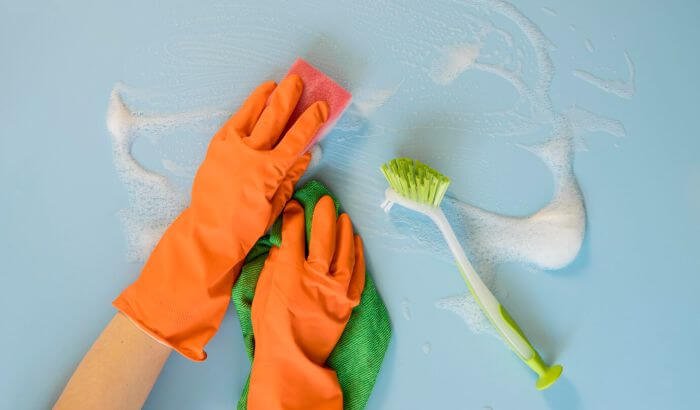
Summer cleaning checklist priorities should follow what warm weather actually changes: airflow, open-window dust, frequently used textiles, food waste and outdoor thresholds.
This is not a second spring clean. Start with the conditions that can make a UK home feel stale or difficult to maintain in summer, then fit the work around normal weekly cleaning. The result is a practical sequence you can print, save or divide across several days.
Clean what summer changes first
- Check window frames, bathroom corners and other damp-prone areas before cleaning. Recurring damp, leaks or spreading mould need their source addressed.
- Remove loose pollen and dust from high surfaces, fans, vents, frames and sills before vacuuming floors.
- Wash frequently used bedding, removable covers and washable summer textiles according to their care labels, then dry them fully.
- Clean food-contact areas, fridge spills, bin lids and the floor around bins before odour or residue spreads.
- Sweep entrances, balconies and patios before using a cleaner matched to the surface and manufacturer guidance.
- Choose one-off tasks by need, then keep only the high-traffic and food-waste jobs in the weekly routine.
Key Takeaways
- Inspect damp, powered equipment and access risks before starting.
- Remove dry pollen and dust before using damp methods.
- Follow care labels and dry summer textiles completely.
- Prioritise food residue, bins and busy thresholds each week.
- Route faults, recurring mould, pests and unsafe access to the right specialist.
Table of Contents
Summer cleaning checklist for UK homes
Use the table as a working checklist. The timing is a practical starting point, not a rule for every household. Homes with pets, open windows, young children, allergies, renovation dust or heavy foot traffic may need a different rhythm.
| Zone | Summer task | Safe limit | When to do it |
|---|---|---|---|
| Windows and airflow | Dust frames, sills, accessible vents and fan guards; clean reachable glass | Do not dismantle powered equipment or lean outside | At the start of summer, then when visibly dusty |
| Living and sleeping areas | Dust high to low, vacuum edges, wash labelled covers and refresh bedding | Do not wet-clean unknown upholstery or overfill filters | Weekly maintenance plus one seasonal reset |
| Kitchen and bins | Remove food residue, clean fridge spills, bin lids and nearby floors | Keep chemicals away from food and follow appliance instructions | Food spills promptly; bins and touchpoints weekly |
| Bathroom | Dry wet surfaces, clean accessible ventilation covers and check recurring damp | Cleaning does not repair leaks or ventilation faults | Weekly, with source checks when damp returns |
| Entrance and outdoor edge | Shake mats, vacuum thresholds, sweep balcony or patio debris | Use only a method compatible with the installed surface | Weekly in busy periods; deeper clean as needed |
| Holiday preparation | Empty perishables, wash dishes, remove waste and leave laundry dry | Do not leave wet textiles, mixed chemicals or powered cleaning equipment unattended | Before travel and after returning |
Start with heat, damp and airflow
Warm weather can make an existing moisture problem more noticeable. Cleaning alone cannot diagnose the cause. Look around window frames, seals, bathroom corners, under sinks and behind furniture where safe access is available. A one-off patch of surface soil needs a different response from a recurring wet area, damaged seal, leak or expanding mould growth.
Use a simple inspection route
- Look for active moisture, staining, damaged seals and any change since the previous clean.
- Photograph a recurring area before wiping it so the pattern can be compared later.
- Remove only accessible surface soil using a method compatible with the finish.
- Dry the area as directed and check whether moisture returns before repeating treatment.
Remove loose dust from accessible fan guards and vents with the power isolated if the manufacturer directs it. Filters should be cleaned or replaced only as described in the appliance manual. A kitchen or bathroom unit has electrical and mechanical parts, so use the dedicated method to clean extractor fan surfaces without assuming every cover is removable or washable.
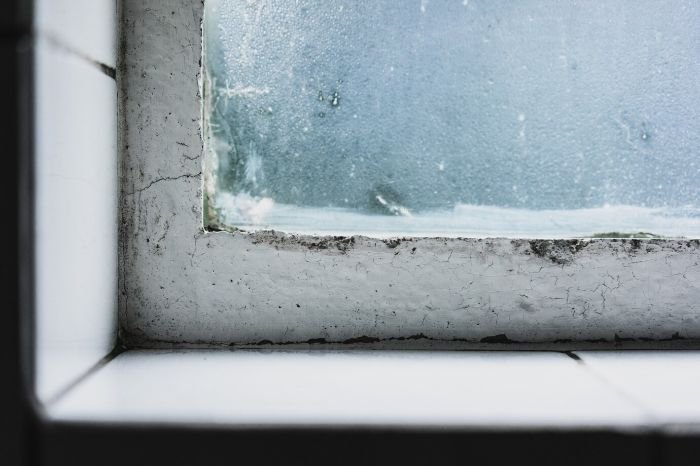
Ventilate when outdoor conditions and household security make it sensible. Fragrance is not ventilation. If damp returns quickly, a musty smell persists or material is damaged, stop repeating surface cleaning and investigate the source.
Control pollen and open-window dust
Open windows, dry outdoor spaces and more movement between the garden and home can increase visible dust and tracked-in debris. Work from high surfaces towards the floor so settled material is collected once. Start with fan guards, tops of wardrobes, shelves, frames and sills, then move to tables, seating edges, skirting boards and floors.
Use a clean microfibre cloth or the tool recommended for the finish. A slightly damp cloth may help collect fine dust on compatible sealed surfaces. Unfinished wood, electronics and delicate coatings need their own care instructions. Our guides to dust furniture and reach hard-to-reach places cover the detailed tool choices.
Give every cloth and attachment one clear job. A cloth used on a greasy kitchen surface should not move straight to a bedroom shelf. Fold cloths into clean working faces, change them when visibly soiled and launder reusable items according to their care instructions. This reduces the chance of dragging residue across several rooms.
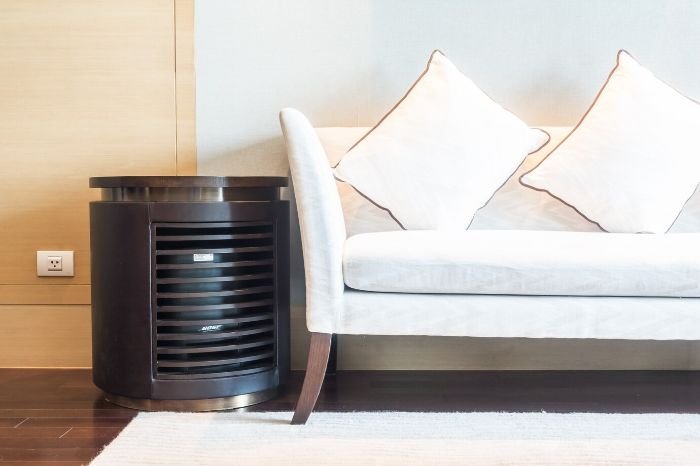
Vacuum soft furnishings and floors using the appropriate attachment, empty or replace the dust container as instructed and check that filters are seated correctly. If you use an air purifier, maintain its filter and clearance according to its manual. Do not promise that one appliance or cleaning session will remove every airborne trigger.
Clean windows without creating another risk
Dust frames and tracks before washing glass. Change dirty water or cloths before they redeposit soil, and work only from a stable position. Ground-level exterior glass may be manageable with the right tool. Upper-storey access, leaning from windows and unsuitable ladders are not routine household cleaning jobs.
You may also enjoy:

Wash summer fabrics and treat stains early
Summer textiles often include lighter bedding, removable cushion covers, picnic blankets, washable curtains and frequently used towels. Read every care label, separate colours when required and avoid overloading the machine. Dry items completely before folding, covering furniture or placing them back in storage.
Deal with marks by stain type instead of reaching for one universal mixture. Blot fresh spills without rubbing them wider. Oily sun cream stains and protein or deodorant-related sweat stains need different pre-treatment decisions. Check the fabric label and product instructions before using heat or putting the item in a tumble dryer, because heat can make some remaining marks harder to remove.
Mattresses, upholstery and lined curtains should not be soaked simply because the day is warm. Excess moisture can remain inside padding or layered fabrics after the surface feels dry. Use the material-specific method, provide airflow and allow enough drying time before reuse.
Work in batches that can dry the same day. Strip one bed, wash one group of covers and finish one upholstery task before starting another moisture-heavy job. Keep clean and used textiles separate, and do not place a freshly washed cover over padding that is still damp. If colour transfers during a hidden-area test or the care label excludes washing, stop and use the specified professional route.
Book a Summer Deep Clean
Enter your postcode to view our rates and availability in your area.

Keep kitchens and bins ahead of odour
Begin with food and waste. Covering smells does not remove their source. Remove expired or spoiled food, wipe fridge spills promptly, wash reusable food containers and clean the surfaces around bins. Keep raw-food residue separate from ready-to-eat preparation areas, use the product as labelled and rinse food-contact surfaces when the instructions require it.
Follow a clean-to-dirty order. Clear and clean food-preparation space first, then handles and appliance fronts, followed by the bin area and floor. Use separate cloths where cross-contamination is plausible. Return chilled food promptly and avoid leaving a fridge door open for an extended whole-appliance clean unless the manufacturer’s instructions support the process.
Empty indoor waste before it leaks or becomes difficult to contain. Clean the bin lid, handle, rim and the floor beneath it, then let washable parts dry before adding a new liner. Outdoor bins should remain closed and positioned according to local arrangements. Cleaning can remove accessible residue. An active pest problem needs suitable pest-control advice, not stronger fragrance or improvised repellents.
Sweep outdoor thresholds before wet cleaning
Start at the transition between outside and inside. Shake or vacuum doormats, remove loose debris from thresholds and sweep patios or balconies before adding water. This prevents grit and wet soil being carried back across indoor floors.
Identify the installed material before choosing a brush, detergent or machine. Timber, composite boards, stone, concrete, coatings and metal furniture do not share one safe method. Patch-test a compatible product where the manufacturer recommends it, protect plants and drainage routes, and stop if a coating lifts, colour transfers or the surface becomes rougher.

Pressure washing is not a default deep-cleaning step. It can affect joints, coatings, soft timber and adjacent materials when the equipment or setting is unsuitable. Follow the surface maker’s guidance and use the separate deck cleaning route for material diagnosis and stop signals.
Prepare the home before and after a holiday
Before leaving, deal with the tasks that become unpleasant when ignored. Remove perishables that will expire, wash dishes, empty waste, dry damp cloths and towels, and leave laundry fully dry. Check that cleaning products are closed and stored in their normal safe place. Do not create unlabelled mixtures for somebody else to identify later.
On return, ventilate if appropriate, inspect for leaks or unusual odours, then reset the entrance, kitchen and bedrooms. Vacuum tracked-in soil before damp cleaning. If the property has been closed for a long period and there is widespread mould, pest activity, standing water or an electrical concern, do not begin with ordinary cleaning.
Weekly or once per summer?
| Keep in the weekly routine | Do once or when needed |
|---|---|
| Vacuum busy floors, entrances and visible soft-furnishing debris | Dust accessible fan guards, high ledges and the tops of storage units |
| Clean kitchen preparation surfaces, food spills and bin touchpoints | Wash compatible window glass, frames and tracks |
| Dry bathroom surfaces and watch for recurring damp | Wash labelled removable covers, light bedding and seasonal textiles |
| Wipe visible dust from compatible furniture and sills | Clean patios, balconies or outdoor furniture by material |
| Remove waste before liners leak or overflow | Review storage, holiday preparation and unused winter items |
Choose the smallest routine that prevents the same work from building up again. A household that keeps windows closed may have less incoming dust and a greater need to inspect ventilation. A home with garden access may need more frequent threshold and floor care. Visible conditions should guide frequency.
Do not schedule every deep task for the same hot afternoon. Put dry work such as decluttering, high dusting and vacuuming before wet work. Leave adequate time for floors, textiles and outdoor furniture to dry. If several people share the home, assign complete zones or clearly defined tasks so nobody unknowingly repeats a chemical treatment or handles powered equipment that another person has opened.
How Samyx Cleaning can help with a summer reset
A seasonal reset can cover accessible dusting, vacuuming, surface cleaning, kitchen and bathroom tasks, labelled textile care and routine outdoor tidying. It does not repair a ventilation fault, stop a leak, remediate widespread mould, remove an infestation, restore damaged finishes or make unsafe access acceptable.
Before requesting a quote, list the rooms, the visible condition, the tasks that matter most and any access or material concerns. Mention pets, delicate finishes, heavy build-up and areas that should remain untouched. A clear scope helps separate ordinary cleaning from work that needs an appliance engineer, pest controller, mould specialist, exterior contractor or material restorer.
For a home that needs several rooms brought back to a manageable baseline, Samyx can discuss an agreed one-off cleaning scope. Confirm the property, access, priorities and exclusions before booking. Specialist repairs and treatments remain separate.
Important: Follow appliance, filter, fabric, surface and cleaning-product instructions over general guidance. Isolate power where the manufacturer directs it, keep liquid away from electrical parts and never mix cleaning products. Work only from stable ground-level access. Stop and seek suitable help for recurring damp or mould, leaks, pest activity, damaged materials, powered-equipment faults or any area you cannot reach safely.
Plan a One-Off Deep Clean
Enter your postcode to view our rates and availability in your area.
Author: Svetlana Georgieva (Clara)
Hi, I’m Svetlana Georgieva, but you can call me Clara. As the co-founder and heart behind Samyx Cleaning, I’m devoted to sharing the art of a clean space. Let’s journey into a cleaner, more joyful life together with tips from London's cleaning experts.

Discover more of our cleaning secrets: