
Speed Cleaning: A Faster Whole-House System

Last modified on: 03/08/2026
Speed cleaning is a controlled whole-house reset that protects the most visible and hygienically important tasks before the timer ends. It works by choosing a realistic outcome, carrying one compact kit and following one route without darting between rooms or trying to complete deep-cleaning jobs at pace.
Use one route and protect the highest-value tasks
- Choose the outcome before starting: guest-ready, hygienic in the kitchen and bathroom, or a balanced whole-house reset.
- Load a portable caddy and take one basket for items that belong elsewhere. Missing tools should not break the route.
- Move through each room once, working high to low and completing dry tasks before compatible wet cleaning.
- Give products the label-specified contact time and complete a safe nearby task; never mix products or shorten safety controls.
- Stop when the timer ends. Record baked-on residue, heavy limescale, repairs and specialist risks for a deeper, suitable session.
Key takeaways
- A fast clean needs a defined finish line; it is not every cleaning task performed more quickly.
- One caddy, one collection basket and one room-to-room route reduce wasted walking.
- High-to-low and dry-before-wet sequencing prevents cleaned surfaces from being soiled again.
- Kitchens and bathrooms usually deserve priority when hygiene matters more than appearance.
- Labels, safe contact time, ventilation and stop rules still apply when the clock is running.
Table of Contents
Speed cleaning starts with a fixed route
A timer creates focus only after you decide what success looks like. The presentable reset targets entrances, obvious clutter, food-contact areas, the toilet, basin and visible floors. A hygiene-first route gives more time to kitchen and bathroom touchpoints. The balanced route touches each main room and leaves hidden dust, scale, oven residue and detailed edges for another session.
| Time | Priority | Actions | Defer or stop |
|---|---|---|---|
| 0-3 minutes | Prepare | Ventilate where appropriate, load the caddy, clear floor hazards and start the timer | Do not begin without the correct labelled products and cloths |
| 3-7 minutes | Collect | Gather rubbish, dishes, laundry and misplaced items into their correct container | Do not sort drawers, paperwork or storage |
| 7-13 minutes | Kitchen | Clear the sink, treat compatible worktops, wipe touchpoints and remove visible crumbs | Park oven interiors, heavy grease and overflowing cupboards |
| 13-19 minutes | Bathroom | Clean the toilet and basin, wipe safe touchpoints and deal with fresh splashes | Park heavy scale, blocked drains and damaged sealant |
| 19-24 minutes | Living and sleeping areas | Reset cushions and bedding, dust visible surfaces and clear the main route | Park wardrobes, upholstery extraction and detailed ornaments |
| 24-30 minutes | Floors and final reset | Vacuum priority routes, clean suitable hard-floor spots and return the kit | Stop for wet-floor risk, damaged cables, sharps or unknown contamination |
Use the table as an allocation, not a promise. A larger home, several occupants, pets, mobility needs or accumulated soil changes what fits into half an hour. If the kitchen needs twelve minutes, take them from a lower-priority room so no product is left half removed and no wet floor remains unsecured.
Choose a start and finish point
Start at the room furthest from the place where you will empty the caddy, then finish near that exit or utility point. Within a room, work clockwise or left to right. This makes skipped surfaces visible and prevents repeated crossings. Carry rubbish and laundry out as part of the route. Place unrelated objects in the collection basket and return them in one later circuit.
Work from higher accessible surfaces towards the floor. Remove dry crumbs, dust and hair before introducing moisture. If a labelled cleaner needs contact time, apply it to a compatible surface, keep the area controlled and complete another safe task nearby. Return within the stated time to remove or rinse it as directed; do not let it dry merely because the timer is running.
Build a portable kit before the timer starts
The kit should cover the chosen route, not every possible stain. A practical starting set is labelled surface cleaner, glass cleaner where required, separate bathroom cleaner, reusable cloths, a non-scratch sponge, small rubbish bags and suitable gloves. Add a duster or vacuum attachment only when the route includes those surfaces. The best cleaning tools are the ones compatible with the home and ready to use.
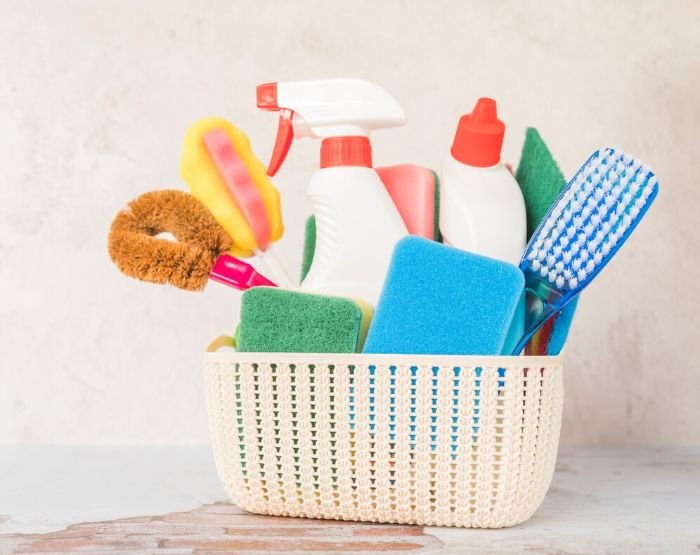
Separate cloths by task so a toilet cloth cannot reach the basin or kitchen. A simple colour system can help. Colour alone is not hygiene control: keep used cloths in a separate bag and launder them according to the material and product instructions. Check bottles for readable labels and secure caps. Never decant a cleaner into an unlabelled drinks container.
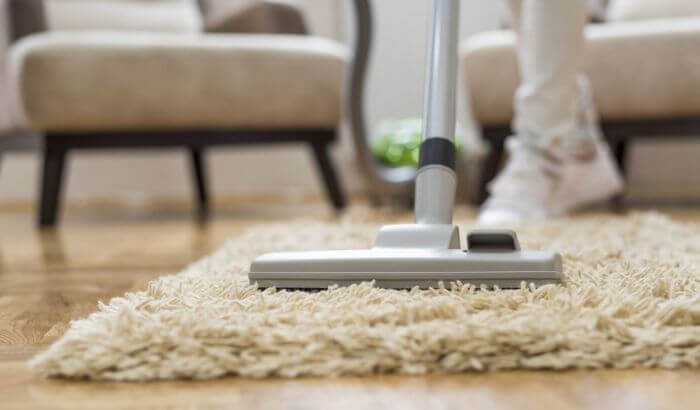
Keep the vacuum assembled, emptied as directed and fitted with a suitable attachment. Reduced airflow, a full container or hair around a brush roll slows the route and may spread odour. Deal with those faults through the proper vacuum care process before starting the timed clean.
Ask About Regular Cleaning
Enter your postcode to view our rates and availability in your area.

Clean faster by reducing decisions and repeat work
Most lost time comes from changing the plan: searching for a cloth, carrying one object upstairs, re-wiping a surface or beginning a job that cannot be finished. Set three priority levels before the timer. Level one covers hygiene and immediate hazards. Use level two for visible order and main traffic routes. Reserve level three for detailed or hidden work that happens only if time remains.
Use a short written route until it becomes familiar. Tick completed zones, not individual micro-tasks. If the same obstacle appears repeatedly, change the system between sessions: store the vacuum where it is accessible, keep replacement bags with the bin liners, or add a washable tray near an untidy entrance. Do not spend the timed session reorganising the whole house.
Do not clean around movable clutter
Move dishes to the sink, laundry to its basket, rubbish to the bag and everything else to one collection container. Wiping around loose objects creates dirty outlines and makes each surface slower. After the cleaning route, take the basket through the home once. If it contains possessions without a clear home, use the separate decluttering process later so the cleaning timer does not become a sorting session.
Follow a short room-by-room route
Give the kitchen a six-minute hygiene pass
Remove food, rubbish and loose dishes first. Load the dishwasher when the items and machine are suitable, or stack hand-washing safely beside the sink. Clear enough worktop to clean it properly. Remove dry crumbs before applying the surface-compatible product, then follow its dilution, contact-time and rinsing directions, especially on food-contact areas.
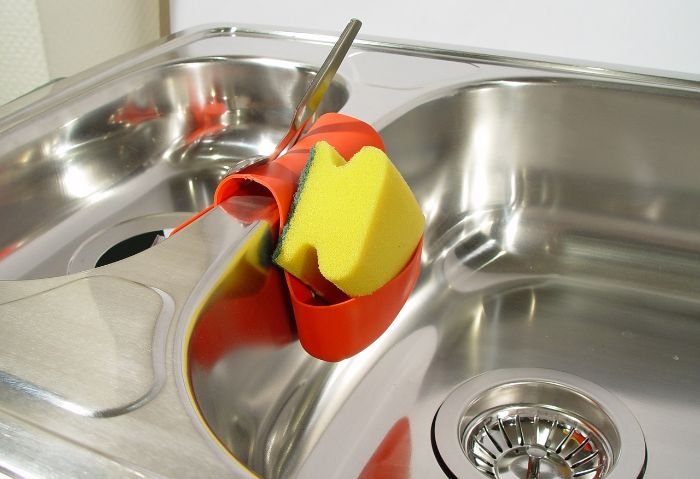
Wipe the fridge handle, cupboard pulls and the safe exterior controls used during food preparation. Clean fresh hob splashes only after the appliance is off and cool and the manufacturer permits the method. Leave burnt deposits, hot components, damaged glass, grease inside an appliance and electrical faults for an appropriate later task. Finish with the sink and tap so dirty water from earlier steps does not undo the work.
Use a separate cloth route in the bathroom
Ventilate where possible and remove towels or products that block the surfaces. Apply the correct toilet product according to its label, close or control the area, then clean the basin and compatible touchpoints with separate tools. Return to the toilet within the stated contact time. Work from the cleaner exterior areas towards the bowl and keep that cloth out of every other zone.
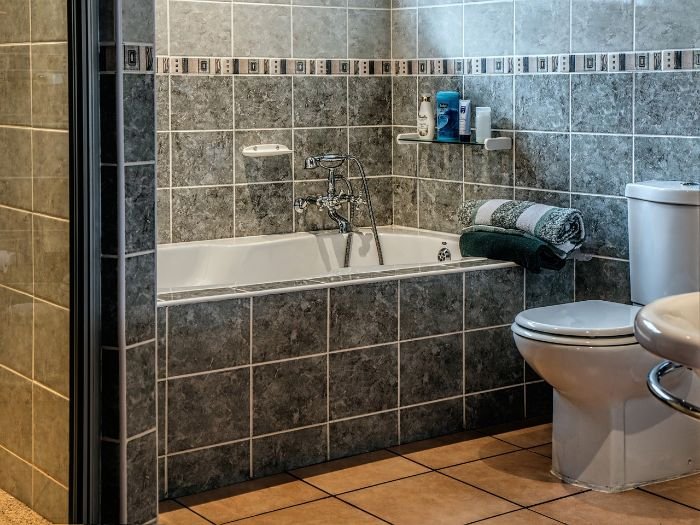
Remove fresh splashes from the bath or shower only when the surface and product are compatible. Heavy limescale, mould across a large area, failed sealant, a blocked drain or an unstable fitting is not a speed task. Do not combine an acidic scale remover with bleach or another cleaner. Keep the floor dry until the end, then clean it without trapping anyone behind a wet route.
Reset living rooms and bedrooms without overworking them
Open curtains or blinds safely, remove rubbish and return cushions to their usable position. Dust the most visible reachable surfaces with a suitable dry or slightly damp method, checking delicate finishes first. The fuller living-room routine can cover ornaments, upholstery and less visible edges on another day.
In bedrooms, make or straighten the bed, collect laundry and clear the walking route. Do not push items under the bed or into a wardrobe to create a temporary appearance of order. Dust the bedside surface and obvious reachable ledges, then vacuum the exposed traffic area. Detailed mattress care, wardrobe sorting and moving heavy furniture sit outside a timed reset.
Finish floors without cleaning yourself into a corner
Vacuum the main route after higher surfaces are complete. Use deliberate overlapping passes with controlled movement; one complete pass over an open area is more useful than repeatedly stopping for objects. Pick up visible debris first and stop for coins, cables, liquid, broken glass or anything that could damage the machine.
For hard floors, follow the flooring and product instructions. Use only the necessary moisture and begin at the point furthest from the exit. Keep people and pets away until the floor is dry. Spot cleaning may fit the timer; a full wash may not. Never save time by leaving slippery residue or placing rugs back on damp flooring.
You may also enjoy:

Choose a 10-, 20-, 30- or 60-minute route
Ten minutes: make the entrance and shared space presentable
Collect rubbish and obvious clutter, clear the entrance route, reset cushions and wipe one safe, visible surface. Use the final minutes on crumbs or debris in the main traffic area. This is a guest-facing reset, not evidence that the kitchen, bathroom or whole home is hygienically clean.
Twenty minutes: protect kitchen and bathroom priorities
There is no single official 20-minute rule. A useful version is a bounded circuit: three minutes to collect, seven for the kitchen, six for the bathroom and four for floors or the most visible room. Change the split when one area has an immediate hygiene need. Do not claim completion simply because the clock reaches zero.
Thirty minutes: complete the balanced route
Use the route table when surfaces are already maintained and tools are ready. If a room has heavy buildup, reduce the number of rooms or switch to a hygiene-first outcome. A half-hour reset is most consistent when repeated before clutter, scale and residue accumulate.
Sixty minutes: add one planned maintenance task
Complete the basic route, then choose one deeper task with a clear finish: clean accessible skirting in one room, deal with an approved appliance surface or wash a suitable floor fully. Use a rotation from your monthly cleaning tasks and avoid opening several unfinished jobs.
Avoid the shortcuts that create more work
- Spraying every surface at once: contact times differ, access becomes unsafe and product may dry where it should be removed.
- Using one cloth everywhere: this moves food residue, bathroom soil and product from one zone to another.
- Starting with the floor: later dusting and crumb removal soil it again.
- Hiding clutter: filling cupboards or pushing objects under furniture delays the decision and blocks future cleaning.
- Chasing every mark: an old stain or heavy deposit can consume the whole timer and may need a material-specific process.
Another common mistake is treating speed as physical rushing. Fast turns, overloaded hands and hurried cable management increase the chance of falls, dropped bottles and damaged objects. Keep a controlled pace, place the caddy where it cannot block a doorway and carry only what you can control. The efficiency should come from fewer journeys and clearer priorities.
Reset the system when the session ends. Empty rubbish, separate used cloths, clean tools as directed, maintain the vacuum and return each labelled product to secure storage. Note the deferred task in a visible list with the room and problem. That two-minute close prevents the next session from beginning with missing supplies or an unidentified half-treated surface.
Review the route after several sessions. If one room always overruns, change its allocation or remove a lower-value task; do not quietly compress product safety, drying or tool care to preserve the original timetable.
What should never be rushed?
- Product safety: reading labels, measuring dilution, ventilation, protective equipment, contact time and rinsing.
- Work at height: unstable steps, overreaching, carrying liquids on a ladder or cleaning above people.
- Heat and electricity: hot ovens, powered appliances, damaged cables, liquid near sockets or equipment that should be isolated first.
- Sharps and broken material: glass, needles, blades or unidentified objects hidden in rubbish or fabric.
- Biological or unknown contamination: sewage, bodily fluids, pest residue, extensive mould or an unknown chemical spill.
A fast method reduces unnecessary movement; it does not remove risk. Pause the timer, isolate the area and use the correct guidance or specialist route. The same rule applies when a surface changes colour, a finish softens, a fixture moves, a smell causes symptoms or the job cannot be completed without mixing products.
When speed cleaning stops being enough
How Samyx Cleaning can help
Move the work to a deeper session when residue is baked on, scale covers a wide area, grease has reached cupboards and walls, or dust is established behind furniture and at room edges. Carpet extraction, upholstery treatment, oven interiors, extensive mould, repairs and end-of-tenancy requirements also need their own scope, equipment or risk controls.
Regular professional support can keep routine work from accumulating. Samyx Cleaning provides domestic cleaning in London according to the booked time and agreed priorities. The condition, size and access of the home determine what can be completed; a booking is not a promise that every task will fit an arbitrary 20- or 30-minute route.
Before booking, list the rooms that matter most, identify any materials needing special care and disclose hazards or products already used. Keep deep, end-of-tenancy, carpet, upholstery and specialist needs separate so the service can be matched correctly. A clear priority list gives a better result than asking for the whole home to be cleaned “as fast as possible”.
Book Domestic Cleaning
Enter your postcode to view our rates and availability in your area.
Frequently asked questions
-
How to do a speed clean?
Choose a realistic outcome, load one portable kit and take one basket for misplaced items. Move through each room once, working high to low and dry before wet. Prioritise kitchen and bathroom hygiene, finish the main floor route and park deep or unsafe tasks when the timer ends.
-
How do I clean faster?
Reduce decisions and repeat walking. Keep tools ready, follow the same room order, collect unrelated items in one basket and finish one zone before moving on. Use product contact time for a safe nearby task without shortening label directions or other safety controls.
-
What is the 20 minute rule of cleaning?
There is no single universal standard. A practical version is a bounded 20-minute circuit with a fixed stop time and chosen priorities. For example, collect for three minutes, clean the kitchen for seven, the bathroom for six and use four minutes on floors or the most visible room.
-
Does speed cleaning replace deep cleaning?
No. Speed cleaning maintains visible order and selected hygiene priorities. It does not replace work on heavy grease, limescale, hidden dust, appliance interiors, carpets, upholstery, repairs, extensive mould or contamination that needs specialist controls.
Important: Product labels and surface or appliance manufacturer instructions take priority over general timing advice. Use the stated dilution, ventilation, protective equipment, contact time and rinsing, and never mix cleaning products. Keep children and pets away until products are cleared and floors are dry. Stop for work at height, heat, electricity, sharps, bodily fluids, sewage, unknown contamination, extensive mould, damage or symptoms after exposure, and seek the appropriate manufacturer, medical or specialist advice.
Author: Svetlana Georgieva (Clara)
Hi, I’m Svetlana Georgieva, but you can call me Clara. As the co-founder and heart behind Samyx Cleaning, I’m devoted to sharing the art of a clean space. Let’s journey into a cleaner, more joyful life together with tips from London's cleaning experts.

Discover more of our cleaning secrets: