
Best Cleaning Tools for Busy Professionals at Home

Last modified on: 12/09/2026

Best cleaning tools for busy professionals should remove friction from routine jobs: less setup, fewer trips between rooms and fewer repeat passes. A compact kit built around vacuuming, wiping, mopping and detail work often saves more time than a cupboard full of single-purpose gadgets.
Start with the mess you deal with most often, then choose tools quick to reach, easy to maintain and suitable for the surfaces in your home. Smart gadgets can help, but only when they reduce work after setup, storage and maintenance are counted.
Which cleaning tools save the most time at home?
- Use a cordless vacuum for dry debris, stairs and quick floor passes without cable setup.
- Keep separate microfibre cloths for kitchen, bathroom and general surfaces so a clean cloth is always ready.
- Choose a flat mop with washable pads for hard floors, then match the pad and solution to the floor finish.
- Carry a small caddy with a surface-safe brush, non-scratch sponge and squeegee instead of collecting single-purpose gadgets.
Key Takeaways
- A small core kit handles more routine cleaning than a collection of specialised gadgets.
- Choose by task, surface and storage space before comparing extra features.
- Washable cloths and mop pads are useful only when clean replacements are ready for the next job.
- Robot vacuums, handheld vacuums and steam cleaners are conditional tools, not automatic upgrades.
Table of Contents
Find the cleaning jobs wasting the most time
Cleaning speed is often lost before the actual wiping or vacuuming begins. Looking for attachments, carrying bottles between rooms, untangling a cable or finding a clean mop pad can turn a two-minute task into a job you postpone.
For a busy household, a tool earns its place when it is quick to start, handles a recurring task well and can be put away without a separate maintenance session. A large gadget with several attachments may be useful for occasional work, but it can be slower than a basic tool for everyday crumbs, dust or bathroom water marks.
Think in recurring jobs rather than product categories. Dry debris needs suction or sweeping. Loose dust needs a cloth or duster. Hard floors need a compatible mop system. Small edges need a brush. Wet shower surfaces benefit from water removal before marks build up.
Best cleaning tools for a compact home kit
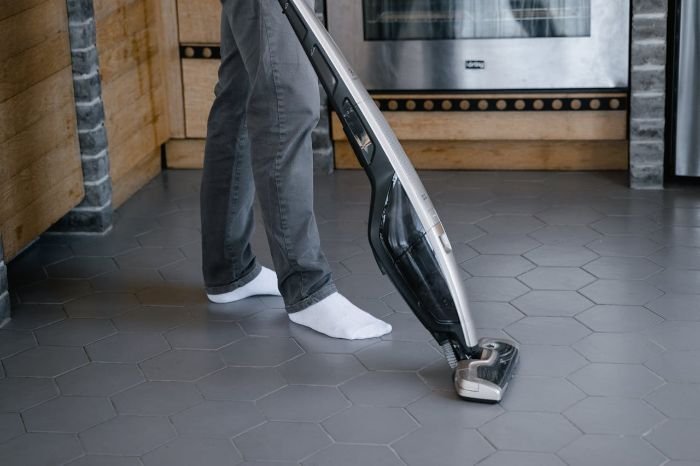
1. Cordless vacuum for fast dry pickup
A cordless vacuum is useful when the main goal is to remove crumbs, hair and loose soil without setting up a full-size machine. Weight and balance matter as much as suction if you carry it upstairs or use it on furniture. A crevice tool and an upholstery attachment can also replace separate small devices.
Check runtime against the size of your home rather than buying by the largest battery figure. Also look at how easily the bin empties, whether filters are accessible and whether replacement parts are available. If filtration is a priority, check the manufacturer’s specification for the complete filtration system rather than relying on a filter label alone. For upkeep, see the guide to cleaning a vacuum cleaner and restoring suction.
2. Microfibre cloths separated by task
Microfibre cloths cover dusting, wipe-downs and drying without taking much storage space. Keep kitchen, bathroom and general-use cloths separate. Colour coding is one practical way to avoid mixing tasks when several cloths are in circulation.
Fold a cloth into several working faces and turn to a clean face as it loads with soil. Wash used cloths according to their care label and let them dry fully before storage. The separate guide on microfibre cloth selection and care covers weave, uses and laundering in more detail.
3. Flat mop with washable pads
A low-profile flat mop reaches under furniture and covers open hard-floor areas quickly. Washable pads also let you keep a clean spare ready rather than stopping when one pad becomes loaded.
Match the pad, moisture level and cleaning product to the floor finish. Timber, laminate, stone and resilient flooring can have different care limits, so the floor manufacturer’s instructions take priority over a generic mop routine. More liquid is not a shortcut if the floor should only be damp-cleaned.
4. Surface-safe brush and non-scratch sponge
Small brushes reach tap bases, tracks, edges and textured fittings where a cloth has poor contact. A non-scratch sponge handles broader marks on compatible surfaces. The useful distinction is not hard versus soft cleaning, but whether the tool is safe for the finish being cleaned.
Abrasive pads and stiff bristles can mark softer finishes. Keep one gentler option for delicate surfaces and use stronger mechanical action only where the material can tolerate it. The brush and sponge selection guide explains where different tool types fit.
5. Squeegee for shower glass and smooth wet surfaces
A squeegee is valuable because it removes water rather than waiting for droplets to dry on smooth glass or tile. Keeping one in the bathroom makes a short after-shower pass easier than treating built-up marks later.
Use it only on smooth compatible surfaces and keep the rubber edge clean. A damaged or dirty blade can leave streaks and drag grit across the surface.
6. Compact caddy for the products you actually use
A caddy is not a cleaning device, but it removes one of the biggest sources of wasted movement: repeated trips to a cupboard. Keep the load small enough to carry comfortably and stock only the products and tools used across several rooms.
Bulky bottles, duplicate sprays and rarely used attachments make the caddy slower rather than faster. Store specialist products separately and bring them out for the task they belong to.
Quick comparison: which tool solves which job?
The best choice depends on the job causing delay in your home. Use the comparison below as a shortlist before adding another gadget.
Tool
Best for
Why it earns space
Check before buying
Cordless vacuum
Dry debris, floors, stairs, upholstery
Fast pickup with little setup
Weight, runtime, attachments, filter access
Microfibre cloths
Dusting and wipe-downs
Reusable and easy to assign by room
Care instructions and separate task colours
Flat mop
Routine hard-floor cleaning
Wide coverage with washable pads
Floor compatibility and moisture limits
Detail brush
Edges, fittings and narrow gaps
Targets small areas without bulky equipment
Bristle stiffness and finish sensitivity
Squeegee
Shower glass and smooth wet surfaces
Removes water in a few passes
Smooth, compatible surfaces only
Cleaning caddy
Moving supplies between rooms
Cuts repeated trips to storage
Size and loaded weight
When smart cleaning gadgets are worth the space
Automation can reduce repeated floor work, but a smart device still needs a suitable layout, clear access and routine care. Buying a gadget because it is automated does not mean it will save time in every home.
Robot vacuum: useful for repeat floor maintenance
A robot vacuum makes the most sense where floors stay reasonably clear and the machine can run often without cables, small objects or thresholds stopping it. It can reduce loose debris between manual cleans, especially across larger open floor areas.
It still leaves work around stairs, tight edges, upholstery and spots needing immediate attention. The dock, brushes, sensors and bin also need care. Count those tasks before deciding whether automation fits your routine.
Handheld vacuum: useful for frequent local mess
A handheld vacuum can earn its storage space in homes where crumbs, sofa debris, car interiors or pet-related mess appear often. It is less useful when a lightweight cordless stick vacuum already converts quickly for the same jobs.
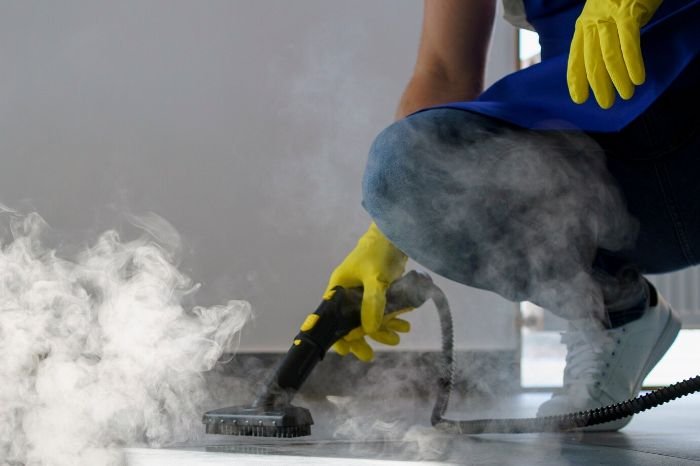
Steam cleaner: useful only on compatible surfaces
A steam cleaner can help with selected sealed, heat-tolerant surfaces, but it should not be treated as a universal multipurpose tool. Heat and moisture can be unsuitable for some flooring, finishes, fabrics and bonded materials. Check the care instructions for the surface and the steam cleaner before use.
Choose cleaning tools by friction, not feature count
Setup time
If a tool takes longer to assemble than the job takes to clean, it will probably stay in storage. For recurring work, favour tools ready to pick up and use with one or two actions.
Storage and access
Compact homes reward vertical storage, nesting tools and shared attachments. A tool stored behind several other items creates friction every time it is needed. Give high-frequency tools the easiest access and move occasional equipment farther back.
Maintenance between uses
Washable pads, reusable cloths and bagless vacuums still create upkeep. Look at filter cleaning, drying time, brush hair removal and replacement consumables before buying. A low-maintenance tool is one whose care fits naturally after the job, not one with no maintenance at all.
Surface compatibility
A tool is efficient only when it can be used safely on the surface in front of you. Keep abrasive action, moisture and heat within the material’s care limits. Test an unfamiliar method in a discreet area where appropriate and follow product and surface instructions.
Build a cleaning kit ready in ten minutes
Keep the core kit ready rather than rebuilding it before every clean. Return the vacuum to charge, wash and dry cloths and mop pads, rinse brushes, wipe the squeegee blade and restock the caddy after use. The next cleaning session then starts with the job rather than preparation.
- Vacuum or collect loose debris before wet work.
- Work with one caddy instead of carrying individual products back and forth.
- Use separate clean cloth faces as you move through surfaces.
- Mop hard floors after higher surfaces so fallen dust is collected once.
- Clean and reset the tools before storing them.
If the larger problem is finding a workable routine rather than choosing equipment, use the separate guide on maintaining a clean home with a busy schedule. It covers task frequency and workload without turning the tool list into a cleaning calendar.
When better tools stop solving the time problem
There is a point where another tool does not remove the real constraint: available time. If recurring kitchen, bathroom, dusting, vacuuming and floor work keeps moving into evenings or weekends, a regular domestic cleaning service in London can take over scheduled household cleaning while a small kit remains available for spills and day-to-day upkeep.
The practical choice is to compare the time spent cleaning, maintaining equipment and storing it against the tasks you still postpone. If the backlog remains after the toolkit is simplified, adding more equipment is unlikely to fix the workload.
Need a cleaning service?
Enter your postcode to view our rates and availability in your area.

FAQ
-
What are the best cleaning tools for busy professionals?
A cordless vacuum, microfibre cloths, a flat mop, a surface-safe brush, a non-scratch sponge, a squeegee and a compact caddy cover most routine jobs without taking over storage space.
-
Are cordless or robot vacuums better for busy homes?
A cordless vacuum suits quick targeted cleaning and stairs. A robot vacuum suits mostly clear floors and repeat maintenance. Homes with both needs may benefit from both, but a robot does not replace edge, stair or spot cleaning.
-
How many microfibre cloths should I keep?
Keep enough clean cloths to separate kitchen, bathroom and general surface work, with spare cloths available while used ones are being washed and dried. Colour coding makes the separation easier to follow.
-
Is a steam cleaner worth buying for quick cleaning?
Only when the surfaces you clean can tolerate the heat and moisture and you will use it often enough to justify the setup and storage. Check the surface or appliance manufacturer’s care instructions before use.
-
Which cleaning tools work well in a small flat?
A compact cordless vacuum, flat mop, folded microfibre cloths, small caddy and one or two detail tools cover many small-flat jobs while taking up relatively little storage space.
-
How do I keep cleaning tools ready to use?
Empty the vacuum when needed, clean filters as directed, wash and fully dry cloths and mop pads, rinse brushes, and restock the caddy after use. A clean tool stored with its accessories is faster to pick up next time.
Author: Svetlana Georgieva (Clara)
Hi, I’m Svetlana Georgieva, but you can call me Clara. As the co-founder and heart behind Samyx Cleaning, I’m devoted to sharing the art of a clean space. Let’s journey into a cleaner, more joyful life together with tips from London's cleaning experts.

Discover more of our cleaning secrets: