
How to Mop Floors Properly: Best Mopping Techniques

Last modified on: 12/09/2026
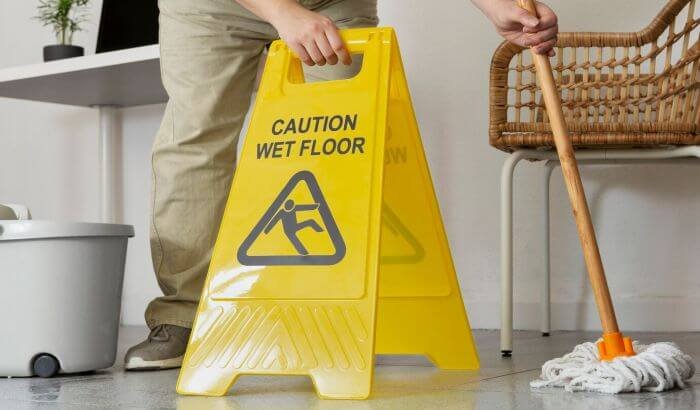
How to mop floors properly starts before the mop touches the surface. Remove loose grit first, match the amount of moisture to the floor finish, use a compatible cleaner, then work in a controlled pattern so dirty water is not spread back across the room.
The safest order for mopping a floor
- Sweep or vacuum first so grit does not turn into abrasive slurry under the mop.
- Check the floor care instructions and use only the moisture level and cleaner the finish can tolerate.
- Start at the far side of the room and work towards the exit with overlapping strokes.
- Rinse or change the pad as it soils, replace cloudy water, and let the floor dry before normal foot traffic resumes.
Key Takeaways
- Dry soil should come off before wet cleaning because grit can scratch finishes and muddy the cleaning solution.
- A flat microfibre mop suits many homes. Moisture level and floor compatibility matter more than mop shape alone.
- Wood and laminate need much tighter moisture control than most ceramic or porcelain tiles.
- More detergent does not mean more cleaning; excess product can leave a film that attracts soil and shows footprints.
- Steam, vinegar and homemade mixes are not universal floor-care methods. Check the flooring and product instructions first.
Table of Contents
Choose the Mopping Method by Floor Type
The same mop can behave very differently on sealed wood, laminate, tile and vinyl. The finish, joints and water resistance set the safe boundary, so floor care instructions should take priority over a generic recipe. For broader material-specific methods, see the floor cleaning methods guide.
Sealed wood
Remove grit first, use a well-wrung microfibre mop and leave as little surface moisture as practical. Standing water can reach joints and damage the finish or boards.
Laminate
Use a slightly damp pad and keep liquid out of the joints. Steam is suitable only where the flooring manufacturer specifically allows it.
Ceramic or porcelain tile
Tile usually tolerates more moisture. Cleaner residue can dull the surface, and dirty grout may need separate treatment.
Vinyl or LVT
Use a compatible neutral cleaner and controlled moisture. Steam can damage some resilient floors, so check the product care instructions before using it.
You may also enjoy:

Sweep or Vacuum Before You Mop
Loose grit, crumbs and hair should be removed before wet cleaning. Once water reaches dry soil, fine particles become a grey film that is harder to collect and can be pushed into joints, edges and grout lines.
A vacuum with the hard-floor setting is useful for fine dust, and a soft broom works well for larger debris. If you use a broom regularly, matching bristle type to the surface helps avoid scratches and missed dust; the separate guide to types of brooms covers that choice in more detail.
Pick a Mop That Matches the Job
Flat microfibre mops for controlled moisture
A flat microfibre mop is a practical default for many smooth domestic floors because the pad can be wrung or dampened precisely, turned as it soils and replaced without carrying a bucket of dirty solution across the room. Microfibre also works well for lifting fine particles left after dry cleaning. The fibre structure and care limits are covered in the microfibre cloth guide.
String mops for larger wet-cleaning areas
String mops hold more liquid and can cover larger washable floor areas quickly. Moisture control is harder. They are less suitable where the floor finish or joints need only a damp wipe. A two-bucket method can reduce soil transfer by keeping rinse water separate from fresh cleaning solution.
Steam mops only when the floor allows them
Steam should never be treated as a universal upgrade. Heat and moisture can affect joints, adhesives and finishes. Some water-resistant laminate products allow controlled low-power steam under specific conditions. Other floors prohibit it. Check both the flooring instructions and the steam-mop manual before use.
How to Mop a Floor Properly Step by Step
- Clear movable items so you can work in a continuous path without stepping back onto the wet floor.
- Sweep or vacuum the full area, including edges and around table or chair legs.
- Prepare the cleaner at the label dilution. If the floor manufacturer specifies a particular product type, follow that instruction.
- Wring the mop to the moisture level the floor can tolerate. Wood and laminate normally need a much drier pad than tiled wet areas.
- Start at the farthest point from the exit and use overlapping strokes. A figure-eight pattern works well in open areas because the leading edge keeps collecting soil and avoids pushing it into one line.
- Turn, rinse or replace the pad when it becomes visibly dirty. Change bucket water as soon as it turns cloudy so suspended soil is not carried across the next section.
- Let the floor dry fully before replacing rugs or allowing normal foot traffic, especially where a smooth finish becomes slippery when damp.
For several connected rooms, clean the least soiled area first and leave the dirtiest section until later. That sequence slows the transfer of greasy kitchen soil or bathroom residue onto cleaner floors. Use a fresh or thoroughly rinsed pad when moving between very different soil loads, and keep pets and people away from the wet route until it has dried. If the room has only one doorway, plan the last passes so you finish at that exit rather than walking back across the cleaned surface.
Figure-eight or back-and-forth motion?
Both motions can clean well when the mop stays in contact with the floor and each pass overlaps the previous one. A figure-eight pattern is useful in open areas because the same leading edge keeps collecting soil as the mop changes direction. Short back-and-forth strokes can be easier beside cabinets, skirting boards and narrow furniture gaps.
The bigger performance difference comes from contamination control. Once the pad is loaded with grey soil, changing the motion will not make it clean again. Turn the pad to a clean face, rinse it properly or replace it before continuing.
Use Spot Mopping for Spills and Sticky Marks
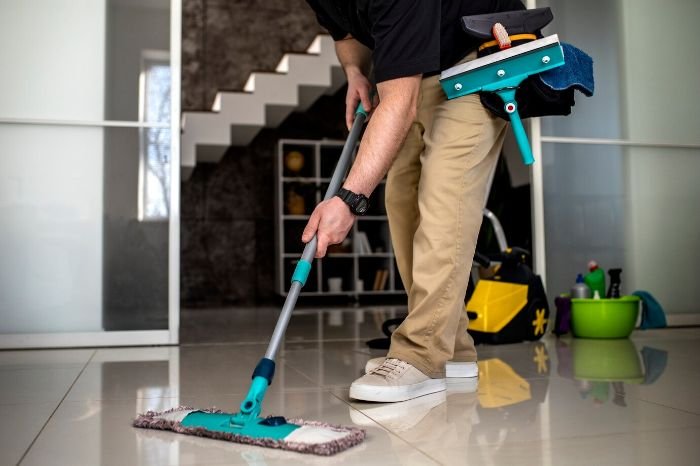
Spot mopping is useful when one small area is dirty and the rest of the floor needs no full wet clean. Blot or lift the spill first, remove any loose debris, then use a clean damp pad with a floor-compatible product. Work from the outside of the mark towards the centre so dissolved soil is not spread over a wider area.
Sticky food or drink residue often responds better to short contact time. Aggressive scrubbing can damage some finishes. Apply only enough compatible solution to soften the residue, give it the label-stated time to work where applicable, then wipe and inspect. Repeated hard scrubbing can dull some coatings and can drive dirty liquid into textured joints or grout.
If a mark remains after normal cleaning, identify whether it is surface soil, a stain in the finish or physical damage. Mopping can remove soil. It cannot repair scratches, swollen laminate edges or worn coating. That distinction prevents stronger chemicals being used on a problem that is no longer a cleaning task.
How Wet Should the Mop Be?
The mop should carry enough solution to loosen and collect soil without leaving puddles. On sealed wood, a slightly moistened and well-wrung mop keeps surface water low. Laminate also needs controlled moisture because liquid can enter joints and swell the core if the product is not designed for wet exposure.
Tile and other water-tolerant surfaces can usually handle a wetter pass. Extra water still has drawbacks. It increases drying time, raises slip risk and can move dirty solution into grout lines. If the floor remains visibly wet after a normal pass, the mop is carrying more liquid than the job needs.
How Often Should You Mop?
There is no useful one-frequency rule for every room. Kitchens, entrances and other high-traffic areas should be mopped when visible soil, sticky residue or tracked-in dirt appears. Low-traffic rooms can go longer if dry cleaning keeps grit under control.
Spills should be dealt with promptly, especially on moisture-sensitive floors. A regular routine works best when dry soil removal happens more often than wet mopping. For a wider cadence beyond floors, the monthly cleaning tasks guide separates recurring jobs from occasional ones.
Use Floor Cleaner Without Leaving a Film
Cleaner choice should follow the floor finish and product label, not a universal cupboard recipe. Vinegar is acidic and unsuitable for some finishes and stone. Bicarbonate of soda can leave residue or act as a mild abrasive. Alcohol-based mixes can also affect coatings or manufacturer warranties. A cleaner that is safe on one floor can be wrong for the next.
Measure concentrate to the label dose, even when the floor looks very dirty. Too much product can leave a sticky or hazy film, which then shows footprints and attracts more soil. If residue remains after drying, a clean-water pass may help where the floor instructions permit it.
Routine household floor cleaning usually does not require disinfection unless there is a specific hygiene reason, such as illness in the home. Cleaning removes dirt and most germs from surfaces; disinfecting is a separate process that needs a suitable product and its stated contact time. The household cleaning guidance from the CDC makes that distinction clear.
Clean and Dry the Mop After Use
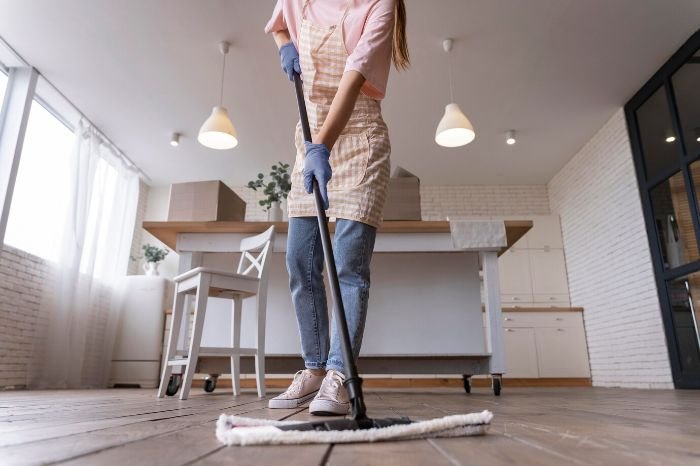
A dirty mop head can put the last room’s soil back onto the next floor. Remove the head or pad if the design allows it, rinse away loose debris, then wash it according to the manufacturer’s care label. Machine-washable microfibre pads should be washed separately from heavily linting fabrics where practical.
Let the mop head dry fully before storage. Leaving a damp mop compressed in a bucket slows drying and can produce persistent odour. Replace the pad or head when fibres are badly worn, torn or no longer release soil after washing.
Mopping Mistakes That Leave Floors Dirtier
- Mopping over grit without sweeping or vacuuming first.
- Using the same dirty pad or bucket water across the whole home.
- Over-wetting wood or laminate and allowing liquid to sit at joints or edges.
- Using more detergent than the label calls for, then mistaking residue for unfinished cleaning.
- Using steam, vinegar or another strong method without checking the floor finish first.
When Floor Care Becomes Part of the Weekly Workload
Floor mopping is quick when the room is already clear and the surface is lightly soiled. It takes longer when vacuuming, kitchens, bathrooms, dusting and other recurring jobs all need doing at the same visit. Samyx Cleaning’s regular domestic cleaning service can include routine floor care as part of the wider home cleaning schedule.
The cleaning team works with the floor condition and surface type in front of them, avoiding one wet method across every finish. If recurring floor care is taking more time than the rest of the household routine allows, booking regular cleaning is the practical point to hand the job over.
Need a cleaning service?
Enter your postcode to view our rates and availability in your area.

Frequently Asked Questions
-
Should you sweep or vacuum before mopping?
Yes. Remove loose grit, hair and crumbs first. Wetting dry soil can turn it into a dirty film, spread it across the floor and increase the chance of scratching some finishes.
-
What is the best mopping technique?
Work from the far side of the room towards the exit with overlapping strokes. A figure-eight pattern is useful in open areas. Systematic coverage and a clean mop pad matter more than one exact motion.
-
Can you use a steam mop on laminate flooring?
Only when the laminate manufacturer and the steam-mop instructions permit it. Some water-resistant laminates allow controlled low-power steam. Other products prohibit steam because heat and moisture can affect joints or layers.
-
Can you mop floors with vinegar?
Vinegar is not a universal floor cleaner. Its acidity can affect some finishes and stone, so use it only where the flooring manufacturer or care instructions allow it.
-
How often should you mop floors?
Mop according to traffic, visible soil and spills. Kitchens and entrances usually need wet cleaning more often than low-traffic rooms. Dry soil removal can be done more frequently.
Author: Svetlana Georgieva (Clara)
Hi, I’m Svetlana Georgieva, but you can call me Clara. As the co-founder and heart behind Samyx Cleaning, I’m devoted to sharing the art of a clean space. Let’s journey into a cleaner, more joyful life together with tips from London's cleaning experts.

Discover more of our cleaning secrets: