
Child Safe Cleaning Products: What Parents Should Check

Last modified on: 21/07/2026
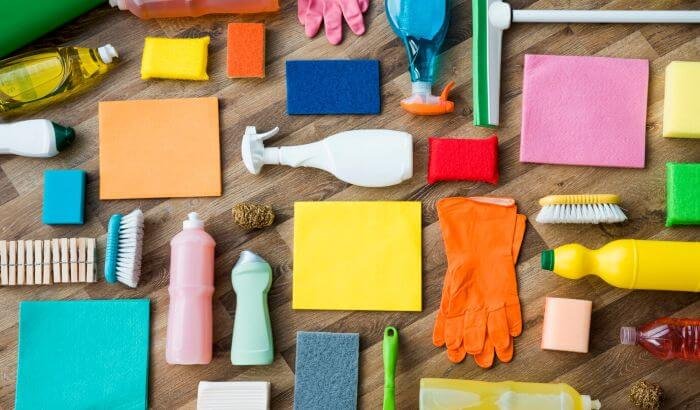
Child safe cleaning products are products you can use around children only when the label, surface, room, storage and supervision all make sense for the job. The safest option for light daily mess is often a damp microfibre cloth and plain water. When a product is needed, treat “natural”, “non-toxic” and “child-safe” as marketing claims that still need checking before use.
Parents usually want one simple answer. Cleaning safety changes with age, exposure and residue. A kitchen spray used when a toddler is in another room carries less risk than a spray bottle given to a child for chores. A bathroom disinfectant may need contact time, rinsing or ventilation before the room is used again. The useful question is whether the whole way it is used keeps children away from avoidable exposure.
Child-safe product check
1. Who might touch it?
Used around children is lower risk than used by children. Keep cleaning chemicals in adult hands.
2. What does the label say?
Check hazard pictograms, signal words, dilution, contact time, ventilation, PPE and rinse or dry instructions.
3. What surface is it on?
Food surfaces, toys, floors, baths and highchairs need extra residue control. Delicate finishes need a hidden test first.
4. Where is it stored?
Keep products in original labelled containers, closed, high or locked away, and separate from food or medicine.
Table of Contents
Child safe cleaning products start with the label
A product label is more useful than the marketing name on the front. In the UK, cleaning products can carry hazard pictograms, signal words, hazard statements and precautionary statements under GB CLP rules, and the hazard and precautionary statements explain how the product should be handled. A cleaner that looks mild can still irritate eyes, skin or breathing if it is sprayed heavily, left on a surface a child touches, mixed with another product or stored within reach.
Check five things before buying or using it: what the label says it is for, whether it needs dilution, how long it must stay wet to work, whether the surface needs rinsing afterwards, and what storage or protective equipment the label names. Child-resistant caps can slow a child down. They still belong in a high or locked cupboard, away from food and medicine, with the cap closed after every use.
For everyday crumbs, dust and sticky fingerprints, plain water and microfibre often do enough without adding fragrance or disinfectant residue. Save stronger cleaners for the jobs that need them, such as greasy hobs, toilets, bins, raw-meat preparation areas or a confirmed illness clean-up. More chemical adds exposure when the task only needed soil removed.
Need regular cleaning in London?
Enter your postcode to view our rates and availability in your area.

Used around children and used by children need separate rules
A cleaner used around children should leave the surface clean, dry or rinsed as the label requires before the child returns to it. A cleaner used by children has a much higher safety bar. Keep household cleaning chemicals away from young children. Older children can help with low-risk tasks, such as wiping a table with water, sorting laundry or dusting with a dry cloth, with adult supervision and a clearly bounded task.
Spray bottles are a common weak point. They create mist, reach eyes easily and can be pointed the wrong way by a child. If a child is learning simple cleaning responsibilities, start with cloths, water and clearly bounded jobs before any product is involved. Age-appropriate cleaning responsibilities for children should build confidence without putting stronger household chemicals into a child’s hands.
You may also enjoy:

Natural products still need a safety check
Natural ingredients can still damage surfaces or irritate people. Vinegar is acidic, so it can mark natural stone, some metals and damaged finishes. Bicarbonate of soda is mildly abrasive, which can dull soft coatings if it is scrubbed hard. Fragrance oils can be a problem for sensitive skin or breathing, especially in bedrooms, nurseries and small bathrooms.
DIY mixtures also lose the safety information that comes with a commercial product. If you mix vinegar and water in a spare spray bottle, the bottle no longer has a proper label, first-aid advice, hazard information or child-resistant closure. Sensible DIY cleaning product safety includes storage, labelling and surface checks as well as the recipe.
Never mix cleaning products. Bleach with acids, bleach with ammonia-based products and random product layering can release harmful gases or create surface damage. If one product fails, rinse the surface well, ventilate, stop and read the next label before using anything else.
A safer routine for high-touch areas
Family homes usually need frequent cleaning in the same places: kitchen worktops, taps, switches, door handles, toilet flushes, bath edges, highchairs, dining tables and floors where children play. The first pass should remove visible soil. Disinfectant only works properly when the surface is prepared and the label contact time is followed, so spraying a dirty surface and wiping it off straight away can leave both soil and chemical residue behind.
Where food, toys or hands touch the surface, rinse or dry exactly as the label says. Keep children out of the room when sprays, disinfectants, oven cleaners, descalers or strong degreasers are being used. Gloves, eye protection and ventilation are practical domestic controls when a product can irritate skin, eyes or breathing. The habits in protective gear for cleaning apply even more when a parent is cleaning quickly around a busy household.
When illness has been in the home, separate cleaning from disinfecting. Remove dirt first, then use a suitable disinfectant on the right surface and follow the contact time. Handwashing, laundry handling and surface cleaning work together, which is why hand hygiene and surface cleaning should be treated as one routine, not as a shelf full of stronger products.
Storage and emergency rules matter more than branding
The safest-looking product on the shelf becomes unsafe if it is left open, transferred into a drinks bottle or kept where a child can reach it. RoSPA advises parents to keep household products in original labelled containers, stored high, out of sight and preferably locked away. Put products away as soon as the job is finished.
Keep cleaners away from food, medicine and pet products. Laundry capsules, concentrated refills, descalers, oven cleaners and disinfectants need the same attention as obvious strong chemicals because children may judge by colour, smell or packaging before they understand risk. If a product is out of date, leaking or no longer labelled clearly, dispose of it safely before it becomes another hazard.
If a child may have swallowed, inhaled or splashed a product, seek urgent medical advice and keep the original container available so professionals can identify the substance. The container matters because the product name, concentration and hazard information can guide the right response. Avoid online first-aid guessing for a specific exposure.
How Samyx Cleaning helps with child-aware routines
Many product choices become easier when the home is cleaned before grime builds up. Heavy grease, sticky bathroom residue, dusty skirting boards and repeatedly touched surfaces often push people towards stronger sprays and rushed cleaning. A planned routine keeps the work lighter, which means fewer last-minute chemicals, less scrubbing and more time for label-led product use when a stronger cleaner is genuinely needed.
Samyx Cleaning provides regular domestic cleaning in London for households that want floors, kitchens, bathrooms, dust and high-touch areas handled on a planned basis. The service keeps product use in adult hands and reduces the amount of ad hoc cleaning a busy family has to squeeze in around children. Parents still keep control of product storage and any child-specific sensitivities.
Before a regular visit, households can mention practical preferences such as fragrance sensitivity, rooms that need extra ventilation, surfaces that should only be wiped with mild products, or cupboards where cleaning supplies should not be moved. That does not turn a domestic clean into medical or specialist advice, but it gives the cleaner a clearer routine to follow. The value is a cleaner room, fewer rushed decisions, fewer half-used bottles left out, and a more predictable way to keep high-touch areas under control between family activities.
For parents, the practical win is control. Products stay in adult hands, cleaning happens in a planned slot, and the home is kept on top of before the kitchen or bathroom needs a stronger reset. That routine also makes it easier to spot damaged bottles, empty labels or products that should be removed from the home. If your family home needs that routine, check your postcode and service options before the next clean becomes a bigger job.
Need regular cleaning in London?
Enter your postcode to view our rates and availability in your area.
Frequently asked questions
-
What cleaner is safe for kids?
For everyday mess, the safest first option is usually a damp microfibre cloth and plain water. If you use a cleaning product, choose one with clear UK label directions, follow the dilution and contact-time instructions, ventilate the room and keep children away until surfaces are dry or rinsed where the label says so.
-
Are child safe cleaning products the same as non-toxic products?
No. Non-toxic, natural and child-safe are marketing terms unless the label explains the actual hazards and safe-use directions. Treat every product as a chemical product, read the label and store it where children cannot reach it.
-
Can children use cleaning products themselves?
Keep household cleaning chemicals away from young children. Older children can help with low-risk tasks such as wiping with water and a cloth, adult supervision, age-appropriate jobs and the product label checked first.
-
Is vinegar safe to clean around children?
Vinegar can be useful on some hard surfaces. It is still acidic, so keep it away from natural stone, damaged finishes and electrical items, never mix it with bleach or other products, and rinse food-contact surfaces after use.
-
What disinfectant is safe around babies?
Use only a disinfectant whose label says it is suitable for the surface and situation. Follow the contact time, ventilation and rinse directions, and keep babies away from the area until the surface is dry or rinsed as instructed.
Important: Cleaning products, disinfectants, vinegar, fragrance oils and DIY mixtures can still irritate skin, eyes or breathing, damage surfaces or harm a child if swallowed or misused. Follow the product label and the surface manufacturer’s care instructions first, keep products in their original labelled containers, ventilate the room, use gloves or eye protection where directed and keep children away until treated surfaces are dry or rinsed as instructed. Never mix cleaning products. If a child may have swallowed, inhaled or splashed a product on skin or eyes, seek urgent medical advice and keep the original container available.
Author: Svetlana Georgieva (Clara)
Hi, I’m Svetlana Georgieva, but you can call me Clara. As the co-founder and heart behind Samyx Cleaning, I’m devoted to sharing the art of a clean space. Let’s journey into a cleaner, more joyful life together with tips from London's cleaning experts.

Discover more of our cleaning secrets: