
Lemon Juice for Cleaning: Safe Uses and Surfaces to Avoid

Last modified on: 15/08/2026
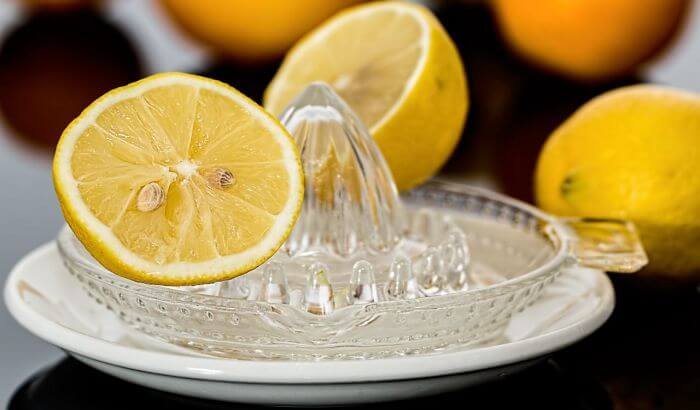
Lemon juice for cleaning can help with some light mineral and soap residues, provided the surface tolerates acid and the job does not require disinfection.
The same juice can etch stone, alter metal, dull a finish, move dye or leave sugar and pulp behind. Treat it as a variable food ingredient with limited cleaning uses, not as an all-purpose product.
Match the acid to the surface and the job
- Identify the surface, finish, sealant and nearby materials. Follow the maker’s cleaning instructions before trying lemon.
- Use lemon only for a task mild acid can plausibly help, such as light mineral residue on a confirmed acid-resistant surface.
- Test a small hidden area, keep contact brief, rinse completely and inspect only after the surface is dry.
- Choose a labelled product when the task requires disinfection, food-safety control, mould treatment or a material-specific process.
- Never mix lemon juice with chlorine bleach, unknown cleaners or bicarbonate inside a closed container.
Key takeaways
- Citric acid may loosen some alkaline deposits; it does not make lemon an all-purpose cleaner.
- Fresh juice, bottled juice and lemon-scented cleaner are different materials with different instructions.
- Household lemon juice is not a labelled disinfectant and should not carry a germ-kill claim.
- Natural stone, vulnerable metals, wood finishes, textiles and unknown coatings need an acid-free route.
- Lemon and bicarbonate fizz because acid and alkali react; the bubbles do not prove stronger cleaning.
Table of Contents
Lemon juice for cleaning: what it can and cannot do
Lemon juice contains citric acid. On a compatible surface, mild acid can help dissolve some alkaline mineral deposits and loosen certain soap residues. The action is narrow: it does not remove every grease, pigment, protein stain, adhesive or baked deposit, and it cannot repair etched or worn material.
A lemon is not a formulated cleaner. Its acidity varies with fruit, storage and dilution. Fresh juice also contains water, natural sugars, pulp and oils from accidental peel contact. Bottled products may include preservatives or standardised juice blends. Any of these can leave a film if the area is not rinsed.
The required outcome matters as much as the soil. A faint limescale edge on compatible glazed ceramic is an acid-removal question. Raw food contamination is a hygiene-control question. A dark mark on marble may already be etching or absorbed contamination. One familiar ingredient cannot satisfy all three jobs.
Lemon juice is not a household disinfectant
Cleaning removes soil and reduces what is physically present. Disinfection uses a product with defined organisms, concentration, wet contact time, application method and surface conditions on its label. Food lemon juice does not provide those instructions, so it should not be presented as killing Salmonella, E. coli, viruses, mould or other pathogens in the home.
A surface may look brighter and smell citrus-fresh after lemon treatment without meeting a disinfection standard. Scent is not proof of hygiene. When someone is ill, raw food has contaminated a preparation area, or a product label calls for disinfection, clean first as directed and use a compatible labelled disinfectant for the required contact time.
Do not use lemon to chase visible mould. The stain may extend into sealant, grout, wood, plaster or another porous layer that acid can damage without resolving the moisture source. Mould extent, material and cause determine whether routine surface cleaning is appropriate.
Lemon cleaning routes by surface
Start with material and required outcome, then decide whether lemon belongs in the job.
Compatible glazed ceramic or glass
Maker-permitted acid may help a light mineral edge. Protect frames, grout, seals and coatings; rinse and dry promptly.
Bathroom mineral or soap residue
Confirm every material in the splash zone. Stone, metal trim, coloured grout and damaged sealant can change before the deposit does.
Kettle, coffee maker or microwave
Use the appliance manual. Steam may soften food residue, and internal parts and descaling programmes need their specified process.
Stone, wood, metal, textile or coating
Do not improvise. Acid, moisture and pulp can etch, corrode, swell, bleach, stain or leave residue.
Hygiene-critical task
Clean the compatible surface, then follow a labelled disinfectant or food-safety process. Lemon scent is not the endpoint.
How to test lemon juice before cleaning
- Confirm the material. Check the surface, coating, finish, grout, sealant, fasteners and nearby materials. “Ceramic”, “glass” or “metal” is not enough when a coating or frame is exposed.
- Read the maker’s instructions. Look for permitted cleaner types, prohibited acids, maximum contact time and rinsing or drying steps.
- Prepare a hidden area. Remove loose soil with the approved method so the test measures lemon contact, not abrasion from grit.
- Use the smallest practical test. Apply only enough juice for the planned contact. Do not extend time because no immediate change appears.
- Rinse, dry and inspect. Check colour, gloss, texture, sealant, joints and residue in good light. Stop for dulling, roughness, darkening, tackiness or colour on the cloth.
A successful hidden test is permission for the tested method on that small area, not proof that every surface with the same name is compatible. A longer dwell, stronger concentration, abrasive pad or repeated application creates a different test.
Where lemon juice may help
Light mineral residue on confirmed acid-resistant surfaces
Citric acid may loosen a light mineral film on compatible glazed ceramic or uncoated glass. Keep the juice away from stone surrounds, cement grout, metal frames, damaged enamel and rubber seals unless their instructions permit acid. Use short contact, a non-scratching cloth, a full water rinse and prompt drying.
Small soap marks on a compatible bathroom fitting
Soap residue can include body oil, product film and minerals. Lemon may affect the alkaline portion and leave the oily portion behind. Do not scrub harder to compensate. A labelled bathroom cleaner suited to the complete fitting is a better route when the deposit crosses tile, grout, metal and sealant.
Microwave steam as a loosening step
A microwave-safe bowl of water used according to the appliance manual can create steam that softens food splashes. Lemon may add scent; it is not the disinfecting mechanism. Let the bowl cool before handling, keep vents clear and wipe residue from the cavity without flooding openings. The full microwave method belongs to its appliance-specific owner.
You may also enjoy:

What not to clean with lemon juice
Natural stone, cement grout and uncertain composites
Marble, limestone and travertine can etch when acid reacts with calcium-containing material. Granite, quartz composites, terrazzo and engineered surfaces vary by mineral, resin, sealer and maker. A tiny acid test can still create permanent dulling, so follow the specialist route for natural stone.
Wood, painted surfaces and laminates
Acid and moisture can dull a coating, raise grain, soften paint or enter a laminate edge. Bare wood may darken unevenly and absorb sugar or scent. Use the finish maker’s method and a barely damp compatible cloth where allowed; do not use lemon to remove a mark by bleaching the surrounding colour.
Metals, plating and patinated finishes
Copper and brass recipes often aim to strip tarnish, which also changes intentional patina. Aluminium, zinc, plated fittings, knife edges, appliance trim and damaged stainless finishes may spot or corrode. A result that looks brighter can still be surface loss. Valuable, antique or safety-critical metal needs its own care method.
Textiles, carpet and upholstery
Lemon can move dye, lighten a patch, form a tide mark and leave sugar in fibres or filling. Sun exposure can make bleaching more visible without removing the original soil. Follow the care label and the stain source; ordinary fabric stains need a fibre-specific route.
Screens, electronics and unknown coatings
Acid, liquid and residue can damage anti-glare layers, seals, adhesives and openings. Do not spray or squeeze lemon near electronics. Use the device maker’s stated cloth and product. The same caution applies to acrylic, lacquer, soft-touch coatings and any surface whose identity cannot be confirmed.
| Surface or task | Possible role | Required check | Avoid or stop |
|---|---|---|---|
| Glazed ceramic | Light mineral or soap residue | Maker permits acid; hidden test stays unchanged | Unsealed grout, crazing, dulling or roughness |
| Uncoated glass | Small mineral film | Coating, frame and seal are protected | Scratching grit, metal trim or persistent haze |
| Microwave cavity | Scent plus steam-assisted loosening | Manual permits the bowl and wiping method | Blocked vents, hot bowl, electrical openings |
| Toilet bowl | Possible light mineral action on compatible vitreous china | Bowl and product instructions; no cleaner already present | Bleach, coloured glaze, metal parts or a hygiene claim |
| Natural stone or wood | No routine lemon role | Use material-specific instructions | Any acid contact, swelling, etching or colour change |
| Disinfection | No substitute for a labelled disinfectant | Use defined contact time and approved surface | Lemon-only pathogen or food-safety claim |
What happens when lemon juice and bicarbonate fizz
Lemon juice is acidic and bicarbonate is alkaline. When combined, they react and release carbon dioxide gas, which creates visible bubbles. The reaction consumes some of both ingredients. Depending on their proportions, the residue may end up acidic, alkaline or closer to neutral, with dissolved salts, water and any unreacted powder remaining.
Fizz can move loose particles in a small space. It does not prove that the mixture cuts grease, disinfects, removes rust safely or protects a surface from abrasion. Bicarbonate crystals can still scratch vulnerable finishes, and lemon can still reach an exposed material before it is neutralised. The separate bicarbonate guide explains its own limits.
Never premix lemon and bicarbonate in a sealed bottle. Gas production can build pressure. Do not add vinegar, washing-up liquid or another cleaner to make a larger hack. Choose the soil, surface and one compatible action, then rinse before using a different product. Never mix lemon or another acid with chlorine bleach; the bleach and citrus boundary is non-negotiable.
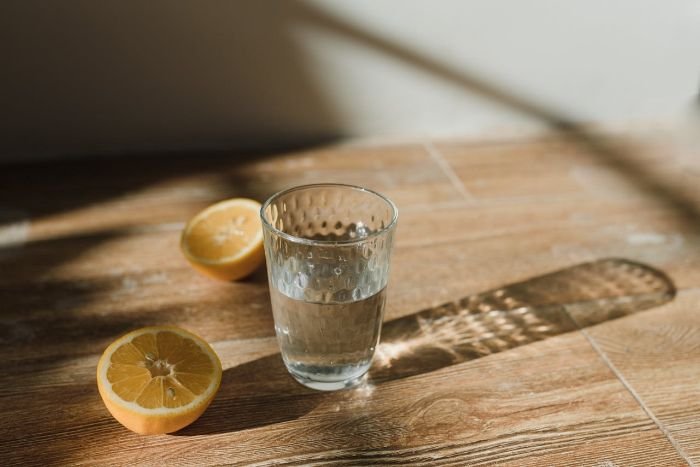
Fresh lemon, bottled juice and lemon-scented cleaner are different
Fresh fruit has variable acidity, pulp and sugar. A cut half can also bring peel oil and physical abrasion into contact with the surface. Straining the juice removes some pulp without turning it into a formulated cleaner or making an incompatible material safe.
Bottled lemon juice may be standardised for food use and can contain preservatives. Read its label; permission to consume a product is not permission to use it on stone, fabric, metal or an appliance. A bottle with no cleaning directions provides no surface list, dose, contact time or disinfection claim.
A lemon-scented cleaner may contain no usable lemon juice at all. Its fragrance does not describe its pH or active ingredients. Treat it as the product named on its label, following the stated surfaces, dilution, ventilation, protective equipment and contact time.
Why one universal lemon cleaner ratio is misleading
A fixed “one part lemon to two parts water” recipe ignores the starting acidity of the juice, the deposit thickness, the surface and the finish. Dilution reduces acid concentration and can also spread liquid farther into joints, edges and porous material. A weak solution may leave sticky residue; a stronger one may change gloss before it shifts the mark.
Contact time creates another variable. Recommending five, ten or thirty minutes across every material treats a glazed saucer, appliance seal, chrome fitting and stone tile as equivalent. They are not. Use only a maker-permitted method with a stated test, and remove the liquid at the first sign of colour, texture or finish change.
Do not turn a food spray bottle into a stored cleaner. Juice can spoil, ferment, separate or support growth after dilution, and an unlabelled bottle may be mistaken for food or another product. Make only the small amount needed for an approved one-off test, keep it in an open stable container during use, and discard the remainder without combining it with drain, toilet or bleach products.
Rinse and judge the result before repeating
Acid loosened from a mineral deposit still needs removal. Wipe with clean water where the surface instructions permit it, changing the cloth when it picks up residue. Dry the area so a remaining haze, dull patch or tide line can be seen. A citrus smell or wet shine can hide the fact that soil remains.
Inspect the entire contact zone, including the edge where liquid collected. Check grout, seams, screws, sealant and the cloth for transferred colour. Run a clean dry fingertip over a non-food, non-electrical test area only when safe; tackiness suggests sugar or product residue that needs the maker-approved rinse route.
Photograph the dry test area in neutral light. The image helps compare gloss and colour after a second inspection and gives a specialist a clearer treatment history.
Do not repeat immediately because the dry result is disappointing. A second acid cycle increases total contact and may enlarge damage that began invisibly. Record the material, juice type, dilution, contact time and change. Move to a labelled compatible cleaner or suitable specialist when the deposit does not respond after one controlled test.
Toilets, floors and food-contact surfaces need clearer limits
Toilet bowls
Lemon may act on a light mineral trace in compatible vitreous china. Toilet soil can also include biofilm, organic residue, hard scale and staining below the waterline. Check what cleaner is already in the bowl and never add lemon to bleach. Seats, hinges, seals, metal fittings and coloured finishes require separate instructions. Use a labelled toilet product when hygiene control is the goal.
Floors
“Floor” can mean natural stone, ceramic, vinyl, laminate, sealed wood, cork, resin or a coated commercial surface. Lemon is not a universal floor solution. Acid can attack material or grout, excess water can enter joints, and sugar can leave a sticky film that attracts soil. Use the floor maker’s product and dilution.
Chopping boards and food-preparation areas
Board material, scratches, joins and maker instructions determine the wash route. Rubbing a lemon over a board may change odour or appearance without providing a validated pathogen reduction. Remove food debris, wash using the approved process and apply any required sanitising or disinfecting step exactly as labelled for food-contact use.
When a labelled cleaner is the better choice
- The task requires disinfection or a defined food-safety process.
- The surface maker specifies a product, pH range or maintenance method.
- Soil is greasy, protein-based, baked on, extensive or spread across several materials.
- The item is valuable, antique, coated, porous, damaged or hard to identify.
- A previous home mixture has left haze, stickiness, colour change or odour.
Routine whole-home cleaning also crosses stone, wood, metal, glass, ceramic, textiles and appliances. A single lemon mixture cannot match them all. Samyx Cleaning’s domestic cleaning service selects the route around the task and material without promising a fixed household recipe. Suitability and likely outcome still depend on the condition and access.
Explore Domestic Cleaning
Enter your postcode to view our rates and availability in your area.

Frequently asked questions
-
Can bottled lemon juice be used for cleaning?
Bottled lemon juice may help with a narrow acid-compatible task, and its food label is not a surface-care instruction. Preservatives, concentration and residue vary. Check the surface maker, test a hidden area, keep contact brief, rinse and dry. Do not use it as a disinfectant.
-
What should you not clean with lemon juice?
Avoid lemon on marble, limestone, travertine, uncertain stone or grout, vulnerable metals, wood finishes, screens, electronics, textiles, carpet, upholstery and unknown coatings unless the maker explicitly permits acid. Stop for dulling, colour movement, roughness, swelling or residue.
-
Will lemon juice clean a toilet?
Lemon may affect a light mineral trace on compatible vitreous china, but it is not a complete toilet cleaner or disinfectant. Check the bowl and fitting instructions, confirm no bleach or other product is present, and use a labelled toilet product when hygiene control is required.
-
What happens when you mix lemon juice and bicarbonate?
Citric acid and bicarbonate react and release carbon dioxide, creating fizz while consuming some of both ingredients. The bubbles do not prove stronger cleaning. Remaining powder can abrade a surface. Never mix or store them in a closed container, and do not add bleach or unknown cleaners.
Important: Follow the surface, appliance and cleaning-product instructions over general guidance. Test only where acid is permitted, rinse fully and assess after drying. Wear any protection and use the ventilation, dose and contact time stated on a labelled product. Never mix lemon juice or another acid with chlorine bleach, and never store a fizzing lemon/bicarbonate mixture in a closed container. Stop for dulling, roughness, corrosion, colour movement, swelling, damaged sealant, tackiness or persistent residue. Valuable, antique, damaged or uncertain materials need a suitable specialist.
Author: Svetlana Georgieva (Clara)
Hi, I’m Svetlana Georgieva, but you can call me Clara. As the co-founder and heart behind Samyx Cleaning, I’m devoted to sharing the art of a clean space. Let’s journey into a cleaner, more joyful life together with tips from London's cleaning experts.

Discover more of our cleaning secrets: