
Wear and Tear vs Damage Landlord Guide: England Tenancies

Last modified on: 22/07/2026
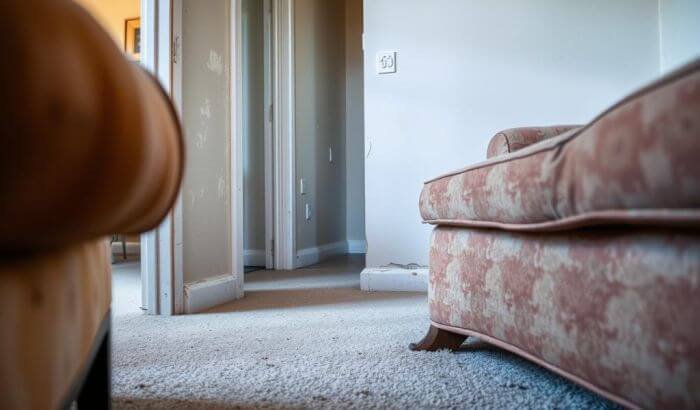
Wear and tear vs damage landlord decisions should start with three separate questions: what changed through ordinary use, what is removable dirt, and what may be avoidable damage or a repair issue. In an England tenancy, the answer depends on the starting condition, the evidence and the circumstances, not on one photograph or a fixed age rule.
Decision answer: classify the change before discussing cost
- Compare the check-in description and photographs with the dry, well-lit check-out condition.
- Separate removable soil from physical deterioration, breakage or a repair problem.
- Consider age, quality, tenancy length, occupancy and the likely cause together.
- Record the evidence and use the tenancy or deposit-scheme process if agreement is not possible.
Key takeaways
- Fair wear concerns reasonable deterioration from normal use. It does not automatically cover dirt, stains, breakage or neglect.
- Cleanliness, condition and damage are separate evidence questions, even when they affect the same item.
- Age, starting condition, quality, tenancy length and level of use must be considered together.
- A fixed lifespan or percentage cannot decide an individual case, and a claim should not create an unfair improvement at the tenant’s expense.
- Clear inventories, neutral photographs, invoices and written communications are more useful than blame language.
Table of Contents
Wear and tear vs damage landlord decision: three separate questions
The phrase is often treated as a choice between only two boxes. At check-out there are usually at least three: deterioration caused by ordinary, reasonable use; cleanliness such as dust, grease, limescale or removable residue; and physical damage, misuse, an accident or an unresolved maintenance issue.
1. Is it reasonable deterioration?
Paint can fade, carpet pile can flatten in a normal traffic route and a frequently used handle can loosen. These changes do not look identical in every property. The starting age and condition, the item’s quality, the length of the tenancy and how many people used the area all affect what may be reasonable.
2. Is the issue cleanliness?
A surface can be old and still need cleaning. Dust on an aged skirting board, grease on an older oven or limescale on a used tap is a cleanliness question before it is a wear question. Compare the end condition with the cleaning standard recorded at check-in without assuming that age excuses removable soil.
3. Is there damage or a repair issue?
A burn, hole, deep gouge or broken component may point beyond ordinary use. A leak mark, swollen board, failed seal or loose fitting may involve maintenance or repair history. Cleaning should not be used to disguise either category. Record what is visible, note any earlier reports and avoid deciding responsibility from appearance alone.
The table below is a classification aid, not a legal verdict. A deposit scheme or adviser may assess the same evidence differently after considering the agreement and full circumstances.
| Observation | Provisional category | Evidence to check | Safe next step |
|---|---|---|---|
| Faded paint or light traffic wear | Possible fair wear | Check-in condition, age, tenancy length and use | Record it; do not scrub or redecorate simply to hide age |
| Dust, grease, limescale or removable residue | Cleanliness | Check-in cleaning standard and a cautious cleaning test | Clean safely, allow to dry and photograph the result |
| Stain, burn, hole or broken component | Possible damage | Baseline, cause, earlier reports and appropriate repair evidence | Stop if cleaning could worsen it; document and discuss |
| Swelling, leak mark, failed seal or loose fitting | Possible repair or maintenance issue | Repair reports, dates and landlord-tenant communications | Identify the cause; do not treat it as a cleaning-only problem |
Need help with the final clean?
Enter your postcode to view our rates and availability in your area.

Fair wear and tear cleaning: condition and cleanliness are separate
Fair wear relates to deterioration, while condition and cleanliness are assessed separately. Compare the end condition with the standard recorded in the inventory or check-in report. That is more precise than saying every property must look new or must always receive a professional clean.
Begin with dry removal and good light. Vacuum loose dust, then test any mark using a method suitable for the material. If the soil transfers and the surface remains stable, continue cautiously. Stop if colour, coating or material transfers. A stronger product cannot restore missing paint, burned carpet or swollen board, and it may damage the evidence that both sides need.
A cleaning receipt can show that work was booked. It does not by itself prove the starting standard, final condition or responsibility for every mark. Keep the agreed scope and any before-and-after notes with the inventory. A whole-property end of tenancy cleaning checklist keeps task completion separate from the evidence used to classify a mark.
What makes deterioration reasonable in an England tenancy?
No single factor decides what is fair. Deposit-scheme guidance looks at the evidence collectively. The same scuff may carry different weight on newly decorated paint after a short tenancy and on an older wall after several years of normal occupation. That does not create an automatic result; it changes the context that should be recorded.
Starting condition and age
The check-in inventory should describe more than `good condition`. Useful records identify existing marks, fading, chips, stains and working condition. If an item was already worn, a later claim cannot reasonably treat it as new. Invoices, installation dates and earlier reports can help establish age when photographs cannot.
Quality and expected use
Materials of different quality respond differently to normal use. A low-cost carpet in a busy hallway and a durable floor in a lightly used room do not provide the same comparison. Avoid universal lifespan charts. They can provide background information; evidence about the actual item, installation and use carries the useful detail.
Tenancy length and occupancy
A longer tenancy normally creates more opportunity for ordinary deterioration. The number of occupants, children, pets and the way a room is used can also affect expected wear. These are context factors, not automatic findings of tenant responsibility. A pet in the property does not prove that every scratch was caused during that tenancy.
Cause and avoidability
Ask what probably caused the change and whether it was reported. Gradual flattening in a walking route is different from a local burn. Mould around a leak is different from removable condensation residue, and both need careful assessment. Written repair requests and responses matter because an unresolved defect may worsen even when the tenant cleans normally.
You may also enjoy:

Build an evidence trail before proposing a deduction
Evidence is strongest when it shows a sequence, not a single dramatic close-up. Start with the agreed check-in record, add any mid-tenancy repair communications, and finish with a check-out record made after belongings and rubbish have been removed. Both landlord and tenant benefit from factual descriptions.
- Match the location. Photograph the whole wall, floor or item first, then take a close image of the mark.
- Record the surface as found. Note whether it was dry, dusty, greasy, broken, loose, swollen or discoloured.
- Use comparable light. Harsh flash can exaggerate texture. A dark image can hide residue.
- Keep original files. Preserve dates and avoid filters, annotations that cover the mark or selective cropping.
- Record the cleaning test. Note the method, the material and whether soil or finish transferred.
- Keep supporting records. Include inventories, invoices, repair reports, messages and the cleaning scope where relevant.
Use neutral language such as `grey residue removed`, `paint chip remained` or `seal was loose before cleaning`. Phrases such as `tenant negligence` or `landlord ignored it` state a conclusion that the photograph alone may not prove. Neutral notes make later discussion easier.
Photograph before and after a cautious cleaning test
Take the first image before adding moisture or product. Include a wider frame showing the room and a close frame showing the mark. If a safe test is appropriate, isolate a small section and record what was used. Let the area dry before taking the second set. Wet surfaces can appear darker, cleaner or more damaged than they look once dry.
The cloth or pad can add useful context. Loose grey dust, greasy residue or transferred soil supports a cleanliness observation. Paint colour, wood finish, carpet dye or material fibres on the cloth are stop signals. Keep the test limited and note the result. Repeated scrubbing after a stop signal may turn an uncertain mark into new damage.
Photographs cannot capture odour, looseness, texture or whether an appliance works. Add a short written observation and, where appropriate, a video showing movement or function. Do not stage the defect, force a fitting or power unsafe equipment to make the evidence more dramatic.
Avoid betterment
Betterment means leaving the landlord or property in a better position at the tenant’s expense. MyDeposits gives the example of claiming the full price of a new replacement for an older damaged item. The same principle can affect cleaning: requiring a higher standard than the documented check-in standard may not be a like-for-like comparison. No deduction is calculated here. Age, quality, starting condition and proportionate evidence belong in the discussion.
Present a proposed cost as evidence, not a formula
An itemised proposal should identify the room or item, the recorded change, the evidence relied on and the remedy being discussed. A cleaning line should be separated from repair or replacement. An invoice or quote should relate to the actual work and a comparable standard. A round number with no scope gives the other party little to assess.
Do not begin with a fixed percentage based only on age. A five-year-old item may have started the tenancy in excellent, average or poor condition. Its quality and previous use may also be unknown. Record those gaps openly. The deposit scheme can then consider the evidence submitted under its own process.
A practical room-by-room classification check
Walls, paint and woodwork
Light fading and small traffic scuffs may be ordinary deterioration depending on the baseline and tenancy. Greasy hand marks may be cleanable. Holes, deep gouges, missing paint or swollen MDF are different observations. Test a hidden area before wiping and stop when the coating softens, dulls or transfers colour.
Carpets and hard floors
Flattened pile in a normal route may be wear. Loose debris, surface soil and some spots are cleaning questions. Burns, cuts, deep staining or broken boards may point to damage. Lifting caused by a leak may involve repair. Photograph the wider traffic pattern as well as the local defect.
Kitchens and bathrooms
Grease, food residue and limescale usually begin as cleanliness issues. Aggressive cleaning can damage coatings and seals. A cracked hob, chipped basin or failed seal needs a separate condition record. Persistent damp, swelling or discolouration should be reported and never hidden with bleach, paint or sealant.
Furniture, fittings and appliances
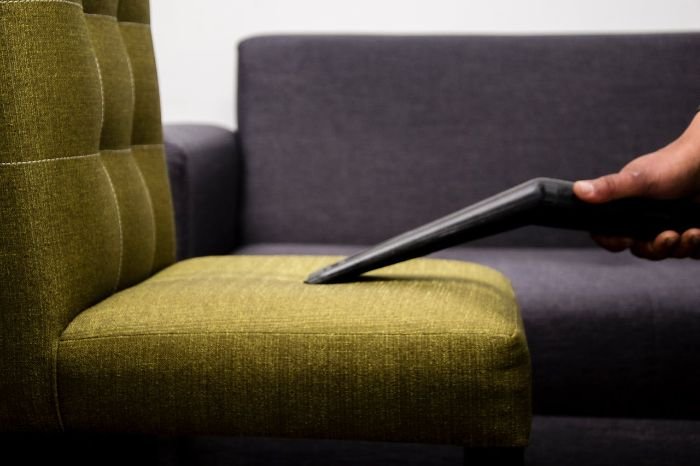
Fabric fading and gentle compression differ from a cut, burn or permanent stain. A handle that loosened gradually differs from a snapped fitting, and the cause may still need evidence. For an appliance, distinguish ordinary age, lack of cleaning, misuse and an electrical or mechanical fault. Do not dismantle or test unsafe equipment merely to complete a check-out record.
Use a consistent four-column check-out note
A simple record can keep each observation separate: location, condition found, comparison evidence and action taken. For example, `hall carpet by entrance / flattened pile with loose grit / check-in shows new pile, tenancy lasted three years / vacuumed grit, no treatment applied to compression`. This describes the result without deciding liability.
For a kitchen example, write `oven door / greasy residue on inner glass / check-in report records professionally cleaned / degreased using material-safe method, residue removed`. If a scratch remains after cleaning, add it as a separate condition line. Combining the scratch and grease into one note makes it harder to see which issue cleaning resolved.
Use the same structure across rooms. Consistent notes help both sides compare evidence and make an itemised response. They also show where the cleaner stopped because a mark appeared to involve coating loss, breakage, moisture or another repair concern.
When landlord and tenant disagree
Start by exchanging the relevant check-in and check-out evidence and an itemised explanation. Separate cleaning, damage and repair lines. A tenant can respond with photographs, receipts, earlier repair messages and a description of any cleaning completed.
For cleaning, the check-out condition should be compared with the documented check-in standard, and a tenancy term demanding professional cleaning is not automatically fair. A tenant may choose a professional cleaner. The evidence should still compare the documented standards and not rely only on who performed the work.
If agreement is not possible, check which approved scheme protects the deposit. The parties can use free dispute resolution through the relevant deposit protection scheme, where both sides provide evidence and time limits may apply. Contact the scheme promptly and follow its current instructions. Scotland and Northern Ireland use separate systems, so check the relevant local guidance outside England.
A disagreement about the standard or scope of cleaning is easier to assess when the parties organise the conversation and documents around the same evidence. This approach to handling cleaning disputes does not replace the protected-deposit scheme.
Where professional end of tenancy cleaning fits
Professional cleaning is relevant when the remaining issue is in-scope soil across several rooms, the moving timetable is tight or the agreed check-out standard requires a coordinated clean. It cannot substitute for repair, redecoration, inventory evidence or a liability decision.
Samyx Cleaning can clean accessible surfaces included in the agreed end of tenancy cleaning scope. During the work, a cleaner can stop when a mark appears to involve finish transfer, breakage, swelling or another non-cleaning issue. The booking and invoice record the service arranged. They do not certify fair wear, determine who pays or guarantee a deposit outcome.
Before the visit, share access details, the property size, any inventory priorities and known delicate or damaged surfaces. Move-out belongings should be cleared far enough for the agreed areas to be reached. Keep repair concerns separate from the cleaning list so the team can work methodically and stop at the correct boundary.
The service is quoted against the property and scope described. If the condition on arrival is materially different, any scope or price change is discussed before extra work proceeds. The applicable re-clean terms relate to the cleaning service and agreed checklist, not to repair work or a deposit-scheme decision. Allow enough time for end of tenancy cleaning to finish before the check-out inspection begins.
Book End of Tenancy Cleaning
Enter your postcode to view our rates and availability in your area.
Frequently asked questions
-
Is wear and tear the same as damage?
No. Fair wear is reasonable deterioration from normal use. Damage generally points to an avoidable event, misuse or action beyond ordinary use. The actual decision still depends on the starting condition, age, quality, tenancy length, occupancy and evidence.
-
Does fair wear and tear apply to cleaning?
Fair wear concerns condition, while cleanliness is assessed separately. An old item can still have removable dust, grease or residue. Compare the check-out cleanliness with the standard recorded at check-in and use material-safe cleaning rather than treating age as permission to leave soil.
-
Can a landlord require professional cleaning in England?
A tenant should normally return the property to the documented cleaning standard at check-in. A term requiring professional cleaning is not automatically fair. The agreement, inventory, evidence and current guidance should be checked for the specific tenancy.
-
What evidence helps with a tenancy deposit dispute?
Useful evidence includes the signed check-in and check-out records, dated wide and close photographs, invoices, repair reports, written communications and the cleaning scope or receipt. Follow the relevant protected-deposit scheme’s current process and deadlines.
Important: This is general practical information for England tenancies, not legal advice or a decision about liability, deductions or fair wear in a specific case. Check the tenancy agreement, inventory, current guidance and the rules and deadlines of the relevant deposit-protection scheme. Stop cleaning if a test changes colour, finish or material, or if moisture, breakage or another repair issue is present. Seek advice from the deposit scheme, Shelter, a qualified housing adviser or an appropriate repair professional when the evidence or responsibility is disputed.
Author: Svetlana Georgieva (Clara)
Hi, I’m Svetlana Georgieva, but you can call me Clara. As the co-founder and heart behind Samyx Cleaning, I’m devoted to sharing the art of a clean space. Let’s journey into a cleaner, more joyful life together with tips from London's cleaning experts.

Discover more of our cleaning secrets: