
Cleaning Standards That Speed Up Tenant Transitions

Last modified on: 23/11/2025
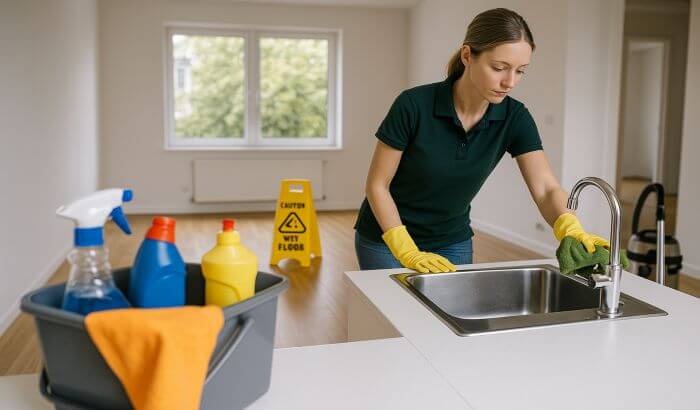
Tenant transitions slow down quickly when a flat sits untouched after move-out, and small details begin working against re-letting speed. Dust on skirting lines, dull taps, and faint marks on high-touch areas create hesitation during viewings and raise questions about previous wear. A focused cleaning plan removes that uncertainty and gives landlords a faster path to a ready-to-let condition without friction between inspections, repairs, and access limits.
Key takeaways:
- Set early cleaning thresholds within 24 hours to stabilise finishes
- Test chrome clarity with 2-5 minute dwell times under bright light
- Avoid rushing access sequences that force cleaners to redo surfaces
- Schedule inspection-ready passes every turnover cycle
- Plan a viewing-ready flow when you book end of tenancy cleaning in London
In this article:
- Key takeaways:
- Observe Cleaning Standards That Influence Tenant Decisions
- Spot observable cleanliness cues during transitions
- Understand how standards shape viewing behaviour
- How does end of tenancy cleaning work?
- Visible Cleaning Cues and Their Impact on Viewings
- Structure a Cleaning Window That Reduces Vacancy Lag
- Plan a cleaning slot within the first 24 hours of vacancy
- Coordinate access between cleaners, repairs, and inventory checks
- Match scheduling to property type and viewing frequency
- Align Cleaning Work With Inventory Notes to Avoid Deposit Disputes
- Track where inventory and visible wear diverge
- Address marks that complicate deposit decisions
- What does a landlord need to do at the end of a tenancy?
- Evaluate Turnover Gains From Professional End of Tenancy Cleaning
- Review turnover differences between DIY and professional work
- Is it worth getting the end of tenancy clean?
- Link cleaning quality to rental property turnover metrics
- Build a Consistent Re-Letting Flow Using Cleaning Benchmarks
- Set stable cleanliness benchmarks for predictable transitions
- Use a fixed inspection cadence for every turnover cycle
- Prepare access and storage notes for next visits
- Final Thoughts
- FAQ
- How can cleaning standards speed up tenant transitions in busy London rentals?
- What cleaning thresholds matter most during an inventory revisit?
- When is professional end of tenancy cleaning most useful for turnover speed?
- What failure signals indicate that a surface needs another pass before viewings?
- How can cleaners keep finishes consistent across rooms with different materials?
- What preparation helps small flats stay ready for early viewings?
Observe Cleaning Standards That Influence Tenant Decisions
Cleanliness cues shape how fast a vacant flat attracts interest. A clear view of visible soils, limescale patches, or dull finishes helps set the right scope for end of tenancy cleaning without drifting into over-cleaning. Small issues often become talking points during viewings, so spotting them early keeps the property ready for quick turnover.
Spot observable cleanliness cues during transitions
Prospective tenants focus on surfaces that catch light, trap moisture, or collect limescale. Hard-water marks around taps and shower screens tend to stand out in London bathrooms, especially where ventilation is weak. I often notice that a dull tap or streaked glass shifts attention away from the room’s strengths, even if general soil levels are low. A quick test with a dry microfibre pad will show whether residues are loose or bonded; bonded marks call for descaler with a low-pH range suitable for chrome to avoid surface etching.
Kitchens show early signs of grease haze on cabinet doors and splashbacks. A neutral or mildly alkaline cleaner works on most laminates, but stone composites need pH-balanced products to avoid dulling. Soil trapped around handles or appliance edges signals that more detailed work is needed before viewings begin. Such details help cleaners set accurate workloads without inflating the scope.
Understand how standards shape viewing behaviour
Most tenants assess a flat within the first minute, focusing on shine levels, odours, and whether fittings appear maintained. A clean line around skirting, even where carpets meet hard flooring, builds confidence that the flat is cared for. When surfaces look uneven or streaked, viewers often hesitate to commit, which slows turnover and keeps the landlord waiting longer for reliable applications.
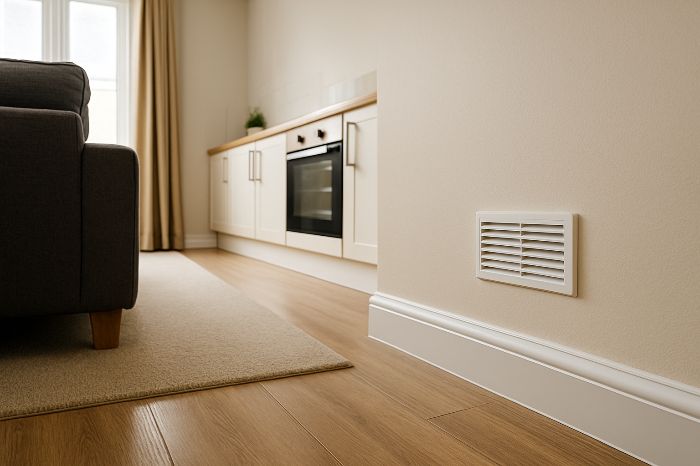
Freshened air movement remains a key factor. Stale odours from closed rooms, especially small wet rooms, reduce perceived value. Opening trickle vents and running a short ventilation burst helps stabilise air quality before viewings. Even without full deodorisation, mild neutralisers reduce lingering smells without masking them.
How does end of tenancy cleaning work?
End of tenancy cleaning focuses on removing visible soils and preparing the space for inspection-level checks. Work starts with dry extraction across floors, followed by targeted wet cleaning based on material sensitivity. Cleaners measure dwell times carefully; 2-7 minutes of dwell on glazed tiles loosens mineral deposits without risking grout bleaching. Inspectors look for consistency across rooms, not perfection, so cleaners prioritise the surfaces most exposed to wear.
Visible Cleaning Cues and Their Impact on Viewings
| Area | Common issue | Effect on tenant perception |
|---|---|---|
| Bathroom glass | Limescale spotting | Suggests poor maintenance |
| Kitchen doors | Grease haze | Reduces sense of hygiene |
| Flooring edges | Dust trails | Indicates rushed cleaning |
| Taps and fittings | Dull finish | Lowers overall appeal |
| Windowsills | Fine dust | Signals inadequate airing |
Even small corrections shift attention toward the strengths of a property. Cleaners working turnover cycles in London flats get stable results by addressing visible soils first, then refining the details based on material limits.
A short, well-judged clean raises confidence during viewings and helps the property move toward the next stage of the letting process.
Structure a Cleaning Window That Reduces Vacancy Lag
A well-timed cleaning window keeps vacancy days low and prepares the flat for early viewings. The first 24 hours after key handover offer the cleanest break between outgoing tenants, repair teams, and inventory checks. Setting the schedule at this stage prevents delays later in the turnover cycle.
Plan a cleaning slot within the first 24 hours of vacancy
Most London rentals benefit from cleaning booked immediately after move-out, before tradespeople start minor fixes. Surfaces are easier to refresh when the flat is empty, dust has settled from the move, and marks are visible without furniture blocking the view. A neutral cleaner covers most laminates and tiles, but pH checks remain important where natural stone or polished metal fittings are present. Quick tests with a damp microfibre pad help gauge how much residue remains and whether a targeted product is needed.
Moisture from showers or recent cleaning by the outgoing tenant may remain on surfaces. Allowing 20-30 minutes of ventilation with windows cracked open stabilises the room before work begins. The short ventilation burst prevents streaking on glass and keeps odours from settling in small wet rooms.
Coordinate access between cleaners, repairs, and inventory checks
Turnover delays often come from overlapping visits rather than cleaning time itself. Repairs such as filling small wall marks or tightening kitchen fittings need dry, clear surfaces. Cleaners working first give trades a better view of what requires attention and reduce the number of return visits. If roof leaks or plumbing issues are expected, arranging the cleaner after a quick pre-check by the landlord or agent helps avoid wiping down areas twice.
When access is shared between contractors, a clear order keeps the workflow organised – initial inspection, cleaner, trades, final inventory. A clear sequence reduces the spread of fresh dust from drilling or sanding and limits repeat cleaning caused by late repairs.
Match scheduling to property type and viewing frequency
Studio and one-bedroom flats in London often attract quick viewings, so cleaning should be tightly aligned with expected enquiries. In high-demand areas, ready-to-view condition within the first day increases the chance of placing tenants without long negotiation periods. Larger homes require more coordination, especially where multiple rooms may need airing or where refurbishment teams handle small upgrades.
A short list of timing checkpoints helps maintain pace:
- confirm key-handover time with outgoing tenants
- set the cleaning window within the same day where possible
- allow trades a clear block after cleaning
- run a brief ventilation cycle before viewings begin
Closing the cleaning window early in the turnover cycle keeps the property stable for the next steps. When professional help is preferred, booking end of tenancy cleaning in London offers a more predictable flow around access limits and viewing schedules.
Need End of Tenancy Cleaning?
Enter your postcode to view our rates and availability in your area.

Align Cleaning Work With Inventory Notes to Avoid Deposit Disputes
Good alignment between cleaning work and inventory notes lowers the chance of late disagreements and cuts the need for repeat visits. Clear reference points help cleaners decide what needs attention before a final handover.
Track where inventory and visible wear diverge
Inventory reports often highlight areas where wear builds faster than expected. Marks behind door handles, dull taps, and faint rings on cabinet shelves show up quickly under bright inspection lights. A cleaner reading the inventory alongside room-by-room conditions can spot mismatches early. If laminated surfaces carry cleaning-resistant residues, a neutral pH product prevents surface dulling while giving enough lift to deal with the marks.
Damp corners, especially around shower bases or under kitchen sinks, reveal long-term moisture patterns. These areas are often flagged by inspectors, so addressing them before the final walkthrough keeps the conversation straightforward. A dry pass with a microfibre cloth helps confirm whether moisture remains after ventilation.
Address marks that complicate deposit decisions
Inspection teams pay close attention to areas where residue settles into creases or textured surfaces. Grease haze around cooker knobs, dull metal finishes on taps, or faint build-up around tile edges can trigger follow-up notes. London’s hard water leaves mineral traces on shower screens and around mixers; a low-pH descaler suitable for chrome works well when used with controlled dwell times.
Tackling lingering odours matters too. Neutralisers designed for enclosed rooms help stabilise air quality without coating surfaces. Ventilation before the visit often prevents misunderstandings about damp smells in small wet rooms.
What does a landlord need to do at the end of a tenancy?
Landlords are expected to present a property in a consistent state across all rooms, with visible marks corrected and fittings working as intended. Cleaning teams support this by confirming whether fixtures remain free from residue and by highlighting areas that may require light repair. A brief sweep for loose debris under furniture footprints helps ensure no surprises appear during the inventory revisit.
Fixtures with pH-sensitive surfaces, such as natural stone or polished metal, need compatible products. If the surface reacts to strong chemicals, switching to a gentler formulation helps avoid etching that might be misread as damage. A quick inspection pass after cleaning verifies that no haze or streaking remains.
A controlled approach to inventory-linked cleaning reduces follow-up visits and keeps the next stage of the transition on track. When a full reset of the flat is needed, booking end of tenancy cleaning in London offers a structured way to prepare the property for final checks.
Evaluate Turnover Gains From Professional End of Tenancy Cleaning
Professional end of tenancy cleaning creates a predictable transition by removing the uncertainties that appear when multiple contractors work around one another. A cleaner who knows inspection patterns, local materials, and the pace of London letting helps stabilise the flat before viewings begin. Turnover often moves faster when the property presents consistent finishes and neutral odours across all rooms.
Review turnover differences between DIY and professional work
DIY cleaning often leaves uneven finishes that show up under strong daylight or LED inspection lights. Kitchens and bathrooms reveal the gaps most clearly, especially where limescale or grease films cling to textured surfaces. A professional cleaner checks pH tolerance on taps, shower screens, and composite worktops before selecting products, reducing the risk of dulling chrome or clouding glass. Consistency matters when agents host back-to-back viewings, as even faint haze pushes the property down a viewer’s shortlist.
Rental carpets in London flats often hold dust near skirting edges and around old furniture footprints. A commercial vacuum with edge tools clears these lines more effectively than domestic models. Ventilation routines before the finish help remove stale odours without masking them, giving the property a fresher read during the first walkthrough.
Is it worth getting the end of tenancy clean?
Many landlords choose professional cleaning because it keeps transitions smoother and reduces delays linked to follow-up visits. Inventory teams prefer rooms that look evenly refreshed, without streaks, haze, or lingering moisture. A professional understands where build-up collects in tight bathrooms and how long different materials need to dry before an inspector arrives. Quick turnarounds matter in London lettings, where new tenants often queue for viewings in high-demand areas.
Cleaners working turnover cycles adjust methods to surface type: low-pH products for mineral deposits on chrome, neutral cleaners for laminate or vinyl, and controlled dwell times on tile grout. These choices reduce the chance of chemical reactions that might be misread as damage. When a cleaner manages the whole flat in one run, the landlord avoids inconsistencies between rooms.
Link cleaning quality to rental property turnover metrics
Below is a clear comparison between DIY and professional outcomes during tenant transitions:
| Metric | DIY outcome | Professional outcome |
|---|---|---|
| Chrome and glass finishes | Uneven shine, visible water marks | Even clarity across fittings |
| Kitchen surfaces | Residue near handles and edges | Uniform wipe-down, no streaking |
| Bathroom areas | Patchy deposit removal | Controlled dwell, balanced finish |
| Viewing readiness | Delayed by repeat work | Ready within agreed timeslot |
| Odour control | Partial airing | Neutralised rooms with stable airflow |
| Inspection response | More notes, follow-up fixes | Fewer points flagged |
Cleaners with experience in turnover cycles deliver predictable results that help agents move straight to viewings without interruption. A stable finish makes the property easier to present and reduces time spent resolving minor appearance issues. When a landlord wants the transition to stay on schedule, booking end of tenancy cleaning in London offers a reliable way to prepare the flat for the next stage.
You may also enjoy:

Build a Consistent Re-Letting Flow Using Cleaning Benchmarks
Stable cleaning benchmarks help landlords and agents keep each turnover cycle predictable. When each room follows the same finish standards, new tenants form quicker decisions during viewings. Cleaning teams benefit too, as consistent expectations remove uncertainty about surface tolerance, drying times, and ventilation requirements.
Set stable cleanliness benchmarks for predictable transitions
Benchmarks guide cleaners toward a uniform finish across rooms without escalating the workload. Chrome fixtures should show even clarity under daylight without dull patches. Kitchen surfaces benefit from neutral cleaners that leave no streaks on laminate or composite worktops. Controlled use of low-pH agents on bathroom fittings helps manage mineral traces without risking etching on chrome or glass.
Small wet rooms often require precise ventilation to avoid damp odours returning within the hour. Running an extractor fan and cracking a window for 15-20 minutes stabilises the air before a viewing. Ventilation reduces the chance of uneven drying on glazed surfaces or haze forming on mirrors.
Use a fixed inspection cadence for every turnover cycle
A predictable cycle makes inspections smoother for agents and prevents missed areas from resurfacing. A brief pre-clean check highlights any build-up near skirting lines, tap bases, or appliance edges. Cleaners working within a defined cadence know when to run a final microfibre pass or when to switch pads to avoid streaking on sensitive materials.
High-traffic zones such as hallways and kitchen entries often show marks earlier than other rooms. Checking these areas first helps cleaners gauge how much work remains before the property meets the agreed benchmark. A quick look at ventilation points, extractor covers, and window tracks reveals whether a closer clean is needed to achieve an even result.
Prepare access and storage notes for next visits
Turnover often moves faster when cleaners know where supplies, keys, and access routes are stored. Flats with limited storage benefit from clear notes about where vacuum attachments, spare pads, or small tools can be placed temporarily during the clean. A simple plan for moving through the rooms helps cleaners avoid crossing wet areas and prevents streaking on recently finished floors.
Access routes matter too. Narrow hallways and tight angles in older London buildings require careful movement of equipment to avoid marking walls or door frames. Planning the order of room entry reduces backtracking and supports a clean exit path once work is done.
Benchmarks, cadence, and access notes keep the property aligned with viewing expectations. When landlords need a reliable reset before the next tenant arrives, booking end of tenancy cleaning in London provides an organised way to maintain consistency across turnover cycles.
Final Thoughts
Turnover work moves faster when cleaners use simple field checks that confirm whether surfaces are ready for inspection lighting. Chrome fittings respond well to low-pH dwell times in the 2-5 minute range, while laminate and vinyl stay safer with neutral detergents and light pad pressure. A quick fingertip test on glass shows whether haze remains; dull drag usually means the pad needs replacing or the detergent dilution should be reduced toward the 1:40 range.
If a surface reacts poorly during the first pass, switching to a gentler formulation prevents damage that might be flagged during an inventory revisit. London bathrooms with hard-water deposits often benefit from a short ventilation burst before and after work to stabilise drying and reduce streaking. A brief pre-handover walk-through helps confirm that fittings, edges, and high-touch points read consistently across all rooms.
Cleaners handling repeated turnovers often rely on a compact flow to keep the property aligned with viewing schedules:
- check chrome and glass under directional light
- run ventilation for 15-20 minutes
- use neutral cleaners on laminate and vinyl
- switch pads when drag increases
- finish with a short inspection pass
Landlords aiming for a smooth handover can book end of tenancy cleaning in London to keep each cycle predictable and ready for early viewings.
FAQ
-
How can cleaning standards speed up tenant transitions in busy London rentals?
Strong finishes help agents start viewings without delay. Chrome and glass with an even shine read well under directional light, and neutral odours in small flats create quicker decisions. A short ventilation burst before handover stabilises drying in bathrooms affected by hard water.
-
What cleaning thresholds matter most during an inventory revisit?
Inspectors focus on uniform finishes across rooms. Chrome should clear within a 2-5 minute low-pH dwell, while laminate benefits from neutral detergents that leave no streaking. Mirrors and glass must pass a fingertip test, where smooth glide indicates no remaining haze.
-
When is professional end of tenancy cleaning most useful for turnover speed?
Professional cleaners help when the flat needs a consistent finish across all rooms before a tight viewing schedule. Controlled dwell times, correct pH products, and structured drying routines reduce the chance of follow-up work. Landlords who want transitions to move smoothly often book end of tenancy cleaning in London when timing is tight.
-
What failure signals indicate that a surface needs another pass before viewings?
Drag on glass suggests detergent dilution is too strong or the pad needs replacing. Dull metal finishes indicate the product was not rinsed fully. Residue along tile edges often shows where a dwell time was too short for mineral removal.
-
How can cleaners keep finishes consistent across rooms with different materials?
A simple rule works well: neutral detergent for laminate, controlled low-pH for mineral deposits on chrome, and light pressure on vinyl to avoid scuffing. If a product causes any colour shift, switching immediately prevents confusion during the inspection.
-
What preparation helps small flats stay ready for early viewings?
Rooms benefit from a short ventilation cycle, a quick run along skirting edges, and a final inspection under angled light. Tight bathrooms need extra attention to drying, as humidity often returns within 20-30 minutes without airflow support.
Author: Svetlana Georgieva (Clara)
Hi, I’m Svetlana Georgieva, but you can call me Clara. As the co-founder and heart behind Samyx Cleaning, I’m devoted to sharing the art of a clean space. Let’s journey into a cleaner, more joyful life together with tips from London's cleaning experts.

Discover more of our cleaning secrets: