
Germiest Places in the Home: What to Clean and How Often

Last modified on: 04/08/2026
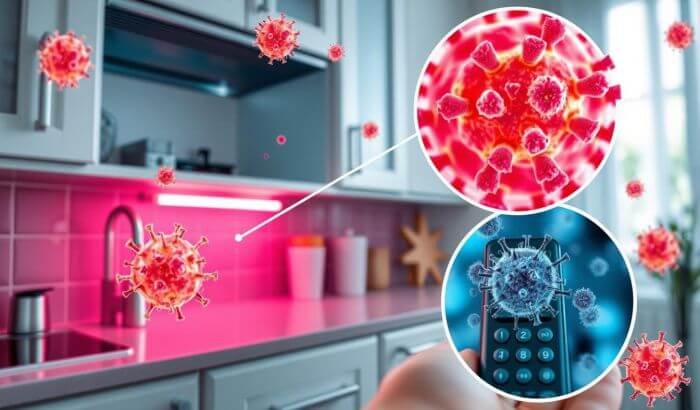
The germiest places in the home are often damp cleaning tools, food-contact areas and shared objects that hands touch repeatedly. A toilet seat attracts attention, though a wet dishcloth that moves between a chopping board, sink and worktop can create the more useful cleaning priority.
There is no fixed league table for every household. Sampling studies test different homes, organisms and surfaces, and detecting microbes does not prove that someone will become ill. A practical routine starts with how contamination arrives, survives and travels.
Key takeaways
- Moisture, residue and repeated transfer make a cleaning tool or surface a higher priority.
- The presence of bacteria is not the same as a measured risk of illness.
- Food and body-fluid contamination change the response more than a dramatic germ-count comparison.
- Routine cleaning and targeted disinfection have different purposes.
- A trigger-based schedule works better than treating every object with the same product every day.
Table of Contents
Germiest places in the home: a practical priority order
Many hotspot lists are based on small sampling studies. Their findings can reveal patterns, especially the prominence of kitchen tools and damp areas, yet the exact order cannot be copied into every London home. A shared flat, a family home with young children and a one-person household have different contact patterns.
What a household sampling study can tell you
A swab result is a snapshot from one item at one time. The sample may measure total bacteria, a specific organism or an indicator group. Results also depend on where the swab touched, how the item was used, when it was last cleaned and how the laboratory processed the sample. Two studies can therefore produce different rankings without either one describing every home.
Risk needs more context than detection. Consider whether the organism can cause illness, whether enough contamination is present, how a person could be exposed and who uses the space. A high count on an isolated object may matter less than a lower count on a cloth repeatedly wiped across a food-preparation surface. Use study results to notice patterns, then apply the household-specific priority factors below.
Use five questions to decide what moves to the top of today’s list. A surface with several yes answers deserves attention before a dry ornament or an untouched shelf.
| Priority factor | Question to ask | Examples | Cleaning response |
|---|---|---|---|
| Food or body fluids | Has raw food, vomit, diarrhoea, blood or another body fluid reached it? | Chopping board, toilet surround, bedding | Act promptly and follow the relevant cleaning and disinfection guidance |
| Moisture | Does it stay damp long enough for residue and microbial growth? | Dishcloth, sponge, toothbrush holder, seal | Clean, rinse where appropriate and dry fully |
| Touch frequency | How many hands touch it between cleaning sessions? | Tap, handle, switch, phone | Clean more often when use increases |
| Shared use | Does it move between people or rooms? | Remote, controller, cleaning cloth | Separate by task or add a regular shared-item clean |
| Transfer potential | Can it carry contamination to food, hands or another surface? | Knife, bag, cloth, mop head | Break the route before cleaning lower-priority areas |
The matrix also explains why visible dirt and hygiene risk do not always line up. Dust on a high shelf is visible. Residue in a damp cloth may be less obvious and travel across several kitchen surfaces during one cleaning session.
How contamination travels through a home
Hands are one route. A person can handle raw-food packaging, turn on a tap, open a cupboard and pick up a phone before washing. The useful response is a handwashing point after the contaminating task plus cleaning of the few touchpoints used along the way.
Cleaning equipment is another route. One cloth used on a toilet surround, basin and bedroom surface carries material across zones. Colour coding or clearly labelled storage helps, provided the cloths are also washed, dried and replaced when worn. A colour does not clean the cloth.
Leaks and drips create less visible routes. Raw-food liquid can reach a fridge shelf, shopping bag or kitchen floor. Water collecting beneath a soap dispenser can keep a worktop joint damp. Fix the source, remove the residue and dry the area before returning stored items.
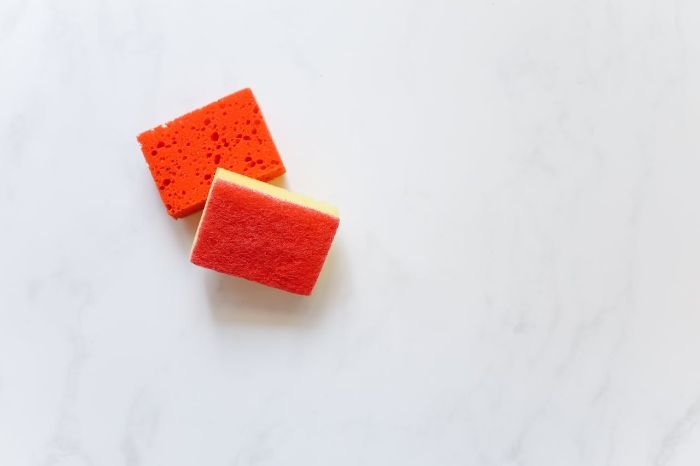
Kitchen cloths, sponges and brushes
A dishcloth or sponge combines water, food residue and repeated contact. It can pick up material from a plate, wipe the sink, cross the worktop and return to a food-preparation area. The item designed to clean can therefore become a transfer route.
Assign cloths to clear tasks and keep a separate one for food-contact work. After use, remove debris, rinse as the material instructions permit and leave the item spread out where air can reach it. A cloth left balled beside the sink dries slowly. Replace a sponge that is damaged, retains debris or develops an odour.
Reusable cloths become transfer routes when one item serves several tasks. Separate their roles, change them regularly, follow the textile’s care label and use a complete wash and dry cycle. Avoid internet hacks that microwave or boil an unsuitable sponge: metal fibres, dryness, unknown materials and uneven heating create avoidable risks.
Brushes need their own maintenance
A brush can dry faster than a thick sponge, though food can remain around the bristle base or handle joint. Remove trapped debris, wash it using the maker’s permitted method and store it so water drains away. Do not use the same brush for pet bowls, raw-food equipment and everyday dishes unless it has been cleaned appropriately between tasks.
Plan Regular Domestic Cleaning
Enter your postcode to view our rates and availability in your area.

Food-contact areas, sinks and fridge seals
Raw food, soil from vegetables and leaking packaging create direct contamination routes. Chopping boards, knives, worktops and hands can then move material to ready-to-eat food. Clean utensils and food-preparation surfaces after raw-food contact, and keep raw and ready-to-eat tasks separate.
The sink is part of that route. Rinsing raw-food equipment can leave residue around the bowl, taps, plug and draining area. Remove scraps first, clean the bowl and touchpoints with a suitable product, and use a clean cloth for the final pass. Official food-area cleaning guidance includes work surfaces, chopping boards, cloths, sponges and touchpoints among the items that need a defined schedule.
Fridge door seals collect crumbs and sticky spills inside folds. A damaged seal also creates a temperature-control problem that cleaning cannot repair. Wipe fresh spills promptly, inspect the folds during the routine fridge clean, dry them and arrange repair or replacement when the seal no longer closes correctly.
Reusable shopping bags deserve attention after leaks or raw-food use. Keep a dedicated bag for raw meat, fish or shellfish, check it after each trip and follow its wash instructions. A visibly clean bag can still have contacted packaging residue. More detailed kitchen food safety decisions belong with the food-preparation routine.
Shared high-touch objects and electronics
Door handles, cupboard pulls, tap levers and light switches receive repeated hand contact. A fixed weekly clean may be enough in a lightly used home and too little in a busy shared kitchen. Increase the frequency when more people use the space, someone is unwell or visible soil returns quickly.
Remotes, controllers, phones, keyboards and touchscreens add a material risk: liquid can enter openings or damage coatings. Power down or disconnect the device when its instructions require it. Apply the permitted product to a cloth, not directly into seams, and keep ports, speaker grilles and battery compartments dry. The device maker’s guidance controls the method.
Shared objects become more relevant when hands move between them and food, faces or several rooms. Handwashing at the right moments and a simple shared-space rota can break that route without disinfecting every possession.

You may also enjoy:

Bathroom moisture and touchpoints
The toilet is not the only bathroom priority. Flush controls, taps, door handles and cabinet pulls combine frequent hand contact with a room where moisture slows drying. Clean the toilet with dedicated equipment, then use separate cloths for basins and general touchpoints so the tool does not move contamination around the room.
A toothbrush holder collects water, toothpaste and dust at its base. Empty and wash it regularly, rinse away residue and let it dry before the brushes return. Store toothbrushes upright with enough space for air movement and avoid contact between brush heads.
Shower curtains, liners, sealant edges and bath mats are mainly moisture-management jobs. Ventilate the room, spread wet textiles to dry and clean them according to their material instructions. Persistent blackening within sealant, recurring damp or a leak behind a surface needs diagnosis; repeated surface spraying will not repair the moisture source.
Other household hotspots need a specific trigger
Pet bowls and feeding mats
Food residue, saliva and standing water make feeding equipment a routine cleaning task. Empty bowls, wash them using the maker’s permitted method and dry the surrounding mat. Keep the cleaning tool separate from one used on human food-preparation surfaces, and wash hands after handling raw pet food.
Children’s toys and shared play items
A toy needs earlier cleaning when it has been mouthed, shared during illness, dropped into food or visibly soiled. Hard plastic, fabric, wood and battery-powered toys require different methods. Check the label, protect openings and dry the item fully before it returns to use.
Washing-machine seals and detergent drawers
Residue and trapped water can collect in door folds and drawers. Remove lint and foreign objects, wipe accessible surfaces and run the maintenance cycle specified by the appliance maker. Leave parts open to dry only where the household can do so safely, and address a leak or damaged seal as a repair issue.
Vacuum tools and mop heads
A floor-cleaning tool picks up soil by design. Empty or replace its collection system as instructed, remove hair from brushes and wash reusable heads after the task. Store every component dry. A dirty mop solution should not travel from the kitchen floor into the bathroom or back across an already cleaned area.
Cleaning, disinfection and sterilisation are different
Cleaning physically removes soil and reduces contamination. Disinfection uses a product or process to reduce viable microorganisms under stated conditions. Sterilisation is a specialist process designed to remove all viable microorganisms and is not the aim of ordinary household cleaning.
Routine surfaces usually need cleaning first. Soil can interfere with a disinfectant, and wiping a dirty cloth across several areas can spread material. If disinfection is warranted, use a product labelled for the organism type and surface, apply the stated dilution, keep the surface wet for the full contact time and follow rinsing directions.
Escalation makes sense after raw-food contamination, body fluids, a diagnosed infectious illness or specific advice for someone at increased risk. UKHSA’s household-focused norovirus cleaning advice, for example, calls for bleach-based disinfection of potentially contaminated surfaces. That situation is different from an ordinary weekly wipe.
Never mix cleaners or add bleach to another product. Ventilate as directed, wear the stated protective equipment and check material compatibility. A disinfectant that damages a device, stone finish or textile has not solved the household problem.
How often to clean each hotspot
Frequency follows triggers more reliably than a universal calendar. Use the baseline below, then shorten the interval for heavy use, shared living, food preparation, pets, illness or a vulnerable resident. Lengthen it only when observation shows the item remains clean, dry and lightly used.
| Hotspot | Useful baseline | Clean sooner when | Main method point |
|---|---|---|---|
| Dishcloth or sponge | Rinse and dry after each task; launder or replace regularly | It handled raw-food residue, smells, stays damp or breaks down | Keep separate tools for incompatible tasks |
| Boards and food worktops | After each food-preparation session | Raw food, spills or soil reaches them | Clean fully and disinfect when the contamination calls for it |
| Sink, taps and bin touchpoints | During the normal kitchen clean | There is a leak, raw-food residue or heavy use | Finish with a clean cloth |
| Handles and switches | Weekly in an ordinary household | Use rises or someone is unwell | Match product and moisture to the material |
| Shared electronics | Weekly or according to use | Several people share them or visible soil appears | Follow manufacturer guidance and protect openings |
| Toothbrush holder | Weekly | Water or toothpaste pools in it | Wash, rinse and dry fully |
| Fridge seals | Check during the monthly fridge clean | A spill enters the folds or the seal becomes sticky | Dry after cleaning and report damage |
| Reusable shopping bags | Inspect after every trip | Raw-food liquid, soil or damage is present | Separate raw-food bags and follow the care label |
A checklist should remain short enough to use. Add the few hotspots that match your household and connect them to an existing routine: wash cloths with the kitchen laundry, wipe remotes before the weekend, inspect fridge seals before the food shop and clean touchpoints during the bathroom reset.
Build a routine that does not chase sterility
A normal home contains microorganisms. The realistic aim is to remove soil, control moisture and interrupt relevant transfer routes. Trying to sterilise every room adds work and product exposure without creating a permanently sterile environment.
Begin with three zones: food preparation, bathroom and general living space. Give each zone its own cloths or tools. Define the triggers that change the baseline, such as raw-food leakage, a shared-house gathering, a child mouthing toys or an episode of vomiting. The system then responds to what happened, not to anxiety about an invisible count.
Finish one zone before moving equipment. Replace dirty solution, move used cloths to a wash container and wash hands at the transition point. Drying is part of completion: hang cloths open, ventilate damp rooms and return objects only when surfaces are dry. A short record on a household rota can prevent duplicated work and missed shared touchpoints.
When consistent household cleaning is the missing step
Hotspots return because people keep cooking, washing, sharing devices and moving through rooms. The professional threshold is often a schedule that no longer fits the household’s available time, not a need to coat every surface in a stronger chemical.
Samyx Cleaning provides regular domestic cleaning across London. A recurring visit can cover the agreed rooms and routine touchpoints using task-separated cloths and surface-compatible methods. Tell the team about delicate finishes, pets, household sensitivities, recent illness and any product instructions that affect the work.
Book Regular Domestic Cleaning
Enter your postcode to view our rates and availability in your area.
Frequently asked questions
-
What is the germiest place in your house?
There is no universal winner. Damp kitchen cloths and sponges often deserve early attention because they combine moisture, food residue and transfer between surfaces. The priority in your home depends on contamination, touch frequency, shared use and how well the item dries.
-
Is the toilet the germiest place in a home?
Not necessarily. Toilets receive deliberate cleaning, and studies frequently identify kitchen tools, sinks or food-contact items as prominent contamination sites. A toilet-seat comparison does not measure the chance of illness. Focus on transfer routes, body fluids, food contact and moisture.
-
Is cleaning enough, or do household surfaces need disinfecting?
Routine household surfaces normally begin with cleaning to remove soil. Add a compatible labelled disinfectant after raw-food or body-fluid contamination, during certain infectious illnesses, or when specific health guidance calls for it. Follow the dilution, contact time and rinsing directions.
-
How often should high-touch surfaces be cleaned?
Weekly is a useful starting point for many ordinary homes. Clean sooner when several people share the item, use is heavy, visible soil appears, food or body fluids reach it, or someone is unwell. Device and surface instructions still control the method.
Important: This guide covers routine household cleaning priorities, not diagnosis, outbreak control or medical care. Follow product and manufacturer instructions, ventilate as directed, wear stated protective equipment and never mix cleaners. For vomiting, diarrhoea, blood, another body-fluid spill, a confirmed infection or a household member at increased risk, follow current NHS or UKHSA advice and seek professional guidance when needed.
Author: Svetlana Georgieva (Clara)
Hi, I’m Svetlana Georgieva, but you can call me Clara. As the co-founder and heart behind Samyx Cleaning, I’m devoted to sharing the art of a clean space. Let’s journey into a cleaner, more joyful life together with tips from London's cleaning experts.

Discover more of our cleaning secrets: