
Washing Mattress Protector Safely Without Damaging It

Last modified on: 04/08/2026

Washing mattress protector covers safely starts with the sewn-in care label, because waterproof membranes, quilted fillings, natural fibres, seams and elastic do not share one wash or drying limit. Check the construction first, treat only what the label permits and keep the protector off the bed until every layer is completely dry.
Let the care label set the wash and drying limits
- Read the sewn-in label and identify whether the protector is waterproof, quilted, filled, zipped or made with a fibre that needs specialist care.
- Inspect the backing, seams, zip and elastic. Replace a protector that is peeling, sticky, cracked or no longer fits securely.
- Blot fresh liquid and use only a stain treatment permitted for that construction. Never mix products or copy a general laundry recipe.
- Use the labelled cycle, detergent amount and load size. The protector must move freely rather than being packed tightly into the drum.
- Air-dry or tumble-dry only as the label allows, then check the fabric, filling, seams and waterproof layer before refitting it.
Key takeaways
- There is no universal wash temperature for every mattress protector.
- Waterproof backing, padding, zips and natural fibres create different risks.
- A crowded drum can prevent rinsing and put strain on seams or filling.
- High heat, unsuitable stain products and fabric conditioner may be excluded by the care instructions.
- Complete drying matters as much as the wash; trapped moisture should never be covered by bedding.
Table of Contents
Washing mattress protector covers starts with the care label
Find the permanent label before choosing a detergent or machine programme. Read the wash symbol, maximum temperature, drying symbol and any warning about bleach, conditioner, dry cleaning or ironing. If the label is missing or unreadable, use the manufacturer and model information where available. Do not assume that a protector sold as washable tolerates the same settings as your sheets.
| Construction clue | Main risk | Decision before washing | Stop condition |
|---|---|---|---|
| Thin waterproof backing | Heat, harsh products or flexing can damage the membrane | Use only the labelled temperature, cycle and drying method | Backing is sticky, cracked, bubbled or peeling |
| Quilted or padded protector | Filling can bunch, retain detergent or hold moisture | Check drum capacity and whether it should be washed alone | Item cannot move freely or remains lumpy after drying |
| Cotton, wool or another named fibre | Shrinkage, felting, colour change or distortion | Follow the fibre-specific label and any professional-clean instruction | Label excludes home washing or colour transfers during testing |
| Zipped encasement | Zip teeth, seams and waterproof joins can be strained | Inspect the zip and fasten it as the manufacturer directs | Zip is damaged or seams have opened |
| Elasticated fitted edge | Heat and stretching can weaken the fit | Keep the elastic untangled and within its labelled heat limit | The protector no longer stays flat and secure |
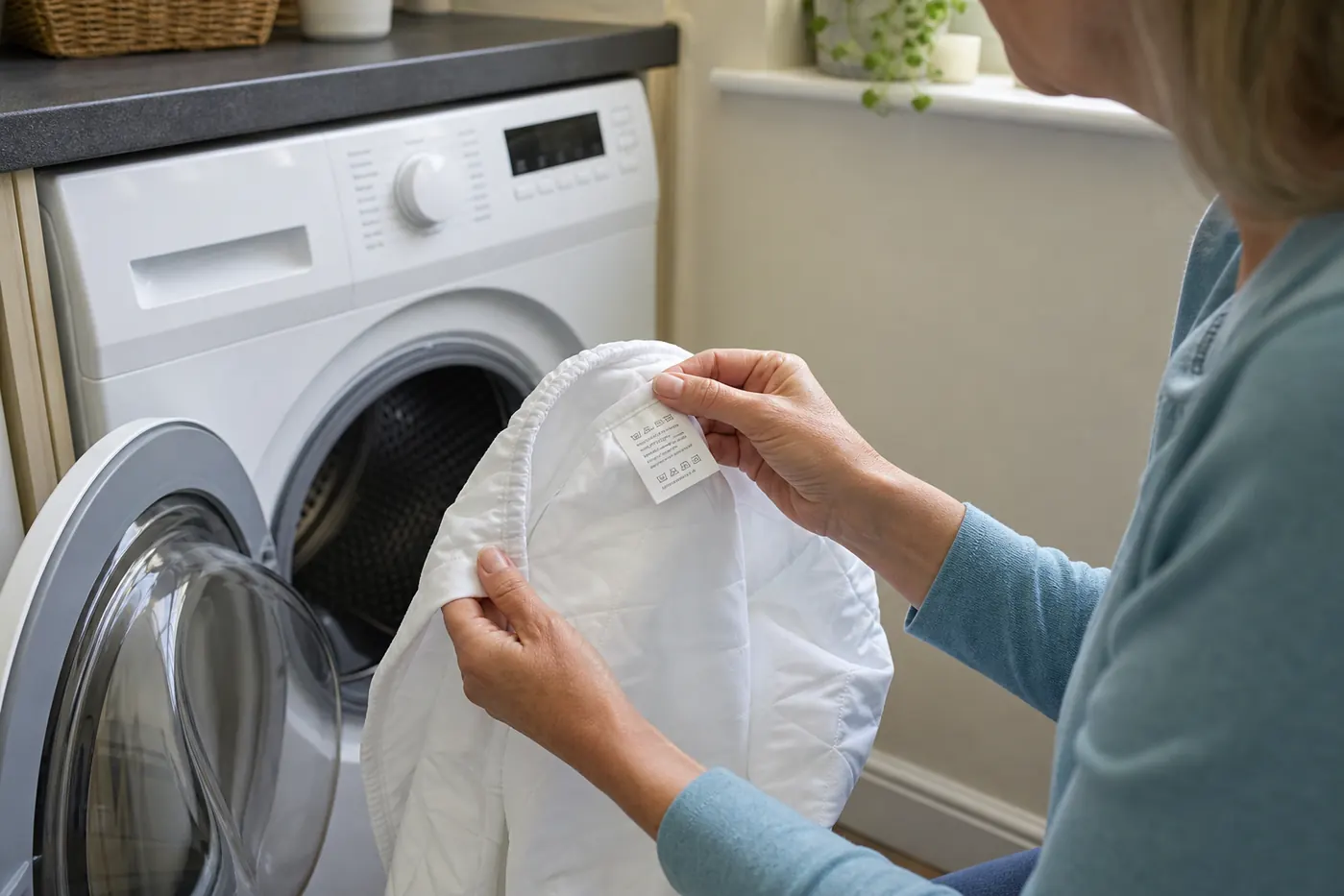
A protector and a topper are not interchangeable. A protector is normally a removable barrier or fitted cover. A topper is a thicker comfort layer that may contain foam, latex, feathers or fibre fill and may not be machine washable. Treat a topper separately under its own care instructions. The mattress below also has its own cleaning and drying limits.
You may also enjoy:

How to wash a mattress protector step by step
1. Remove it without transferring the soil
Strip the sheets first and note which side of the protector faced the sleeper. Fold a visibly soiled area inwards and carry the item directly to the laundry area. Do not shake a protector containing dried debris through the bedroom. For a zipped encasement, open and remove it according to the product instructions so the zip and seams are not pulled against the mattress corners.
2. Inspect both sides and identify the mark
Lay the protector flat in good light. Check the sleep surface, backing, edge, elastic and every seam. A fresh water spill needs a different response from body oil, urine, blood, cosmetics or an unknown old mark. Blot fresh liquid with a clean white towel. Avoid scrubbing because it can spread the mark and stress a thin waterproof layer.
Use a pre-treatment only when both the protector label and product label permit it. Apply the smallest controlled amount and keep within the stated contact time. A clothes method for sweat stains cannot automatically be transferred to a laminated or padded protector. Never combine stain remover with bleach, vinegar, bicarbonate, disinfectant or another laundry product.
3. Choose a compatible load
Check the washing-machine capacity and the protector’s wet weight. A large quilted protector absorbs water and may be much heavier than it feels when dry. Place it loosely in the drum. If it fills the available space, use a suitable larger-capacity or professional laundry route permitted by the label. Forcing it in can leave detergent and soil trapped in folds and can unbalance the machine.
Wash with sheets only when the labels share the same temperature, cycle, detergent and colour requirements, the combined load can move freely, and no zip or fastening can snag the protector. A bulky padded item is often better given more room. Do not add towels simply to fill the drum; their weight and surface friction may change how the load moves.
4. Measure the permitted detergent
Follow the protector and detergent instructions, including the dose for the load size, water hardness and soil level. More detergent is not a stronger clean. Excess can be hard to rinse from quilted layers and may leave stiffness or odour. Use non-bio, enzyme, powder or liquid detergent only when the care instructions allow that choice.
Leave out fabric conditioner, bleach, fragrance booster and disinfectant when the label excludes them. Conditioner can be unsuitable for some absorbent or waterproof constructions, and strong oxidising products can affect colour, fibres or backing. Review broader product safety before using an unfamiliar treatment.
5. Select the labelled programme
Set the maximum temperature and cycle shown on the protector, not the hottest setting available on the machine. A cool or gentle programme is common in product guidance, yet it is not permission to ignore a different label. Use an extra rinse or altered spin only when the protector and machine instructions allow it. Stop if the machine struggles, knocks repeatedly or cannot distribute the load.
Check the wash result before applying heat
Inspect the protector as soon as the programme finishes. Look for detergent foam, concentrated fragrance, a slippery feel or dry patches that suggest the crowded load did not rinse evenly. Check both sides rather than judging only the quilted face. If the label and machine instructions permit another rinse, use that route instead of adding a neutralising product. Do not combine a new chemical with residue whose ingredients you have not identified.
A remaining mark also needs a decision before drying. Heat can make some stains harder to address, but repeated wet cycles can strain seams, filling and waterproof backing. Do not automatically rerun the hottest programme or increase the product dose. Recheck the stain source, the product instructions and the protector condition. If the item smells strongly after the correct wash, feels tacky, sheds coating or shows new bubbles, stop and assess replacement or a suitable professional laundry route.
6. Dry the full construction
Remove the protector promptly and reshape it without twisting or wringing. Air-dry it flat or supported on a line or rack when the label permits. Spread the fabric so folded edges and elastic do not trap moisture. Protect it from dirty rails, sharp pegs and any heat source that exceeds the care limit.

Tumble-dry only when the symbol permits it and stay within the stated heat setting. A waterproof layer can be damaged by unsuitable heat even when the fabric face feels normal. Do not iron the protector, place it directly on a radiator or use a hairdryer unless the manufacturer expressly allows that method.
Before refitting, feel along the elastic, stitched corners, zip tape, quilted channels and any folded edge where moisture can remain after the main surface feels dry. Turn or reposition the protector during permitted air-drying so both faces receive airflow. Do not judge dryness from time alone, and do not trap a cool, damp layer beneath a fitted sheet. Refit only when the protector has returned to its normal shape, every layer is dry and the backing shows no heat or wash damage.
How to handle yellow stains without harming the backing
Yellowing can come from body oils, sweat, urine, product residue, age or previous heat exposure. Identify the likely source and check whether the colour sits only in the face fabric or is accompanied by a change in the backing. A stain that remains after washing does not prove that the protector is dirty, and a bright-looking surface does not prove that the waterproof layer still works.
Use only a label-compatible pre-treatment. Patch-test it on a hidden edge when the manufacturer directs. Blot, wait for the stated time and wash within the care limits. Do not keep increasing concentration or repeat a harsh cycle to chase the original colour. Stop for dye transfer, thinning, tackiness, bubbling or a change in texture. Some old stains are permanent; replacement is safer than destroying the barrier.
Can you clean a protector without a washing machine?
Hand washing is an option only when the care label permits it. Use a clean basin or bath, the labelled water temperature and the correct amount of approved detergent. Support the wet protector as you move it because saturated filling and seams are heavy. Press water through gently; do not wring, twist, scrub the backing or pull the item by its elastic.
Rinse as directed and let excess water drain while the item remains supported. A large protector may be too heavy to handle or dry safely at home. A dry-clean or professional-clean symbol means use a suitable textile-care provider and disclose every stain and product already applied. Surface wiping is not a substitute for full laundering where contamination has passed into padding or seams.
When should you wash a mattress protector?
Follow the manufacturer’s routine interval rather than a single online timetable. Wash sooner after a permitted-to-launder spill, visible soil, odour or a household event that affects the protector. Pets, warm sleepers, young children and repeated accidents may change inspection frequency. Illness-related or unknown biological contamination needs appropriate product, healthcare or specialist guidance without exceeding the protector’s care limits.
- Before first use: wash only when the manufacturer directs or permits it; packaging alone does not override the label.
- After a fresh spill: remove the protector promptly, blot and use its approved wash route.
- During routine care: inspect for odour, marks, seam wear and backing change when changing the bed.
- Before storage: wash when required and allow every layer to dry fully.
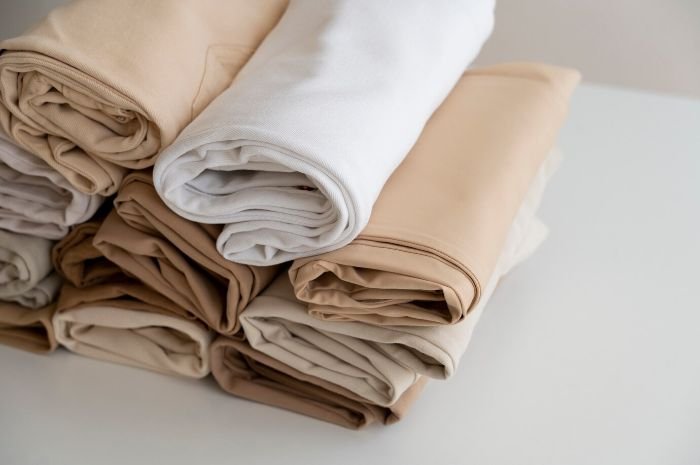
Store the protector loosely folded in a dry, ventilated cupboard after checking the inside of folds and seams. Avoid sealing in residual moisture. Keep the label attached and record any unusual treatment so the next wash does not combine incompatible products. Add protector inspection to your monthly cleaning tasks without assuming it needs washing every month.
Keep it away from direct heat, damp walls and strongly scented or leaking products. Before using a stored protector, unfold it, check the backing and seams in good light and let any harmless storage odour disperse in fresh air. If you find moisture, mould-like growth, pest evidence or unexplained residue, isolate the item and seek the appropriate specialist advice rather than putting it back on the bed.
When should a mattress protector be replaced?
- The waterproof layer is peeling, bubbling, sticky, cracked or visibly thinned.
- Holes, open seams or a broken zip interrupt the barrier.
- The elastic or fitted edge no longer holds the protector flat on the mattress.
- Padding stays bunched or damp after the approved drying process.
- Odour returns after correct washing and full drying, or contamination cannot be safely removed within the care limits.
Do not test waterproofing by pouring a large amount of liquid onto a protector while it is on the mattress. Use the manufacturer’s inspection or test method, or replace an item whose barrier is uncertain. A failed protector can allow moisture into the mattress, where cleaning and drying become a separate material-specific job.
What a cleaner can and cannot do around the bed
Protector laundering remains a care-label textile task and is not presented here as part of a routine cleaning visit. Samyx Cleaning can support the surrounding bedroom through domestic cleaning in London, according to the booked time and agreed priorities. Confirm any unusual request before booking.
Routine room cleaning does not repair a membrane, decide a missing wash label, treat a mattress or replace professional laundry, healthcare, pest-control or mould-remediation advice. Remove personal bedding and disclose sharps, bodily fluids, infestation, mould or unknown contamination before anyone works in the area. Keep the protector separate until it has followed its own safe wash and drying route.
Ask About Regular Cleaning
Enter your postcode to view our rates and availability in your area.

Keep the next wash easier
- Keep the care label attached and photograph it if the print is starting to fade.
- Blot fresh spills promptly and note the substance and products used.
- Rotate or refit the protector only as the manufacturer directs, without stretching the elastic.
- Maintain the washing machine so residue, blocked drainage or a dirty seal does not affect the load.
- Keep laundry products labelled, closed and stored away from children and pets.
Frequently asked questions
-
Can you put a mattress protector in the washing machine?
Only when the sewn-in care label permits machine washing. Check the maximum temperature, cycle, detergent, spin and drying symbols, inspect the backing and seams, and make sure the protector can move freely in the drum. Use a suitable professional laundry route when the item is too large or the label requires it.
-
Can you wash a mattress protector with sheets?
Yes only when both labels allow the same temperature, cycle, detergent and colour treatment and the combined load has enough room to move. Keep zips and fastenings from snagging the protector. Wash a bulky or padded protector separately when the shared load would crowd the drum.
-
What causes yellow stains on a mattress protector?
Possible sources include body oils, sweat, urine, product residue, age and earlier heat exposure. Identify the likely source and use only a pre-treatment permitted for the protector. Stop repeated treatment when the backing becomes sticky, bubbled, cracked or changes texture.
-
How do you clean a waterproof mattress protector without a washing machine?
Hand wash only when the care label permits it. Use a clean basin, the labelled water temperature and an approved detergent, support the wet item and press water through gently without wringing or scrubbing the backing. Use a suitable professional textile-care provider when the label requires it or the item is too heavy to handle and dry safely.
Important: The protector care label, manufacturer instructions and laundry-product labels take priority over general advice. Follow the permitted detergent, dose, temperature, cycle, ventilation, protective equipment and drying method, and never mix products. Keep children and pets away from products and wet laundry. Stop for peeling or sticky backing, open seams, colour or texture change, unknown contamination, illness-related soil, infestation or mould, and seek the appropriate manufacturer, healthcare, laundry, pest or specialist advice.
Author: Svetlana Georgieva (Clara)
Hi, I’m Svetlana Georgieva, but you can call me Clara. As the co-founder and heart behind Samyx Cleaning, I’m devoted to sharing the art of a clean space. Let’s journey into a cleaner, more joyful life together with tips from London's cleaning experts.

Discover more of our cleaning secrets: