
How to Manage Household Waste Safely in the UK

Last modified on: 30/08/2026
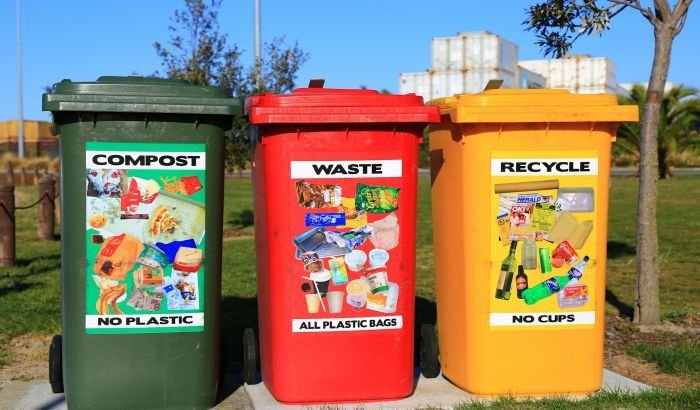
How to manage household waste starts with one local check: confirm what your council collects, how each stream must be presented and where excluded items should go. A useful home system then does three things: prevents avoidable waste, keeps ordinary recycling clean and routes risky or awkward items separately. Bin colours, accepted materials and collection arrangements vary, so no single list works across every London borough. Use the method below to make decisions without guessing, contaminating a recycling load or leaving batteries, chemicals, medicines or sharps in general rubbish.
Use the local route, not a universal bin list
- Check your council’s current collection rules before setting up containers or taking anything to a recycling centre.
- Prevent what you can, then separate reusable items, accepted dry recycling, food waste, residual rubbish and specialist waste.
- Keep batteries, vapes, electricals, paint, chemicals, medicines and sharps out of ordinary household bins unless the responsible service explicitly says otherwise.
- Store every stream securely until collection, and use a council, retailer, pharmacy, healthcare or licensed-carrier route appropriate to the item.
- Clean the emptied storage area only after leaks, sharps, pests and unknown substances have been safely removed or escalated.
Key takeaways
- Check your council before copying another household’s bin system.
- Prevent, repair, donate and reuse before deciding what needs disposal.
- Keep recycling empty, acceptably clean and free from excluded materials.
- Give hazardous, electrical, medical and sharp items their own controlled route.
- Separate waste removal from ordinary domestic cleaning.
Table of Contents
Start with your council’s current rules
Enter your postcode in the GOV.UK checker and follow the linked council instructions. Record the collection day, container type, accepted materials, preparation rules and arrangements for missed collections. If you live in a flat, also check the building’s refuse room, chute and bulky-item rules. The managing agent’s signs do not override council restrictions; they may explain where residents must place accepted waste.
Do not assume that a familiar recycling symbol means the item belongs in your home collection. Packaging can contain several materials. A council may accept some at the kerbside and direct others to a household waste recycling centre. When an item is not named, use the council’s search tool or ask before adding it. Wish-cycling can contaminate otherwise usable material.
Save the relevant council page so memory does not decide the route. Services, container colours and accepted items can change. A short note inside a cupboard door can list only the decisions your household repeatedly gets wrong, such as plastic film, foil, cartons, food caddies or small electricals.
Prevent waste before you sort it
Ask “does this need to become waste?” before asking which bin to use. Check what the household already owns before buying duplicates, plan food around realistic portions and choose refill or return systems only when you will actually use them. A durable item is not a saving if it sits unused and is later discarded.
Repair safe, worthwhile items when parts and skills are available. Offer clean, working belongings through a charity, reuse group or retailer scheme after confirming what the recipient accepts. Donation is not a route for broken, dirty, unsafe or recalled products. Personal documents, data-bearing devices and medicines require dedicated preparation and their own route.
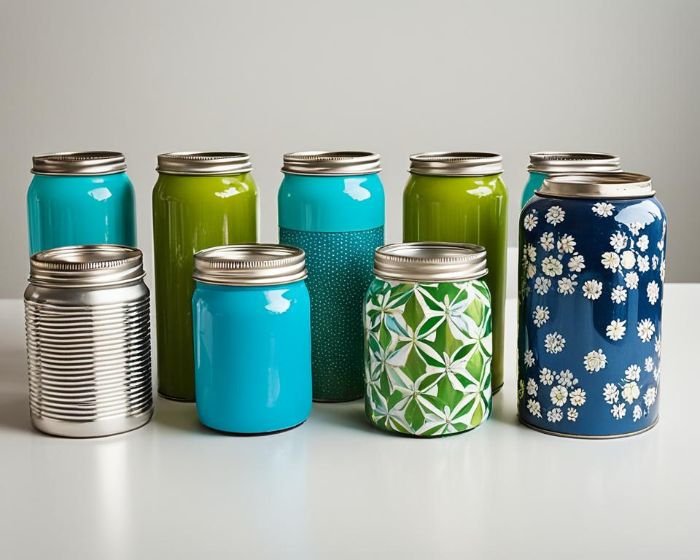
A short decluttering plan helps separate keep, relocate, donate, recycle and specialist-disposal decisions. Set a deadline for outgoing items so bags do not become permanent hallway storage. Reuse containers only when their previous contents, condition and new purpose make that safe.
Build a five-zone sorting system at home
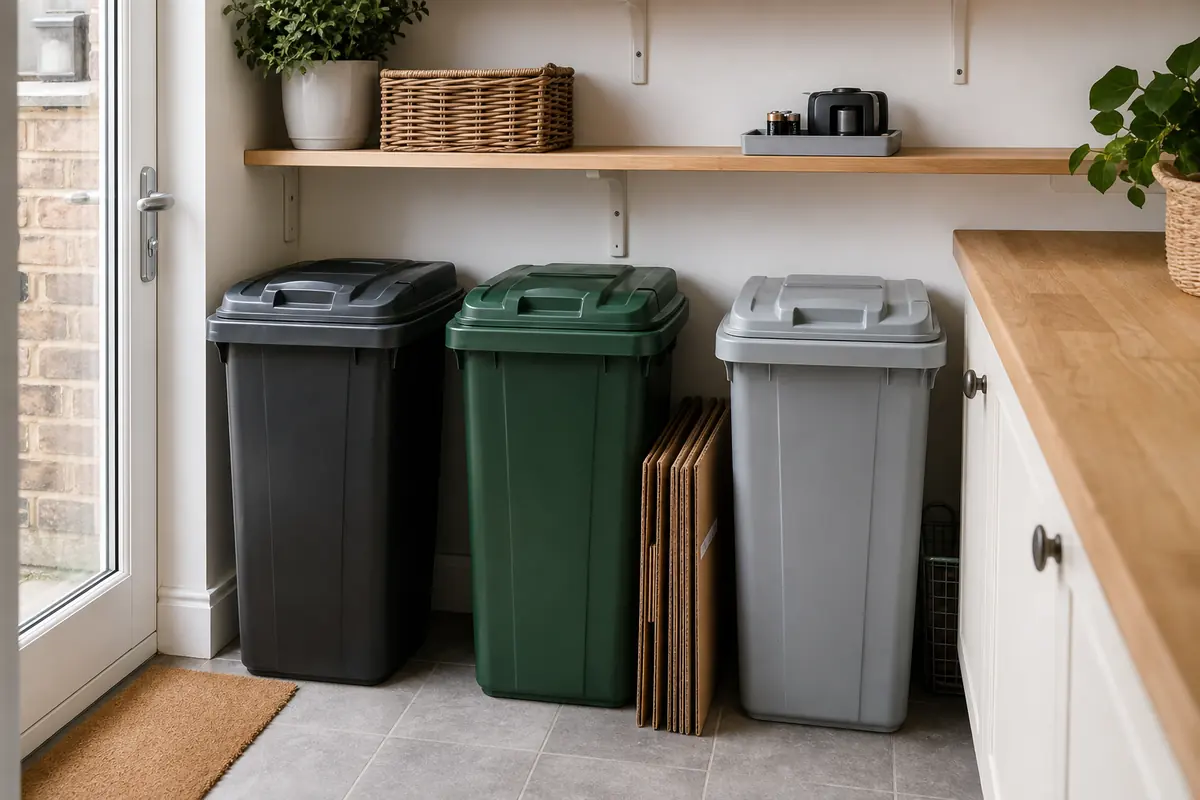
Choose containers after you understand the routes. Most homes need zones for items leaving through reuse, council-accepted dry recycling, separately collected food waste, residual rubbish and specialist drop-off or collection. The zones do not all need full-size bins. A labelled tray for batteries may be more useful than another large container, provided it is secure and kept away from heat, moisture and children.
| Waste stream | Temporary home handling | Next route | Do not |
|---|---|---|---|
| Reusable items | Keep clean, dry and separate from rubbish | Repair, charity, reuse group or take-back scheme | Donate unsafe or unusable items |
| Dry recycling | Empty and prepare as your council requires | Kerbside or communal recycling collection | Add excluded packaging because it looks recyclable |
| Food waste | Use the council-approved caddy and liner arrangement | Separate collection or suitable home composting | Leave loose food where it can leak or attract pests |
| Residual rubbish | Bag securely and keep within the designated container | Normal council rubbish collection | Hide batteries, electricals, liquids or sharps inside |
| Specialist waste | Keep original labels and separate incompatible items | Council, retailer, pharmacy, healthcare or licensed route | Mix, decant, crush, puncture or burn it |
Place daily-use containers close to where waste occurs and away from food-preparation surfaces and escape routes. Use washable containers with secure lids where leaks or smells are possible. A shared household also needs one named person to check the rules and another simple rota for emptying internal bins before they overflow.
How to manage household waste by route
Ordinary recycling
Empty containers and follow the council’s instructions on rinsing, lids, labels and flattening. The aim is to prevent food or liquid from spoiling other material without wasting hot water on presentation. Keep wet paper and greasy packaging out when your council excludes them. Put loose recyclable items in the stated container unless bags are specifically required.
Do not nest different materials unless the council tells you to. A metal tin filled with plastic pieces is harder to sort. Broken glass, drinking glasses, ceramics and mirrors may use different routes from accepted glass bottles and jars. If the communal bin is contaminated or full, report it. Do not leave material beside it.
Food and garden waste
Use the caddy, liners and presentation method specified by your council. Keep the lid closed and empty the kitchen container often enough to prevent leaks. Clean and dry the caddy before replacing its liner. This supports ordinary food hygiene; it does not replace cleaning food-contact surfaces after spills.
Home composting can suit suitable plant-based material when you have an appropriate site and can manage it properly. It is not a universal answer for all cooked food, animal products, diseased plants, invasive plants or treated materials. Check local guidance and the composting system’s instructions. Do not move every organic-looking item into one heap. Garden waste collections and recycling-centre rules also vary.
Bulky items and clearance waste
For furniture, mattresses and large appliances, compare the council’s bulky collection, an eligible retailer take-back scheme, a reuse organisation and a registered waste carrier. Confirm the item, price, access requirements and collection date before moving it outside. In England, householders should take reasonable steps to pass waste to an authorised person, so keep the carrier’s details and any receipt.
Do not leave items on the pavement, in a shared bin room or beside communal containers without permission. If you are clearing several rooms, sort before booking collection so reusable items stay clean and chemicals or electricals do not disappear inside mixed bags.
Electricals, batteries and vapes
Keep electrical items and batteries separate from normal rubbish and ordinary recycling unless your council explicitly provides a named collection. Use a council site, small-electrical collection or retailer take-back route that accepts the item. Do not dismantle mains equipment or puncture, crush or charge a damaged battery. Isolate it from combustible material and follow the manufacturer’s or accepting service’s safety instructions.
Vapes contain electrical components and batteries, so treat them as electrical waste. Do not drop them into a household bin. Keep loose batteries from contacting metal objects; protect terminals if the collection scheme instructs you to. A swollen, hot, leaking or damaged battery needs specific advice, not a longer stay in the kitchen drawer.
Paint, chemicals, medicines and sharps
Keep household chemicals in their original labelled containers and follow the product label plus the council’s route. The same label-first approach applies to chemical safety during use and storage. Do not combine leftovers, pour them into drinks bottles or tip them into sinks, toilets, drains or soil. Paint acceptance can depend on type, condition and quantity. Unknown, leaking or previously mixed products need advice before transport.
Take unwanted medicines to the route specified by a pharmacy or healthcare provider; do not flush them or place them loose in a bin. Needles, lancets and other sharps belong in an approved sharps container and a collection or return arrangement confirmed with the council or healthcare service. Never reach into a bag containing an unidentified sharp.
You may also enjoy:

Store waste safely before collection
Use intact containers that suit the contents. Keep lids closed, bags within their weight limit and liquids upright. Store waste away from children, pets, heaters, direct sun, food and ignition sources. Do not block doors, stairs, corridors, fire equipment or access for other residents. In a communal area, follow the building’s fire and access rules.
Deal with a leak at the source. Keep people away, ventilate when appropriate and read the label before touching an identifiable product. Do not improvise with another chemical. Unknown substances, damaged batteries, gas cylinders, asbestos-containing material, sewage, pest contamination and extensive biological waste need the relevant specialist or emergency route.
On collection day, close bags and containers as instructed and put them out only at the permitted time and place. Bring reusable containers back promptly. If a collection is missed, return the waste to secure storage and report it through the council’s process. Do not add it to another stream.
Clean the area after the waste has gone
Once waste has been removed, pick up visible dry debris, then clean the bin or storage surface with a method compatible with its material and the residue. Follow product labels, ventilation, contact time and rinsing instructions. Wash hands after handling waste. Do not assume that adding more product, mixing products or masking an odour has made the area safer.
Samyx Cleaning can help with ordinary, accessible domestic surfaces after household waste has been safely sorted and removed. A one-off cleaning visit may suit a kitchen, utility area or room that needs a reset after an ordinary clear-out. The service is not a waste collection, hazardous-material, sharps, clinical-waste, sewage, pest or hoarding-clearance service. Describe the condition and access when requesting a quote so the scope can be agreed before the visit.
Plan a One-Off Clean
Enter your postcode to view our rates and availability in your area.

Frequently asked questions
-
How do you manage daily household waste?
Check the council routes first, then keep separate places for reusable items, accepted recycling, food waste, residual rubbish and specialist waste. Empty internal containers before they overflow, keep lids closed and assign one person to check changing local rules.
-
What is the best way to get rid of household waste?
Use the route that matches the item: normal council collections for accepted household streams, and council, retailer, pharmacy, healthcare or registered-carrier routes for excluded items. Do not burn, bury, fly-tip or hide specialist waste inside ordinary bags.
-
What should not go in general household waste?
The exact list is local. Batteries, vapes, electricals, chemicals, liquids, medicines, sharps and gas cylinders commonly need separate instructions. Check your council and the responsible collection service before disposal.
-
How can a household reduce waste at home?
Buy to a realistic plan, use what you already own, repair safe items and pass clean working belongings to an accepting reuse route. Preventing an unnecessary purchase usually saves more material than deciding how to dispose of it later.
Important: This is general household guidance, not a substitute for current council, product, landlord, building, healthcare or emergency instructions. Never mix waste chemicals, burn or bury household waste, place loose sharps in a bag, or pour unwanted products into drains or soil. Keep batteries, vapes, electricals, medicines, chemicals and gas cylinders on the route specified for that item. Stop and seek suitable advice for unknown substances, damaged batteries, asbestos, gas, sewage, clinical waste, sharps, pests or any spill you cannot identify and control safely.
Author: Svetlana Georgieva (Clara)
Hi, I’m Svetlana Georgieva, but you can call me Clara. As the co-founder and heart behind Samyx Cleaning, I’m devoted to sharing the art of a clean space. Let’s journey into a cleaner, more joyful life together with tips from London's cleaning experts.

Discover more of our cleaning secrets: