
Benefits of Regular Laundry: A Practical Frequency Guide

Last modified on: 18/08/2026
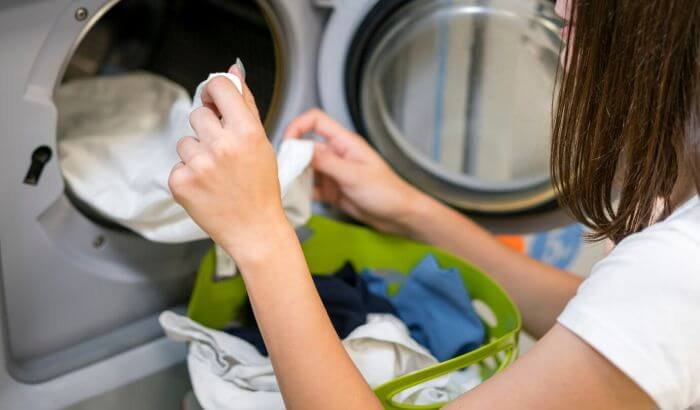
Benefits of regular laundry begin with removing the sweat, body oils, everyday soil and odour that collect on clothing, towels and bedding during use. A useful routine does not mean washing every item after every wear. It means deciding by skin contact, moisture, visible soiling, smell, use and the sewn-in care label.
That distinction matters. Leaving damp or heavily soiled fabric in a basket makes stains and odours harder to manage. Washing clean outer layers too often can waste water and wear the fabric unnecessarily. The practical aim is a repeatable system that sends the right item to the machine at the right time.
Key takeaways
- Regular laundry removes accumulated soil and odour before they become harder to deal with.
- Wash timing should change with the item, wear, moisture, household circumstances and care label.
- A normal lower-temperature wash can suit lightly soiled everyday items when the fabric and detergent instructions permit it.
- Allergy, illness and contamination situations need their own guidance, not a universal 60°C rule.
- Prompt drying, sensible detergent dosing and basic machine care are part of the routine, not afterthoughts.
Table of Contents
Benefits of regular laundry without over-washing
The clearest benefit is control. Sweat, skin oils, food, outdoor soil and product residue are easier to address when laundry does not sit indefinitely. Prompt attention also lets you identify a mark before heat from washing or drying changes it. For an unfamiliar spill, check the fabric and use the relevant stain guide before putting the item through a full cycle.
A regular system also separates high-contact items from pieces that may be worn again. Underwear, socks and sportswear have different wash needs from a coat or pair of jeans. Treating every item alike creates either a neglected basket or unnecessary washing. Sorting by use makes the routine easier to sustain and reduces last-minute loads.
Comfort is another practical outcome. Freshly washed and fully rinsed fabric is less likely to carry stale odour or obvious residue. Laundry is not medical treatment. If clothing, detergent or bedding seems to aggravate a skin or breathing condition, follow advice from a qualified healthcare professional and the product manufacturer. Do not respond by increasing temperature or adding products at random.
How often should different items be washed?
There is no single household timetable. The table below is a starting point for ordinary use, not a medical or manufacturer instruction. Move an item to the wash sooner when it is stained, sweaty, damp, shared, used during illness or carrying a strong odour. If the care label sets a different limit, the label wins.
| Item | Practical starting point | Wash sooner when |
|---|---|---|
| Underwear and socks | After each wear | Do not rewear between washes |
| Sportswear | After each sweaty use | It is damp, heavily soiled or left in a kit bag |
| Shirts and close-fitting tops | Assess after each wear | There is sweat, odour, make-up or visible soil |
| Nightwear and bras | After several wears if clean and dry | Skin contact, sweat or product residue increases |
| Trousers, jeans and outer layers | Rewear if dry, clean and odour-free | There is a stain, strong odour or prolonged close contact |
| Bath towels | After several uses with complete drying between them | They stay damp, smell musty, are shared or become soiled |
| Bed linen and pillowcases | Weekly to fortnightly is a workable household starting point | There is heavy sweating, illness, pets on the bed or visible soil |
| Duvets, pillows and protectors | Use the maker’s care schedule | There is a spill, odour, contamination or a specific allergy plan |
Sweaty garments deserve early attention because residue becomes harder to remove once it has dried repeatedly or gone through heat. If discolouration is already present, check the separate guide to sweat stains before running another full wash.
Use five checks before loading
- Contact: Did the item sit directly against skin, absorb sweat or collect food and body-care products?
- Condition: Is there visible soil, a stain, an odour, dampness, colour transfer or damage that needs attention first?
- Compatibility: Can its colour, fibre, fastenings and care limits safely share a load with the other items?
- Cycle: Does the chosen detergent, temperature and programme match both the labels and the level of soiling?
- Drying: Is there enough time and space to dry the complete load before anything is worn or stored?
This check prevents a common mistake: using the main wash to solve every problem. A stain may need compatible pre-treatment, a damaged seam may need repair and a non-washable piece may need professional textile care. Separate these decisions before adding detergent. Never combine bleach, stain removers, disinfectants, acids or other laundry products unless the manufacturer explicitly says they are compatible and gives the method.

Choose the wash temperature and cycle
Start with three instructions: the garment care label, the washing-machine programme guide and the detergent label. Together they set the safe temperature, load size, cycle and dose. More heat is not automatically better. It may shrink a garment, fade dye, damage elastic or harm a waterproof layer. Too much detergent can leave residue and make rinsing harder.
For lightly soiled everyday items, a lower-temperature cycle may be suitable when the labels permit it. Ofgem advice notes that modern machines and detergents can clean clothes at lower temperatures. That does not turn 30°C into a universal setting: oil, heavy soil, bodily fluids, illness-related laundry and some household textiles can need a different programme.
The common 60°C recommendation also needs context. Cambridge University Hospitals gives 60°C bedding advice specifically to people diagnosed with house dust mite allergy and says it should be used with Allergy Clinic advice. Its CUH guidance is not a rule that every household must apply to every towel, sheet or garment. Check that the item can tolerate the selected programme and follow personal medical advice where relevant.
Finish the cycle properly
A wash is not finished when the drum stops. Remove the load when practical, separate items that need different drying methods and let everything dry completely before it is worn, folded or stored. There is no evidence-based household rule that washing becomes unsafe at exactly 30 minutes. The useful instruction is simpler: do not leave wet fabric closed in a warm drum for long enough to develop a stale or musty smell.
If a forgotten load smells musty, check the items and care labels before deciding whether to rewash. Do not mask the smell with extra product or combine laundry additives. A recurring smell may come from overloading, overdosing, slow drying or residue in the appliance. Inspect and maintain the filter, drawer, drum and rubber seal in line with the machine manual.
You may also enjoy:

Make the routine easier to keep
A practical routine starts before wash day. Keep a ventilated place for ordinary dry laundry and deal separately with wet, heavily soiled or contaminated items. Empty pockets, close fastenings where the label recommends it and check marks before loading. Group items by compatible colour, fabric, temperature and cycle, not by whether there is space left in the drum.
Keep care information with items that are easy to confuse, such as removable covers and specialist sports fabrics. A quick label check is faster than trying to reverse shrinkage, dye transfer or heat damage after the cycle.
Choose a rhythm that matches the household. One person may prefer two planned loads a week; a family with sports kit, pets or young children may need smaller loads more often. The benefit comes from avoiding both extremes: a growing pile that becomes difficult to sort, and half-empty cycles run simply because a rigid calendar says it is wash day.
Hard water can affect detergent dosing and the feel of fabric. It does not justify guessing. Use the hard-water instructions on the detergent pack and the machine manufacturer’s maintenance advice. Do not add a softener, descaler, vinegar or other product unless it is compatible with both the appliance and the fabric.

How Samyx Cleaning Can Help With the Wider Home
Laundry deals with washable fabric. It does not remove dust from floors, wipe high-contact surfaces or clean the areas around a bed and wardrobe. Keeping these jobs separate prevents exaggerated promises: washing sheets cannot clean a mattress, and vacuuming a bedroom cannot replace washing a soiled pillowcase.
Samyx domestic cleaning can support the surrounding home within the booked time and agreed priorities. It is not presented here as a laundry, medical-allergen treatment or specialist contamination service. If routine floors, surfaces and bedroom dust are taking time away from your household schedule, use the booking route below for the cleaning work that actually fits the service.
Book Regular Domestic Cleaning
Enter your postcode to view our rates and availability in your area.

Frequently asked questions
-
What are the benefits of regular laundry?
Regular laundry removes everyday soil, sweat, body oils and odour before they become harder to manage. A planned routine also makes stains easier to spot, keeps damp items from sitting in a basket and helps separate after-each-wear items from clothes that can be worn again.
-
How often should clothes be washed?
Wash underwear, socks and sweaty sportswear after each wear. Assess shirts, trousers and outer layers by skin contact, sweat, visible soil, odour and whether they dried fully. The care label and any situation-specific health advice override a general timetable.
-
Is a 30°C wash enough for everyday laundry?
It can be suitable for lightly soiled everyday items when the care label, machine programme and detergent instructions permit it. Heavy soil, bodily fluids, illness-related laundry or a diagnosed allergy plan may call for a different programme. Do not raise the temperature beyond the fabric limit.
-
Why do clean clothes sometimes smell musty?
Common causes include leaving wet washing in the drum, slow drying, overloading, excessive detergent or residue in the machine. Check the care labels, dry items completely and maintain the appliance according to its manual. Do not combine products to cover the smell.
Important: General household laundry information cannot replace medical, allergy-control, infection-control or textile-restoration advice. Follow the sewn-in care label, appliance manual and product instructions. Never mix laundry or cleaning products. For illness, bodily fluids, diagnosed allergy, persistent skin or breathing symptoms, mould, infestation or unknown contamination, use current guidance from the appropriate healthcare, public-health, manufacturer or specialist service.
Author: Svetlana Georgieva (Clara)
Hi, I’m Svetlana Georgieva, but you can call me Clara. As the co-founder and heart behind Samyx Cleaning, I’m devoted to sharing the art of a clean space. Let’s journey into a cleaner, more joyful life together with tips from London's cleaning experts.

Discover more of our cleaning secrets: