
Best Plants for London Garden Conditions: What to Grow

Last modified on: 30/08/2026
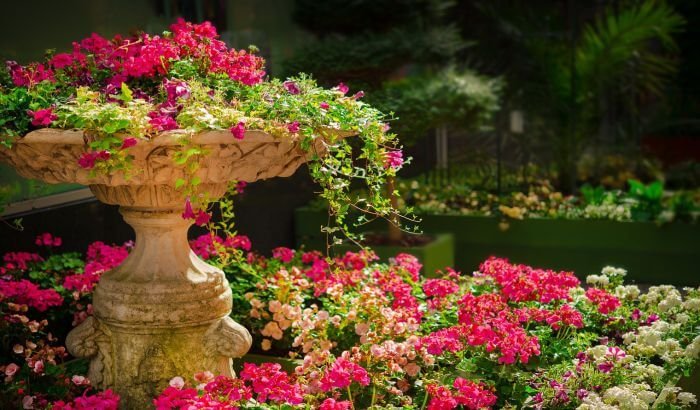
The best plants for London garden conditions are chosen after you check light, soil, drainage, wind, space and the time available for care. A plant that thrives beside a warm south-facing wall may struggle in a shaded courtyard or an exposed balcony.
Use the plant groups below as a shortlist, then confirm the named variety’s mature size, hardiness and care label before buying. The same species can include compact and vigorous forms with very different uses.
Key Takeaways
- Measure the site before choosing plants from a recommendation list.
- Group plants with similar light, soil and moisture needs.
- Use mature height and spread to protect paths, windows and neighbouring plants.
- Balance seasonal flowers with permanent structure and manageable care.
- Pause the plan when drainage, access or structural work needs professional input.
Table of Contents
Best plants for London garden conditions at a glance
London gardens can sit close together and still behave differently. Buildings cast long shadows, walls store heat, paving changes runoff and upper-floor containers meet stronger wind. Start with the row that resembles your position, then verify the plant label and local conditions.
| Garden situation | Candidate plants | Verify before buying | Common failure |
|---|---|---|---|
| Sunny and free-draining | Lavender, salvia, sedum, verbena | Cultivar hardiness, mature spread and winter drainage | Wet roots or overcrowding |
| Part shade with moderate moisture | Hardy geranium, heuchera, selected ferns | Actual hours of light and soil moisture | Treating deep shade as part shade |
| Sheltered position with moisture-retentive soil | Hydrangea and suitable shade-tolerant perennials | Soil pH, final size and moisture without waterlogging | Planting a large shrub beside a narrow route |
| Containers and window boxes | Compact heuchera, seasonal petunia, small grasses | Root volume, drainage, wind and watering capacity | Choosing by current pot size |
| Year-round structure | Suitable evergreen shrubs, grasses and persistent stems | Final dimensions, exposure and pruning needs | Expecting every plant to look unchanged all year |
| Wildlife-led planting | Locally suitable wildflowers and mixed hedging | Source, species, site fit and maintenance | Using an unsuitable generic seed mix |
These names are practical starting points. Lavender in heavy wet soil is a poor match. A hydrangea that eventually blocks a path creates a new maintenance problem. A compact plant may still fail when its container dries within hours on a windy balcony.
Read beyond the plant name
Two plants sold under the same familiar name can differ in height, spread, flower colour and cold tolerance. Keep the full cultivar name from the label. It gives you a better reference for later pruning, feeding and problem checks than a receipt that says only shrub or perennial.
Inspect the plant before purchase. Look for balanced growth, firm stems and a root ball that holds together without forming a dense circling mass. A few damaged leaves may reflect handling. A spreading pattern of spots, distortion, pests or stem damage needs closer assessment before the plant joins the garden.
Ask how the plant was grown and hardened when moving it into a much more exposed position. Give it time to adjust, keep its label and note the planting date. Those details make it easier to separate transplant stress from a recurring site problem.
Read the London microclimate first
Light and reflected heat
Check direct light at several points during the day. Repeat the observation as the season changes because surrounding trees and the sun angle alter the pattern. A position described as sunny may receive only a short bright interval between buildings.
South-facing walls and glass can raise leaf and container temperatures. Plants near them may need more root space and closer moisture checks. North-facing walls can hold shade for longer and may dry slowly after rain. Choose from the measured conditions, not the compass direction alone.
Soil, pH and drainage
Observe what happens after sustained rain. Standing water, compacted ground and runoff from paving can rule out plants that need free drainage. Very dry soil beneath walls or mature trees creates a different limit because roots compete for moisture.
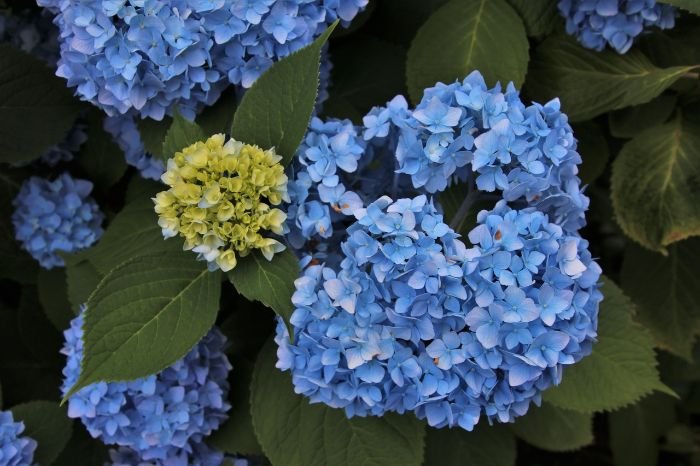
A basic soil test can guide plants with a strong pH preference. Hydrangeas vary in flower colour and performance by type and soil conditions. Rhododendrons and azaleas generally need acidic conditions, so an ericaceous container can be more controllable than altering unsuitable ground.
Wind, frost and rain shadow
Upper balconies and roof terraces can expose plants to wind that is barely noticeable at street level. Secure containers, avoid top-heavy combinations and leave safe access for watering and pruning. A wall or overhang may protect from rain and create a dry root zone at the same time.
Urban warmth does not remove frost risk. Low corners can collect cold air, and exposed pots cool faster than soil in an open bed. Check the hardiness of the named variety and the exposure category on its label before relying on a general London recommendation.
Choose plant groups by position
Sunny beds with free drainage
Lavender, salvia, sedum and verbena are useful candidates for a bright position. Their forms differ: some create low ground-level mass, some form upright clumps and some send flowering stems above neighbouring plants. Check the final spread and place shorter plants where taller growth will not shade them.
Drainage remains part of the choice throughout winter. Adding gravel to the surface does not repair compacted or saturated soil beneath it. Improve the planting position properly, use a suitable raised container or choose a plant that tolerates the existing ground.
Part shade and sheltered corners
Hardy geraniums, heucheras and suitable ferns can provide foliage and seasonal interest where direct light is limited. The word shade covers a wide range. Bright open shade, dry shade beneath a tree and a dark enclosed passage should not receive the same shortlist.
Space plants using their mature width. Closely packed foliage restricts access for inspection and makes weeds or damage harder to see. Leave room around vents, drain covers, doors and utility points that need maintenance.
Pots, balconies and seasonal colour
Containers let you control compost and position, yet they also limit root volume. Choose pots with open drainage and enough weight or support for the exposure. Confirm building rules and load limits before adding large planters, stored compost or water features.
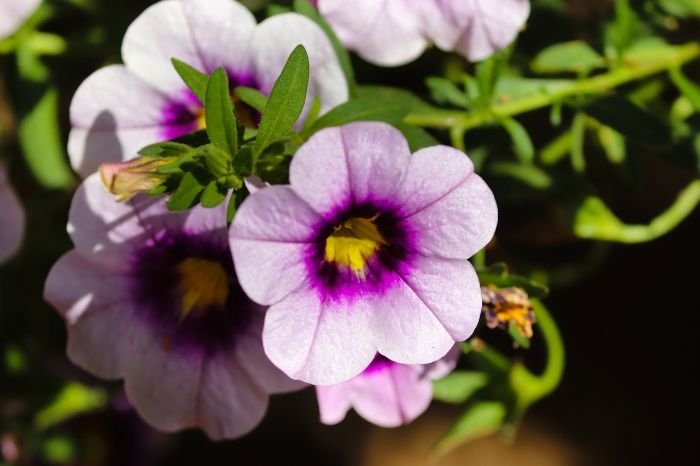
Petunias and other tender bedding plants can provide colour during warmer months. Treat them as seasonal choices and follow the variety label for light, feeding and temperature. Permanent structure can come from a suitable compact shrub or grass chosen for the final container size.
Place containers where excess water cannot stain a facade, create a slip hazard or fall onto the property below. Keep doors, shared routes and emergency access clear. A light plastic pot is easy to move and may be unstable in strong wind; a heavy pot needs safe handling and adequate support.
Plan Your London Garden
Enter your postcode to view our rates and availability in your area.

Build structure across the seasons
Year-round interest does not require every plant to flower or remain unchanged. Combine a limited structural framework with plants that peak at different times. Evergreen foliage, bark, seed heads, grasses and the shape of bare stems can each contribute during colder months.
- Structural layer: choose a small number of shrubs or grasses with dimensions suited to the final space.
- Seasonal layer: add perennials and bulbs with different periods of growth, flowering or seed.
- Flexible layer: use containers or seasonal bedding where a display can be changed without disturbing the whole bed.
- Access layer: retain visible routes to drains, boundaries, taps and plants needing regular care.
Repeat a few compatible forms or colours to connect the planting. Buying one of every attractive plant can create competing care needs and an unsettled layout. A simple plan with measured spacing gives each plant a clearer role.
Choose a maintenance level you can sustain
Planting density changes the workload. More plants can cover soil sooner and also create more pruning, dividing, watering and access decisions. Sparse planting leaves visible gaps during establishment and may expose more soil to weeds. Use mature dimensions to find a workable middle point.
Count repeated tasks before buying. Containers need moisture checks, seasonal displays need replacement and clipped forms need scheduled cutting. A long border built from many unrelated plant types can create several feeding and pruning routines. Fewer compatible groups are easier to observe and maintain correctly.
Decide what happens during holidays, illness or a busy period. Irrigation can help only when it is designed, monitored and adjusted for the plants and weather. It cannot correct blocked drainage, an undersized pot or a plant placed in unsuitable light.
Add wildlife value with site-fit planting
The Wild London campaign includes drought-resistant planting and mixed hedgerows among its garden actions. Adapt those ideas to the available soil, light and mature space. A generic wildflower mix can fail when its species do not match the ground or ongoing cutting plan.
Buy plants, bulbs and seed from responsible sources. Never remove them from wild sites. Check current restrictions before work that may affect protected plants, nesting birds or other wildlife. Keep a small water source clean and safely positioned if it forms part of the plan.
Detailed ground-cover plants advice covers low planting and weed suppression. Use it after confirming that spreading growth will not cover access points or compete with smaller plants.
You may also enjoy:

Turn the shortlist into a planting plan
Prepare for planting and establishment
Plant when the soil and weather suit the named plant. Avoid working saturated or frozen ground. Prepare an area wide enough for the root system without burying the stem or crown deeper than the label recommends. Water the root zone after planting and check that excess water can leave the site.
New planting can need closer observation during establishment than mature planting nearby. Check below the surface before watering and adjust for rainfall, temperature, exposure and root development. Repeatedly wetting only the surface can leave the deeper root zone dry.
Supports and ties should hold the plant without rubbing or cutting into the stem. Review them as growth thickens. Replace dead plants only after checking the original cause. A second plant in the same unsuitable position can repeat the failure.
Photograph the new layout and keep a short record of plant names, positions and care dates, giving the household or gardener a shared reference when growth changes. Record unusual frost, heat, wind or prolonged rain beside any damage, so later decisions reflect the conditions around the plant and not only its appearance. Review the plan after the first winter and full growing season, when drainage, shade, flowering time and actual mature spread are easier to judge. Move or replace a plant only after confirming that a small care adjustment, extra space or corrected drainage will not solve the identified problem.
- Draw the usable area. Mark paths, doors, drains, boundaries, windows, utilities and existing plants.
- Add the conditions. Record sun, shade, soil, moisture, wind and reflected heat for each zone.
- Choose the structure. Place the largest suitable plants first using mature dimensions.
- Fill the seasonal gaps. Add perennials, bulbs or containers with compatible care needs.
- Test the workload. Count the pots, watering zones, pruning tasks and replacements the plan creates.
Use a garden checklist to place the new planting inside the wider seasonal workload. Reduce the number of plant types when the watering, pruning or replacement plan exceeds the time available.

When Samyx can help with the garden layout
Choosing one pot is usually a manageable home decision. Professional design becomes more relevant when planting affects levels, drainage, fixed beds, access, screening, paths or the relationship between several garden zones.
Samyx Cleaning can quote for London landscaping after reviewing the space, access, existing layout and desired result. Plant choices still need confirmation against the final aspect, soil, mature dimensions and the named varieties available.
Local pages for Battersea gardeners and Fulham gardeners show two covered areas for ongoing work. Confirm availability and whether maintenance, clearance or landscaping matches the actual task.
Routine landscaping and maintenance do not replace tree surgery, structural engineering, electrical work or specialist diagnosis of an unknown plant problem. Separate those requirements early so the correct trade can assess them.
Request a Landscaping Quote
Enter your postcode to view our rates and availability in your area.
Frequently asked questions
-
What is the 70/30 planting rule?
The phrase is used in different design contexts, so treat it as a visual planning idea, not a universal horticultural rule. A garden still needs plants matched to its light, soil, moisture, mature space and care capacity. Use any proportion only after those conditions and access routes have been mapped.
-
What plants look good all year round in the UK?
No plant looks identical through every season. Suitable evergreen shrubs, grasses, bark, seed heads and structured stems can provide winter interest when combined with seasonal flowers. Check the named variety’s hardiness, final size, exposure and maintenance needs before relying on it for permanent structure.
Important: Follow the plant label, product label and tool manufacturer instructions over general guidance. Check mature size, hardiness, toxicity and edible use for the named variety, especially around children and pets. Wear suitable protection, use clean tools and never mix garden chemicals. Do not collect plants from the wild. Confirm balcony loads and building rules, and seek qualified advice for unidentified disease, protected wildlife, unsafe access, unstable trees or structural work.
Author: Svetlana Georgieva (Clara)
Hi, I’m Svetlana Georgieva, but you can call me Clara. As the co-founder and heart behind Samyx Cleaning, I’m devoted to sharing the art of a clean space. Let’s journey into a cleaner, more joyful life together with tips from London's cleaning experts.

Discover more of our cleaning secrets: