
Wildlife Friendly Garden London: A Practical Guide

Last modified on: 30/08/2026
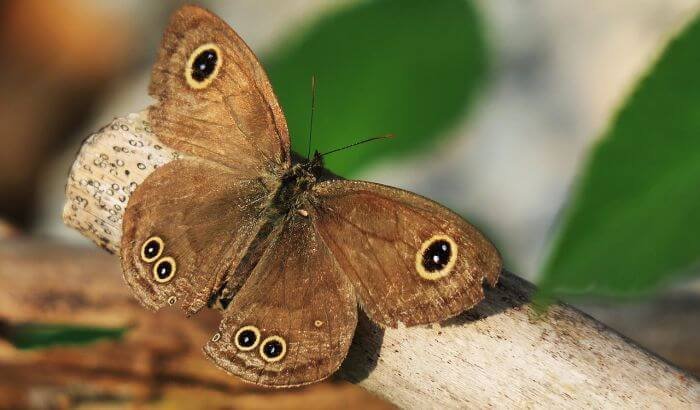
A wildlife friendly garden London residents can maintain starts with four things: food, water, shelter and a safe route through the space. You do not need a large lawn, a pond or a perfectly wild garden. A few connected features, chosen for the actual light and soil, can make a balcony, courtyard or small back garden more useful to local wildlife.
Begin with what is already working. Keep healthy mature plants where practical, observe where insects and birds visit, and change one part of the garden at a time. New planting still needs watering, pruning and space control. Water stations and feeders need regular cleaning.
Key Takeaways
- Start with habitat layers, not a shopping list of boxes and feeders.
- Match every plant to the site’s light, moisture, soil and mature size.
- Use shallow water, escape routes and regular cleaning to reduce avoidable hazards.
- Check for active nests before cutting trees, hedges or dense vegetation.
- Keep the design manageable so wildlife features do not disappear during a rushed clear-out.
Table of Contents
Wildlife friendly garden London plan at a glance
This table turns a broad idea into a set of site decisions. It is not a promise that a particular species will arrive. Nearby green space, weather, disturbance, season and the wider neighbourhood all affect what visits.
| Garden need | Practical feature | Main check | Ongoing job |
|---|---|---|---|
| Food across seasons | Mixed flowering plants, seed heads, shrubs and climbers | Light, soil, mature size and plant label | Water during establishment and prune at the right time |
| Safe water | Shallow dish, bird bath or small pond | Stable position, shallow edge and exit route | Top up, remove debris and clean as appropriate |
| Shelter | Dense planting, hedge, log pile or leaf area | Fire risk, trip routes, damp beside structures and pet access | Inspect without repeatedly disturbing the feature |
| Movement | Connected planting and a suitable boundary gap | Neighbouring property, security and pet containment | Keep the route open without widening it blindly |
| Low disturbance | Dark periods and planned seasonal cutting | Safety lighting and active wildlife | Aim lights down and check before pruning |
Plan Your Wildlife Garden
Enter your postcode to view our rates and availability in your area.

Survey the space before changing it
Watch the garden at different times of day. Mark the areas that receive direct sun, remain shaded, dry quickly or stay wet after rain. Note existing flowers, shrubs, trees, cracks, walls, fences and drainage points. A plant that suits a bright raised bed may struggle in the compacted shade beside a wall.
Record how the household uses the garden. Keep paths, steps, gates, play areas and working space clear. If children or pets use the area, check plant labels, water depth, access to logs and the position of feeders or sharp fixings. A habitat feature should not create a concealed trip point or block maintenance access.
Do not remove mature growth merely to start again. An established hedge or climber may already provide cover and food. Make large changes in stages, especially where you do not know what is nesting, roosting or sheltering in the existing vegetation.
Build four connected habitat layers
Food from flowers, seeds and fruit
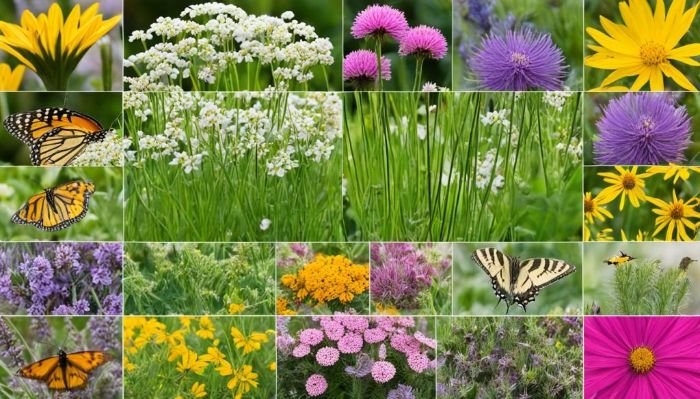
Use several flowering periods to extend the garden beyond one summer display. Early flowers, summer blooms, autumn berries and seed heads can lengthen the useful season. The exact value varies by plant and visitor, so treat named species as candidates and check the final variety, mature spread and site conditions.
Native plants can support close ecological relationships. A native-only rule is too blunt for every urban garden, and a suitable non-invasive plant may provide nectar, pollen, fruit, structure or cover. Avoid claims that any single plant attracts all pollinators or feeds wildlife throughout the year. The London Wildlife Trust provides a useful habitat-led starting point.
For edible planting, use the aspect, pot and harvest checks in the London herb guide. Leave some seed heads where they are safe to retain. Remove diseased material and plants that are spreading beyond their intended area.
Water with a safe way out
A shallow dish can be useful in a small space. Set it on a stable surface, add stones that break the water line, and position it where visiting birds can see approaching danger. Change the water frequently in warm weather and clean the container when fouling or algae appears. The London Wildlife Trust advises shallow water and landing stones for insects.
A small pond adds a different habitat and needs a sloping edge, stones, logs or another exit from the water. Do not transfer frogs, fish, plants or water from another pond, as this can move disease or unsuitable species. Check the risk to young children, pets, paving, foundations and buried services before installing any pond or sunken container.
Shelter at several heights
Combine low cover, denser shrubs and vertical planting where the site allows. A small log pile in partial shade, leaf litter beneath shrubs and a patch of longer grass can provide different conditions without turning the whole garden into an unmanaged area. Keep organic material away from doors, vents, timber structures and places where damp or pests are already a problem.
Boxes and insect hotels are additions, not substitutes for habitat. Choose a design for the intended species, mount it securely and follow specialist placement and cleaning advice. Do not open or move an occupied box. If the garden lacks food, water and cover, adding more accessories does not correct the underlying gap.
Routes through and between gardens
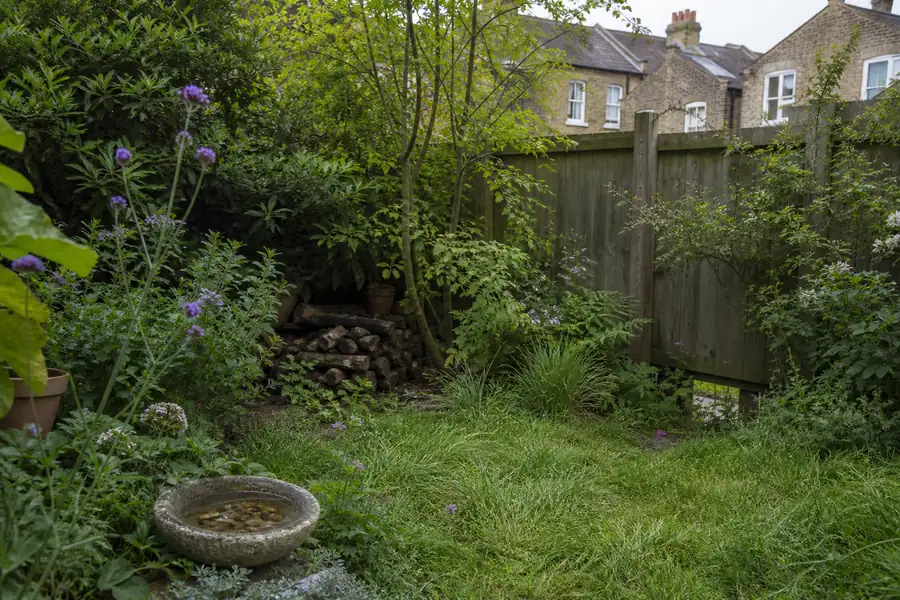
Connected planting is often more useful than isolated pots surrounded by hard paving. Link a climber, shrub, ground layer and water source where possible. The RHS wildlife advice includes longer grass, dead wood and dense planting among the options.
A small ground-level fence opening may support movement between suitable gardens. Check security, pet containment and the neighbouring side before making one. Never cut a hole into a boundary you do not own or alter a barrier that has another safety function.
You may also enjoy:

Use small spaces vertically
A balcony, courtyard or paved front garden can still provide a sequence of flowering pots, a climber and shallow water. Choose containers with drainage holes and enough weight to remain stable. Check balcony load limits, secure hanging containers and prevent water from dripping onto entrances or neighbouring property.
Group pots with different heights to create more cover and make watering easier to organise. Match each plant to the real hours of sun and wind exposure. Peat-free compost and careful watering choices can reduce avoidable environmental pressure. Container plants usually dry faster than those in open soil.
Where bare soil needs a managed living layer, compare options in the ground cover guide. Fast spread is not automatically helpful in a narrow border, and vigorous plants need an edging and containment plan.
Maintain the habitat without clearing it away
Use a planned tidy-up
Divide the garden into managed and lower-disturbance areas. Keep paths, steps and seating clear. Retain selected stems, leaves or longer grass elsewhere. This looks intentional and reduces the risk of every habitat feature being removed during one large seasonal clear-out.
The garden checklist can organise routine jobs around access, plant health and the season. Remove litter, sharp items, diseased growth and blocked drainage promptly. Do not confuse wildlife value with leaving every material in place.
Check before cutting
Inspect trees, hedges, climbers and dense vegetation before pruning. UK government guidance states that it is an offence to intentionally take, damage or destroy a wild bird’s nest during its use or construction. If you find an active nest, stop work in that area, do not move or expose it, and obtain suitable advice.
A calendar date alone does not prove that vegetation is clear. The practical test is whether a nest is active. The wild bird guidance explains the protected activities and when specialist or authorised action may be needed.
Reduce chemical and light disturbance
Identify the plant, pest and level of damage before treating anything. Improve plant spacing, watering and soil conditions where those are contributing to the problem. Use traps, barriers or hand removal only where they suit the target and do not create another hazard. If a product is needed, choose one authorised for that exact use and follow its label. Never mix garden products or improvise sprays from vinegar, oils or cleaning chemicals.
Check unknown or unusually vigorous plants before cutting, composting or moving them. Some invasive non-native plants have special control and disposal rules, and small fragments can spread the problem. Use the current invasive plant guidance or seek specialist identification when the plant is uncertain.
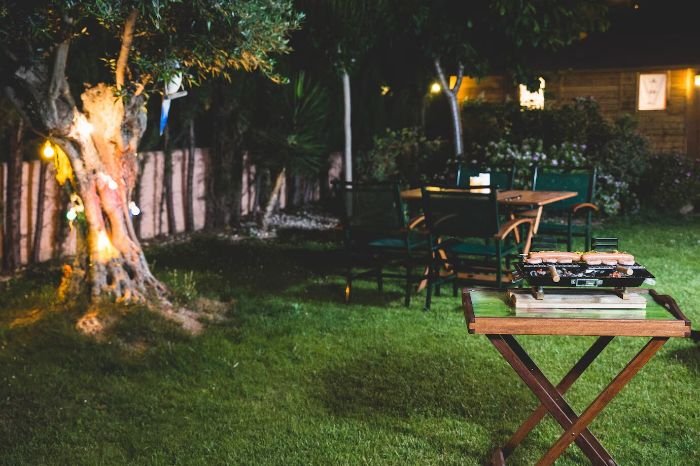
At night, use only the light needed for safe access. Aim fittings down, keep light within the task area and use controls that limit how long it remains on. Colour and technology do not make poorly positioned lighting harmless. Use the layout checks in the garden lighting article.
A practical year-round rhythm
| Period | Useful review | Avoid |
|---|---|---|
| Late winter and early spring | Check water containers, supports and planned planting gaps | Cutting dense growth without checking for active nests |
| Late spring and summer | Maintain clean water, support new plants and watch dry containers | Leaving deep or stagnant water and watering without checking soil |
| Late summer and autumn | Retain selected seed heads, add suitable mulch and manage spread | Moving unknown invasive plant material or covering plant crowns |
| Winter | Review structure, storm damage, access and the next planting layer | Removing every stem, log and leaf area for uniform tidiness |
This rhythm is a review framework, not a fixed pruning calendar. Plant variety, weather, active wildlife and site conditions decide the actual job and timing.
When garden support is useful
Professional help can be useful when the garden needs a new layout, several planting layers, drainage decisions or changes to hard landscaping. Samyx London landscaping can support the practical layout and planting work. Wildlife outcomes still depend on the wider setting, season and how the garden is maintained.
For an established garden, garden maintenance can help with planned cutting, access, routine plant care and controlled tidy-ups. Tell the team about known nests, ponds, boxes, retained habitat areas, pets and any plant that may need specialist identification before work begins.
Request Garden Maintenance
Enter your postcode to view our rates and availability in your area.
Frequently asked questions
-
How do I make a small London garden wildlife-friendly?
Start with one connected group of features: flowering plants for more than one season, shallow clean water, dense cover and a controlled patch of leaves, logs or longer grass. Use pots and climbers when ground space is limited. Keep access clear and choose every plant from the actual light, soil, moisture and mature size.
-
Do wildlife-friendly gardens need only native plants?
No single plant rule suits every urban garden. Native plants can support close ecological relationships. Suitable non-invasive plants may also provide nectar, pollen, fruit or shelter. Choose a varied mix for the site, avoid invasive species and check the exact variety, mature spread and label before planting.
-
How can I tidy a wildlife garden safely?
Keep paths and hazards managed, and tidy selected habitat areas in stages. Check dense vegetation, hedges and trees for active nests before cutting. Clean water containers, remove diseased growth and litter, control plants that are escaping, and stop when protected wildlife or an unknown invasive plant may be affected.
Important: Follow plant labels, product instructions and current wildlife guidance over general advice. Check water, fire, trip, child, pet, balcony-load, boundary and buried-service risks before adding a feature. Never mix garden or cleaning chemicals. Stop work around an active nest, protected species, unsafe tree, unidentified invasive plant, damaged structure or contaminated material, and seek the appropriate specialist advice.
Author: Svetlana Georgieva (Clara)
Hi, I’m Svetlana Georgieva, but you can call me Clara. As the co-founder and heart behind Samyx Cleaning, I’m devoted to sharing the art of a clean space. Let’s journey into a cleaner, more joyful life together with tips from London's cleaning experts.

Discover more of our cleaning secrets: