
A Step-by-Step Guide to Getting Red Wine Out of Carpets

Last modified on: 01/09/2026

To remove red wine stain from carpet safely, contain the spill first, identify the carpet or rug, and choose one compatible treatment rather than layering household chemicals.
Contain the wine before choosing a treatment
- Lift any solids, then press a clean white towel onto the spill. Work from the outside towards the centre and do not rub.
- Check the fibre, colourfastness, backing and care instructions. Treat wool, silk, viscose, handmade or valuable rugs as specialist items.
- Use a small amount of one compatible treatment on a hidden test area. Do not add heat or combine stain removers.
- Blot out the treatment, rinse sparingly where the care instructions allow, then extract as much moisture as possible.
- Let the area dry completely before judging the result. Escalate if colour transfers, the stain has dried, the backing is wet or a previous treatment changed the colour.
Wine stains are as inevitable as taxes if you like drinking red wine and have a light carpet. No matter how careful you are, there’s always that one spill that catches you off-guard.
The good news is wine stains aren’t as difficult to remove as their reputation would have you think. In fact, in most cases, it’s not the wine that ruins people’s carpets – it’s their attempts at cleaning wine stains.
So let’s learn how to clean red wine stains the right way with our step-by-step guide. And remember – always consume alcoholic beverages responsibly.
Key takeaways
- Blotting controls the spill; rubbing, scrubbing and flooding can spread wine into a larger area or carry it into the backing.
- Fresh, dried and previously treated stains are different jobs. A method that helps one can complicate another.
- Fibre, dye and construction decide what is safe. A fitted synthetic carpet and a wool or handmade rug should not be treated as the same surface.
- Use one compatible product at a time, follow its label and remove the residue instead of stacking mixtures.
- Stop when colour transfers, the backing becomes saturated or the mark may be bleaching or heat damage rather than remaining wine.
Table of Contents
Remove Red Wine Stain from Carpet: Choose the Right Branch
Before reaching for a cleaner, decide which problem is in front of you. The safest next step depends on both the age of the mark and the construction beneath the visible pile.
| What you see | First decision | When to stop |
|---|---|---|
| Fresh spill on a known, colourfast synthetic carpet | Blot, use minimal cool moisture and follow one compatible stain-treatment route | The towel picks up carpet dye, the mark spreads or the backing becomes wet |
| Dried or next-day mark | Rehydrate cautiously only if the care instructions allow, then blot and reassess | The fibre stiffens, colour changes or previous chemistry is unknown |
| Previously treated stain | Identify what was used before adding anything else; remove residue where safe | There is bleaching, browning, heat damage or an unknown chemical remains |
| Loose rug | Check the label, fibre, dye stability, backing and floor underneath | The rug is wool, silk, viscose, handmade, valuable or the dye transfers |
| Fitted carpet with a large spill | Check whether wine has reached the underlay or subfloor | Odour, persistent dampness or reappearing colour suggests deeper saturation |
Why does red wine leave stains?
Have you ever wondered why red wine stains like it’s getting paid for it? It’s all thanks to tannins and vibrant colour compounds and oils that think your carpet is the new spot for hangouts.
If “tannins” sound familiar, it’s probably because they are. They’re the same reason coffee and tea stain your precious carpets. It’s the same culprit with different accomplices.
These complex compounds stick to your carpet fibers like magnets stick to iron. But don’t worry – your floor covering doesn’t need to look like it came out of a modern art museum until you replace it. Cleaning red wine stains is quite possible! Here’s how.
The visible colour is only part of the problem. Wine can travel down the yarns, spread through the backing and later wick back towards the surface as the carpet dries. That is why using more liquid is not automatically more effective.
Immediate steps to take after a spill
When wine hits the carpet, you need to act fast. I’ve repeated this so many times, Chris, our SEO manager told me he’s tired of reading it (sorry, Chris – it’s true).
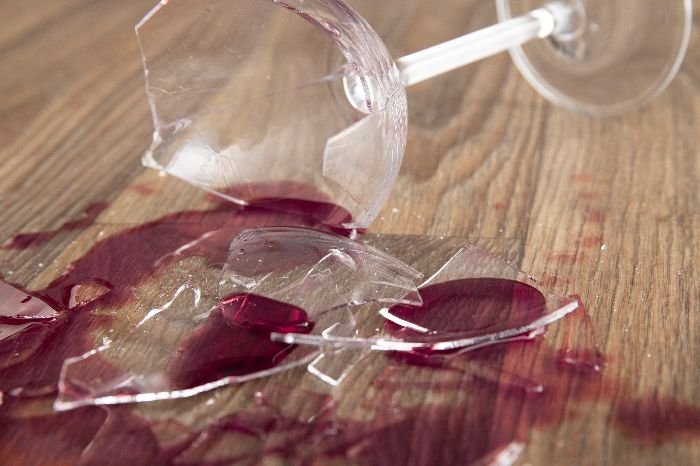
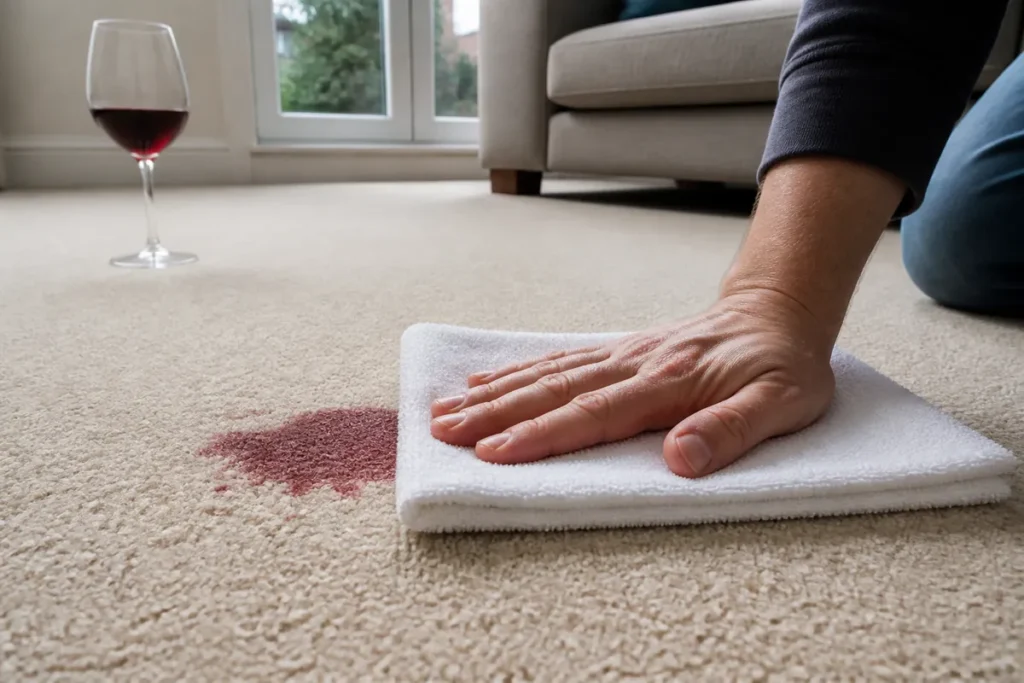
Act quickly and blot the spill as much as you can. Blot gently and soak up as much as you can. Remember, rubbing is the enemy – it’s like inviting the stain to spread out and make itself at home.
It’s best to blot with a clean, dry cloth. You want to absorb as much as you can without giving it the chance to set in. Unfortunately, this will not solve your red wine stain problem, but it’s a good first step to prevent things from spiraling out of control.
- Pick up the glass and lift any solid debris without pressing it into the pile.
- Place a clean white towel over the spill and press. Replace it as it absorbs wine so you can see whether carpet dye is transferring.
- Work towards the centre. Do not scrub, use a steam cleaner or pour on enough liquid to soak the underlay.
- Check the carpet or rug care information before choosing the next method. If you cannot identify the fibre, keep the intervention conservative.
- After treatment, blot with clean towels, rinse only as permitted and arrange airflow until the surface and backing are fully dry.
Check Carpet Cleaning Availability
Enter your postcode to view our rates and availability in your area.

DIY solutions to cleaning red wine from carpet
Another thing Chris and our regular readers might be tired of hearing is that I’m a staunch advocate for DIY, eco-friendly solutions. But it’s true. Allow me to share my favourite methods.
Start with the least aggressive option compatible with your carpet. Avoid mixing methods in one session: residues from one treatment can change how the next behaves, and a pile that is already wet makes it harder to control the result.
Absorb the red wine stain with salt
Caught the spill fresh? Throw salt over it like you’re warding off a wine ghost (if the word “Winchester” just popped into your mind, then you have a fine taste in television).
Salt’s absorbent nature will suck up most of the wine, making it easier to clean up (though I wouldn’t call it a breeze). Throw some salt on it, wait a bit, vacuum, and you’re done with this step.
Use dry absorbent material only while the spill is fresh and accessible. Do not grind crystals into delicate pile, and remove them thoroughly before adding moisture. A clean towel gives you more control when the fibre or dye is uncertain.
How to clean red wine from carpet with dish soap and hydrogen peroxide?
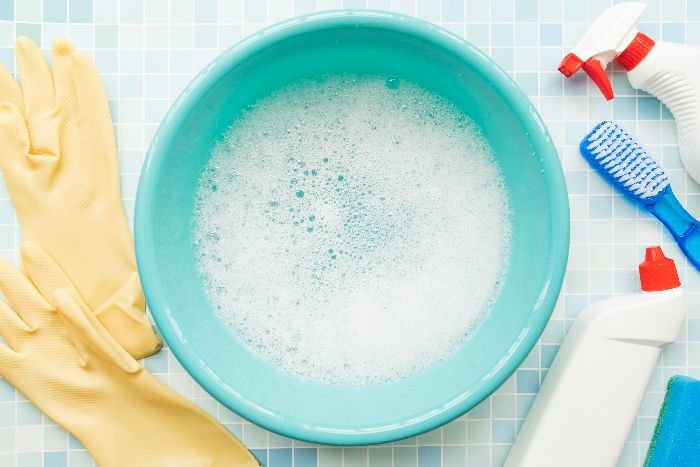
For those stubborn stains that mock your quick reflexes, mix dish soap with hydrogen peroxide. This duo bubbles through the stain, breaking down the wine’s grip on your carpet fibers.
Caution: This solution only works if your carpet is a light colour since hydrogen peroxide is a bleaching agent. Remember to test this on a small, inconspicuous area, first.
Total Time: 20 minutes
Step 1: Prepare your solution.
Mix 1 part dish soap and 2 parts hydrogen peroxide in a small bowl.
Step 2: Apply the solution.
Once you’ve confirmed the mixture is safe for your carpet, begin applying it. You can use a small sponge or a clean towel. Dab it into the solution and then blot the red wine stain. Don’t forget – no rubbing. Rubbing will only make matters worse.
Step 3: Wait for the solution to do its magic.
After applying the solution, give it some time to work its magic. You’ll likely notice some bubbling as the hydrogen peroxide reacts – that’s a good sign. It means the solution is actively breaking down the wine’s pigments.
Step 4: Blot and Repeat.
Once the bubbling has subsided, take a clean, dry cloth and blot the treated area to soak up the solution and lift the stain. If the stain persists, you can repeat the application process, giving the hydrogen peroxide more time to work.
Step 5: Rinse and dry.
After the stain has been lifted, rinse the area with cold water to remove any residue from the cleaning solution. Blot the area again with a dry cloth to remove as much moisture as possible, and then allow the carpet to air dry completely. You might want to elevate the damp area slightly to ensure good airflow and quicker drying.
Supply:
- Dish soap
- Hydrogen peroxide
- Cold water
Tools:
- Small bowl for mixing solution
- Sponge or clean towel for application
- Clean, dry cloth for blotting
This is it. Simple, right?
Hydrogen peroxide can remove colour from more than the stain. Keep this method away from dark, natural, hand-dyed or otherwise uncertain carpet, and never combine it with vinegar, bleach, ammonia or another stain remover. If the test area changes, stop. After a successful treatment, residue still needs to be rinsed out sparingly and the carpet dried completely.
You may also enjoy:

Red Wine Removal From Carpet with White Vinegar
White vinegar isn’t just for salads – it’s a stain-fighting champion. Dilute with water, apply, and blot your way to a cleaner carpet. It’s like a reset button for your wine mishaps. Here’s how to do it:
- Step 1: Prepare the solution. Mix 1 tablespoon white vinegar, 1 tablespoon dish soap, and 2 cups warm water.
- Step 2: Apply it to the stain. Dip a clean cloth in the mixture and gently blot the red wine stain.
- Step 3: Blot until it’s removed. Continue blotting until the stain lifts.
- Step 4: Rinse and dry. When you’re happy with the result, rinse the area with cold water and blot with a dry cloth. Then let the carpet air out.
Note: Don’t forget to perform the spot test, first.
Vinegar is not a universal carpet treatment. Check the manufacturer or rug-care guidance, keep it away from unknown natural fibres and never apply it over peroxide, bleach or an unidentified residue. Use as little liquid as the job permits.
How to Get Rid of Red Wine Out of Carpet With Baking Soda and Water
Baking soda is another one of the kitchen ingredients I often use for cleaning.
- Step 1: Create a paste. Mix baking soda with water until it forms a thick paste.
- Step 2: Apply the baking soda paste to the stain. Gently apply the paste onto the wine stain.
- Step 3: Let it sit. Allow the paste to dry completely on the carpet.
- Step 4: Vacuum. Once dry, vacuum up the dried paste.
- Step 5: Rinse and dry (if needed). In case your vacuum cleaner is not powerful enough to properly vacuum the baking soda leftovers, rinse as you would with any other method.
Keep the paste shallow and localised. Powder trapped deep in the pile can leave a pale residue, and extra rinsing can move moisture into the backing. Do not use this as a way to neutralise or combine another chemical treatment.
Store-bought solutions
Sometimes, the DIY approach is not powerful enough. For those times, there’s a whole world of commercial cleaners ready to come to your rescue. Look for options that are as kind to the environment as they are tough on stains. Carefully read and follow the instructions and you should be fine.
Match the product to the carpet fibre and the type of stain, not just the colour on the bottle. Follow the label’s dilution, dwell time, ventilation and rinsing instructions. More product or a longer dwell time can leave residue or damage dye without removing more wine.
What to Do with a Dried or Previously Treated Red Wine Stain
A red wine stain on the carpet the next day needs diagnosis before strength. First establish whether you are seeing wine, detergent residue, browning from over-wetting or permanent colour loss caused by an earlier treatment.
- Ask what has already been used and whether heat, bleach, peroxide, vinegar or a commercial stain remover touched the area.
- Vacuum loose dry residue without grinding it deeper into the pile.
- If the care guidance permits, dampen the mark sparingly with cool water and blot. Do not flood the carpet in an attempt to restart the original spill.
- Test one fibre-compatible stain treatment in a hidden area, follow its instructions and extract the residue.
- Dry the area with airflow and inspect it only when fully dry. Reappearing colour or odour may indicate contamination in the backing or underlay.
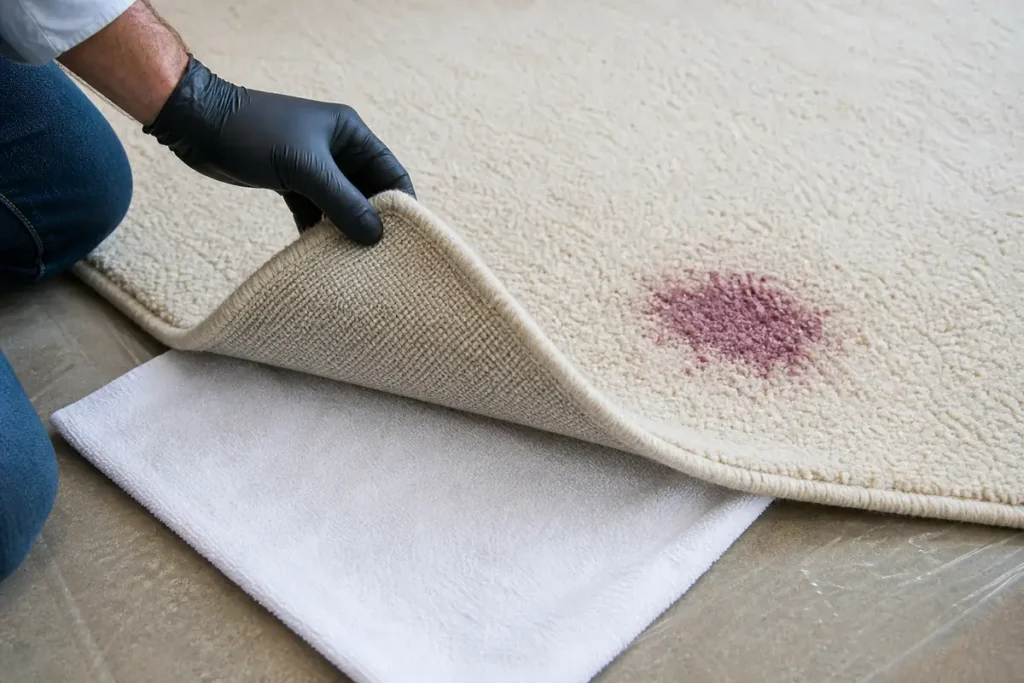
For a removable rug, inspect both sides and protect the floor underneath while you assess it. Do not soak a rug simply because it can be lifted. Dye migration, shrinkage, distortion and damage to the floor beneath can turn a small stain into a larger restoration problem.
When to call in the experts
How Samyx Cleaning can help
When the stain decides it’s in for the long haul, it might be time to call in the professionals. They’ve got the tools and expertise to banish even the most stubborn stains. We’re talking hot-water extraction and all other kinds of carpet cleaning methods.
Early professional assessment is the safer route for wool, silk, viscose, handmade or valuable rugs; unstable dyes; broad spills; wet backing; recurring odour; or stains already exposed to several products. Professional treatment can improve many stains, but no responsible cleaner can promise to reverse dye loss, bleaching, heat damage or permanent changes to the fibre and backing.
Need Carpet Cleaning Service?
Enter your postcode to view our rates and availability in your area.
Preventing future wine stains
The best battle is the one you don’t have to fight. Consider area rugs and keeping the party away from carpeted areas. And remember, a stable wine glass could save the day.
Conclusion
Feeling ready to face the next wine spill with more confidence and less anxiety? With these tips and tricks, you’re armed and ready to keep your carpets looking as good as new, no matter what life – or your wine glass – throws at them! And, as always, if you need us, we’re never more than a phone call away.
FAQs
Q: Can club soda help?
Yes, club soda can help thanks to its fizzy nature. Just blot the stain, then pour some club soda on it, and then blot some more. Rinse and repeat until the stain is gone. If it doesn’t go away, try one of the other methods in the article.
Q: Hot or cold water for cleaning?
Stick to cold to prevent the stain from setting in. Instinctually, you might be tempted to use hot water (especially if you’ve heard of hot water extraction). However, using hot water if you don’t know precisely what you’re doing runs the risk of ruining your carpet.
Q: Can I use hydrogen peroxide on a darker carpet?
You should not use hydrogen peroxide on a darker carpet. Hydrogen peroxide works as a bleaching agent and it will ruin your carpet if it’s sporting a darker hue. Only use hydrogen peroxide on lighter carpets and don’t forget to perform a spot test first.
Q: Can you get a dried red wine stain out of carpet?
A dried red wine stain may improve, but treat it as a different job from a fresh spill. Identify the fibre and any product already used, remove loose residue, rehydrate sparingly only where the care guidance allows, and use one compatible treatment. Stop if dye transfers or the mark may be bleaching or heat damage.
Q: How do professionals remove red wine stains from carpet?
A professional first assesses the fibre, dye stability, stain age, previous treatments and whether wine has reached the backing or underlay. The treatment and extraction method are then selected for that construction. Improvement is often possible, but permanent dye loss, bleaching or heat damage cannot always be reversed.
Safety and care note: This guide covers general household stain response. Always follow the carpet, rug and product instructions. Do not mix cleaning products, use heat on an unidentified stain or saturate the backing. Seek specialist advice for valuable, delicate or unstable textiles.

Author: Atanas Dzhingarov
Hi, I’m Atanas - brand consultant and writer. I’m helping Samyx Cleaning create the best cleaning company blog on the Internet. Join us on our journey and learn how to live a cleaner, healthier, happier life in the process.
Discover more of our cleaning secrets: