
How Often Should a Cleaner Come? Weekly vs Fortnightly Cleaning

Last modified on: 19/07/2026
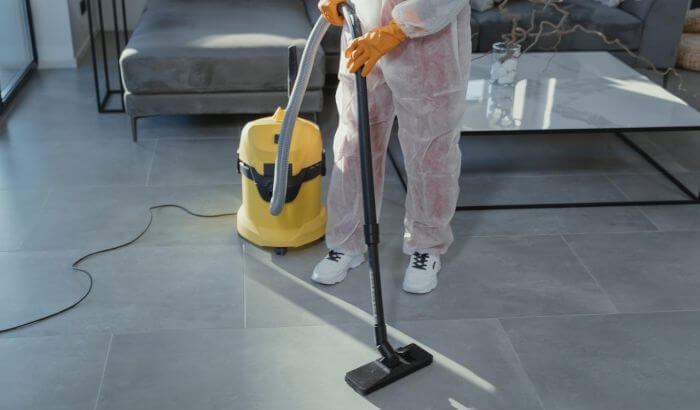
How often should a cleaner come depends on how fast your home stops feeling manageable between visits. Weekly cleaning suits busy homes, families, pets, shared flats and heavy kitchen or bathroom use. Fortnightly cleaning works when you keep up with daily tidying and mainly need help with floors, dust, bathrooms and kitchen surfaces. Monthly cleaning is usually a reset, with limited ongoing support for a high-use London home.
Quick frequency guide
Weekly cleaning
Best for families, pets, shared homes, busy professionals and allergy-sensitive homes. It keeps kitchens, bathrooms, floors, dust and high-touch areas under regular control.
Fortnightly cleaning
Best for tidy couples, smaller flats, lighter cooking and homes where you keep up with quick tasks between visits.
Monthly cleaning
Best as a reset for low-traffic homes or people who already clean most weeks themselves.
One-off or deep clean
Best after a busy period, before guests, when moving in, or when regular upkeep has slipped.
Table of Contents
How often should a cleaner come for your home?
The simplest starting point is once a week for a busy home and once a fortnight for a tidy, lower-traffic home. The answer changes when the home has children, pets, several bathrooms, heavy cooking, hard-water limescale, lots of visitors or very little time for upkeep between visits.
A cleaner’s visit is paid time. If that time disappears into moving shoes, toys, laundry and paperwork before any cleaning starts, the home may still need more frequency, more hours or a better preparation routine. When surfaces are clear enough to clean, the same two or three hours can go much further.
Need Regular Domestic Cleaning in London?
Enter your postcode to view our rates and availability in your area.

What changes the right cleaning frequency?
Frequency is really a pressure test. A home that still feels calm two days before the next visit may be on the right schedule. A home that looks tired after four or five days usually needs either a weekly visit, a longer visit, or a lighter routine between professional cleans.
- Children or pets: floors, crumbs, bathroom marks and soft furnishings pick up soil faster, so weekly cleaning is often the better starting point.
- Two or more bathrooms: limescale, mirrors, toilets and floors need more recurring attention, especially when every bathroom is used daily.
- Heavy cooking: grease lands on splashbacks, cupboard fronts, hobs and floors, so choose a weekly kitchen focus or a longer fortnightly visit.
- Small flat with light use: less floor space and fewer surfaces slow the build-up, so fortnightly cleaning can be enough.
- Cluttered rooms: cleaning time is lost moving items before surfaces can be cleaned, so declutter first, then choose hours and frequency.
- Dust or allergy concerns: dust returns fastest on floors, textiles, shelves and high-touch areas, which usually makes weekly support easier to maintain.
Weekly vs fortnightly cleaning: which is better?
Weekly cleaning is better when the home gets used hard and you want cleaning to prevent build-up. Fortnightly cleaning is better when the home is already kept reasonably tidy and you want help with the heavier routine tasks every two weeks. If the pattern keeps slipping because work and family life crowd out small chores, use a simple busy-schedule cleaning routine between cleaner visits.
- Choose weekly cleaning when the kitchen, bathroom or floors look ready for attention within a week. The main advantage is less catch-up work, easier task rotation and a steadier home rhythm.
- Choose fortnightly cleaning when you tidy daily and mainly need the heavier cleaning lifted from your week. It can balance help and budget well, but more cleaning still sits with you between visits.
- Use an alternating focus when the home is mostly maintained but certain rooms need deeper attention. One visit can focus on bathrooms and kitchen, the next on dust and floors.
If you are unsure, start with a weekly visit for the first month, then adjust. That first month shows how much cleaning time is lost to preparation, which rooms get dirty fastest and whether the same result could be maintained every two weeks.
You may also enjoy:


Is two hours a week enough for a cleaner?
Two hours a week can be enough for a small, tidy flat or a focused clean in a larger home. It is rarely enough for a full family house if the cleaner has to tidy first, change several beds, clean multiple bathrooms, do laundry tasks and cover every floor in the same visit.
- 2 hours: realistic for a small flat, one bathroom, clear surfaces and a focused kitchen and bathroom clean. Floors, dusting or task rotation may be rushed if the list is too long.
- 3 hours: realistic for a typical flat or small house with kitchen, bathroom, floors and dusting. Deeper tasks still need rotating.
- 4+ hours: realistic for larger homes, several bathrooms, pets, children or heavier weekly use. This gives better coverage when priorities are agreed before the visit.
- Team visit: useful when access time is limited and more work must be done in one window, but the scope needs to be clear before the visit.
The cleaner’s time should be matched to the job, with enough room for the result you expect. If the priority is bathrooms and kitchen hygiene, say that first. If the priority is floors and dust because a child has allergies, that changes the visit plan. The right frequency is easier to choose once the hours are honest.
What should you do between cleaner visits?
A regular cleaner can keep the heavier routine under control. The home still needs small daily actions between visits. Dishes, fresh spills, laundry decisions, food waste, pet mess and personal clutter usually need handling before they turn paid cleaning time into tidying time.
- Clear floors enough for hoovering and mopping.
- Move personal items from bathroom and kitchen counters.
- Put clean bedding out if changing beds is part of the agreed visit.
- Tell the cleaner which room matters most if time runs short.
- Keep urgent spills and food mess from sitting until the next visit.
Preparation gives the cleaner more of the booked time for the work you are paying for: bathrooms, kitchen, dust, floors, high-touch areas and the recurring tasks that make the home feel easier to live in. A quick living-room reset can also stop dust and floor work from falling behind; this living room cleaning routine shows the type of light upkeep that helps between visits.
Is monthly cleaning enough?
Monthly cleaning is enough only when the home is already maintained between visits. For many busy homes, a monthly cleaner becomes a catch-up clean. The visit has to remove several weeks of dust, bathroom marks, kitchen grease and floor soil before it can feel like a proper reset.
Monthly cleaning can still work well for a tidy person who wants a deeper reset, a low-use flat, a guest room that sees occasional use, or a home that needs help after a busy period. If the home feels dirty most of the month, fortnightly or weekly cleaning will usually be more practical.
How Samyx Cleaning Can Help with regular visits
Regular cleaning becomes the easier route when the home keeps pulling time from the rest of your week. Bathrooms need attention before guests arrive, the kitchen floor never stays clear, dust returns quickly, or the weekend starts with chores instead of rest. At that point, a planned schedule is usually calmer than repeated catch-up cleans.
Samyx Cleaning provides regular domestic cleaning in London for homes that need weekly or fortnightly help. The sensible approach is to start with the frequency and hours that match the current workload, then adjust once the first few visits show what the home actually needs. If you are still comparing providers, use these questions to ask a cleaning company before you commit to a recurring slot.
The service supports the home you live in and the level of help you actually need. A small flat with one bathroom may need less than a family home with pets, children, heavy cooking and several high-use rooms.
Need Regular Domestic Cleaning in London?
Enter your postcode to view our rates and availability in your area.
Frequently asked questions
-
Is 2 hours a week enough for a cleaner?
Two hours a week can be enough for a small, tidy flat with clear surfaces and one bathroom. A larger home, several bathrooms, pets or laundry tasks usually need either more time or a tighter priority list.
-
Is cleaning every 2 weeks enough?
Cleaning every 2 weeks can be enough when you keep up with dishes, spills, clutter, quick bathroom wipe-downs and light hoovering between visits. If the home feels dirty after a few days, weekly cleaning is a better starting point.
-
Should you leave when a cleaner comes?
You can stay home while a cleaner works. The visit works best when the cleaner has clear access to the rooms and surfaces agreed for that day. If you work from home, agree the room order before the clean starts.
Author: Svetlana Georgieva (Clara)
Hi, I’m Svetlana Georgieva, but you can call me Clara. As the co-founder and heart behind Samyx Cleaning, I’m devoted to sharing the art of a clean space. Let’s journey into a cleaner, more joyful life together with tips from London's cleaning experts.

Discover more of our cleaning secrets: